CM Himanta Launches Assam Premier League T20 Cricket
Synopsis
Chief Minister Himanta Biswa Sarma launched the Assam Premier League on June 21, 2026 — the state's largest franchise-based T20 tournament. The APL unveiled its logo, team identities, and trophy, aiming to build structured pathways for emerging cricketers and raise Assam's profile in Indian domestic cricket.
Key Takeaways
Chief Minister Himanta Biswa Sarma officially launched the Assam Premier League (APL) on June 21, 2026 .
The APL is described as Assam's largest-ever franchise-based T20 cricket tournament .
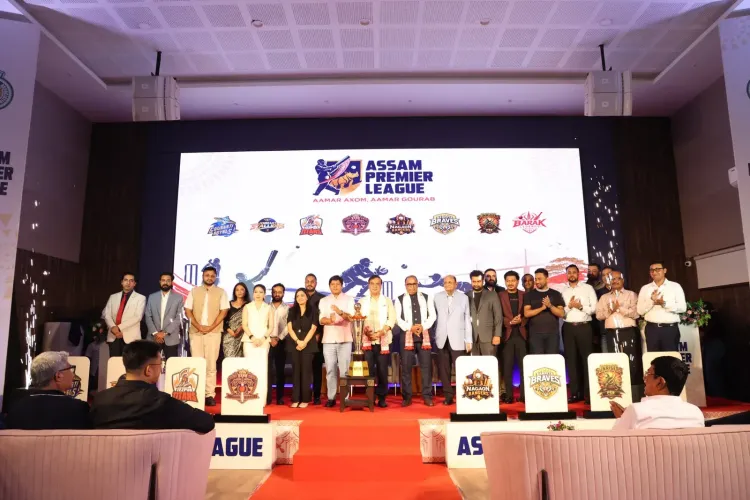
The launch event unveiled the league's official logo, team identities, and trophy .
The APL is designed to create structured pathways for emerging cricketers in Assam and elevate the state's national cricket profile.
The league fits a broader national pattern of state-level franchise T20 tournaments that have grown since the mid-2010s to develop regional talent below the IPL level.
Key details including franchise ownership, player draft process, and broadcast arrangements are yet to be publicly announced.
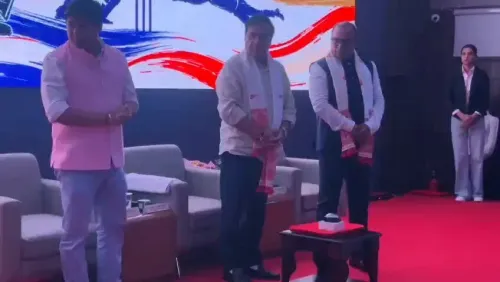
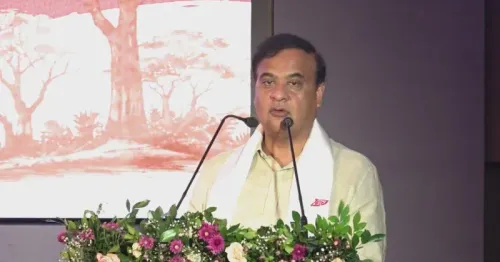
The Chief Minister's Office of Assam announced on Sunday, June 21, 2026, that Chief Minister Dr. Himanta Biswa Sarma officially launched the Assam Premier League (APL), the state's largest-ever franchise-based T20 cricket tournament, unveiling its official logo, team identities, and trophy at the launch event.
Context
The APL marks a significant step for cricket in Assam, a northeastern state that has long sought greater visibility in Indian domestic cricket beyond its Ranji Trophy participation. The launch event saw CM Himanta Biswa Sarma unveil the tournament's visual identity — including team franchises, an official logo, and the APL trophy — signalling the league's intent to operate as a professionally structured competition. The Chief Minister's Office described the APL as 'a game-changing platform for emerging talent' that will bring 'Assam's cricketing aspirations to the national spotlight.'
Policy Backdrop
The franchise T20 model that the APL adopts was established nationally when the Indian Premier League launched in 2008, creating a blueprint that state-level bodies have since replicated to build regional talent pipelines. Since the mid-2010s, multiple Indian states have introduced similar professional franchise cricket leagues, combining private investment in team ownership with state government support for infrastructure and grassroots development. Assam, historically outside the dominant centres of Indian cricket, is now aligning itself with this broader national pattern of using structured T20 competition to accelerate talent identification.
The Assam Cricket Association (ACA), the state body affiliated with the BCCI, is the administrative backbone for cricket in the state and is expected to play a central role in the APL's operations. CM Himanta Biswa Sarma, who has held senior ministerial roles including Health and Education since before becoming Chief Minister in May 2021, has consistently championed sports and youth development as part of the state's governance agenda.
Stakeholders and Impact
The primary beneficiaries of the APL are expected to be emerging cricketers across Assam who currently have limited structured pathways between school-level cricket and the national domestic circuit. A franchise-based format creates visible, competitive opportunities that can attract scouts, broadcasters, and private sponsors — all of which contribute to professionalising the sport at the state level. The league is also positioned to stimulate a broader sports ecosystem, potentially generating economic activity around venues, coaching, and sports tourism within the state.
For the Assam Cricket Association, the APL represents an opportunity to strengthen its institutional standing and demonstrate the state's capacity to host and manage a large-scale professional tournament. Franchise owners, once announced, will bring private capital into Assam's cricket infrastructure, a model that has proven effective in other states in sustaining league operations beyond initial government support.
What's Next
Key details that will define the APL's first season include the scheduling and format of matches, the player draft or auction process, and any broadcast or streaming arrangements that determine how widely the league is seen. Recognition or a formal relationship with the BCCI will be critical to the league's credibility and to ensuring that APL performances count toward players' domestic records. If the APL succeeds in its first edition, it could position Assam as a model for northeastern states looking to develop their own structured cricket competitions, amplifying the region's presence in Indian sport at the national level.
Point of View
The state government is attempting to attract private capital and broadcast attention to a region that has historically struggled for visibility in national cricket conversations. The move also reflects a wider trend of state governments treating professional sports leagues as tools for youth engagement and soft-power projection, particularly in electorally significant demographics. Whether the APL can sustain itself beyond an inaugural season will depend heavily on BCCI alignment and the quality of franchise investment it attracts.
NationPress
21 Jun 2026
Frequently Asked Questions
What is the Assam Premier League (APL)?
The Assam Premier League is a franchise-based T20 cricket tournament launched by the Government of Assam, described as the state's largest-ever domestic cricket competition, designed to provide structured opportunities for emerging cricketers.
Who launched the Assam Premier League?
Chief Minister Dr. Himanta Biswa Sarma launched the Assam Premier League on June 21, 2026, unveiling its official logo, team identities, and trophy at the launch event.
How is the APL different from the Ranji Trophy for Assam cricketers?
The Ranji Trophy is a national red-ball competition organised by the BCCI, while the APL is a state-level franchise T20 league that offers a shorter, more commercially structured format aimed at talent identification and professional exposure within Assam.
Which body will oversee the Assam Premier League?
The Assam Cricket Association, the BCCI-affiliated state body responsible for cricket administration in Assam, is expected to play a central role in overseeing the APL's operations.
When will the first season of the Assam Premier League be played?
The scheduling and format of the first APL season have not yet been officially announced; the June 21 event focused on the league's launch and visual identity reveal.