CM Dhami Highlights Uttarakhand's Aviation Leap Under UDAN
Synopsis
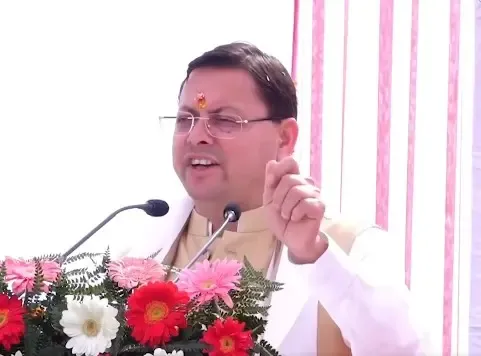
Uttarakhand CM Pushkar Singh Dhami on 21 June 2026 credited the BJP's 'double engine government' for expanding helicopter services, developing new heliports, and implementing the UDAN scheme, linking improved air connectivity to growth in tourism, trade, and remote-area access across the hill state.
Key Takeaways
CM Pushkar Singh Dhami posted on 21 June 2026 highlighting expanded air connectivity in Uttarakhand .
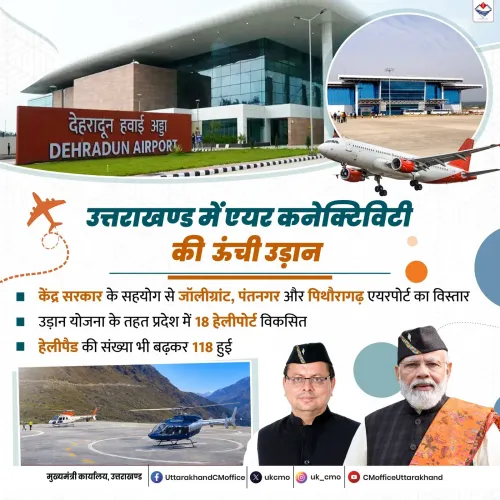
The state government cited growth in helicopter services and development of new heliports as key achievements.
The UDAN (Ude Desh ka Aam Nagrik) scheme, launched in 2016 , underpins the regional connectivity push in hilly and remote areas.
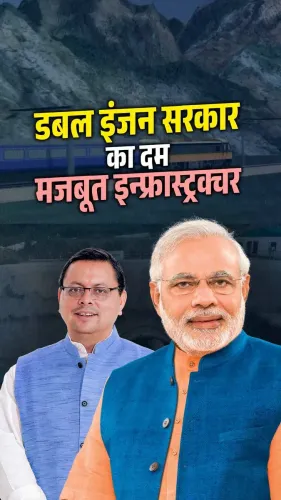
Dhami credited the 'double engine government' — aligned BJP administrations at the Centre and state — for the progress.
Improved air links are expected to boost tourism, local trade, and emergency access in remote Uttarakhand districts.
Further UDAN bidding rounds and state budget allocations for aviation infrastructure remain key items to watch.
Uttarakhand Chief Minister Pushkar Singh Dhami on Sunday, 21 June 2026 credited the Centre-state partnership under Prime Minister Narendra Modi for a significant expansion of air connectivity across the hill state, pointing to the growth of helicopter services, new heliport development, and the implementation of the Regional Connectivity Scheme (UDAN) as key drivers of improved access for remote communities.
Context
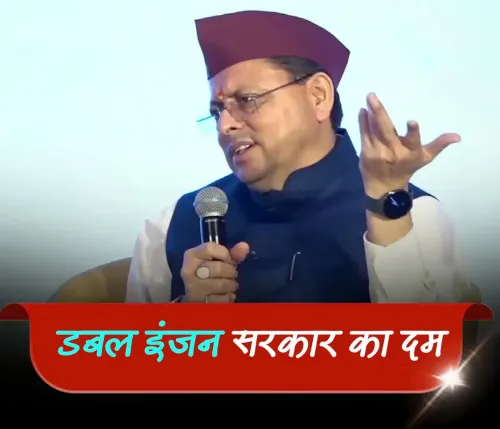
Posting on X, Chief Minister Dhami wrote — 'हवाई कनेक्टिविटी को मिले नए पंख' ('Air connectivity gets new wings') — describing how the 'double engine government', a phrase the BJP uses to denote aligned ruling parties at the Centre and in the state, has given Uttarakhand a 'new flight' in the aviation sector. He stated that expansion of heli services, development of new heliports, and effective implementation of the regional connectivity scheme are now delivering fast, safe, and convenient travel even to the most distant parts of the state.
The post was accompanied by a video and comes as aviation infrastructure in hilly states has emerged as a recurring policy theme for the ruling dispensation at both levels of government.
Policy Backdrop
The UDAN (Ude Desh ka Aam Nagrik) scheme was launched by the Central government in 2016 with the stated aim of making air travel affordable and accessible in underserved regions. Successive rounds of the scheme have specifically prioritised helicopter routes and small airport development in terrain-challenged states such as Uttarakhand, Himachal Pradesh, and states of the Northeast, where road connectivity remains seasonal and unreliable.
For Uttarakhand in particular, helicopter links carry significance beyond convenience — they are critical to pilgrimage circuits such as the Char Dham Yatra, emergency medical evacuations, and supply chains to border villages. The state's mountainous geography makes surface transport both slow and vulnerable to weather disruptions, elevating the strategic value of air access.
Stakeholders and Impact
Chief Minister Dhami explicitly linked expanded air connectivity to growth in tourism, trade, and the local economy, asserting that remote communities are now benefiting from faster and safer movement. The tourism industry — a mainstay of Uttarakhand's economy — stands to gain directly, as improved heli access reduces travel time to high-altitude destinations and religious sites that attract millions of visitors annually.
Local traders and small businesses in remote districts also stand to benefit from reduced logistics costs and better market access. For residents of far-flung villages, particularly in border areas, reliable air links can mean the difference between timely medical care and critical delays.
What's Next
Further rounds of UDAN bidding are expected to add new helicopter routes and upgrade existing helipads across the state. Observers will watch whether the Uttarakhand state budget reflects dedicated allocations for aviation infrastructure in the coming fiscal cycle, and whether newly developed heliports translate into sustained commercial and emergency operations rather than one-off launches. The broader test will be whether improved connectivity delivers measurable gains in tourist footfall and local income in the districts it is meant to serve.
Point of View
A scheme with a verifiable national track record since 2016, the statement is harder to dismiss as mere rhetoric, even if specific helipad numbers remain unverified. The emphasis on tourism and local economy signals that the BJP is positioning aviation access as an electoral asset in a state where remote-area development is a persistent voter concern. The broader pattern — similar announcements from Himachal Pradesh and Northeast states — suggests a coordinated national narrative around UDAN ahead of potential policy reviews or fresh bidding rounds.
NationPress
21 Jun 2026
Frequently Asked Questions
What is the UDAN scheme and how does it help Uttarakhand?
UDAN (Ude Desh ka Aam Nagrik) is a Central government scheme launched in 2016 to subsidise regional air routes and develop airports and helipads in underserved areas. For Uttarakhand, it has enabled helicopter services to remote and high-altitude locations that are difficult to reach by road.
What did CM Dhami say about air connectivity in Uttarakhand?
CM Pushkar Singh Dhami stated on 21 June 2026 that the 'double engine government' under PM Narendra Modi has expanded helicopter services, developed new heliports, and effectively implemented the Regional Connectivity Scheme, providing fast and safe travel even to remote areas of the state.
What is the 'double engine government' that CM Dhami referred to?
'Double engine government' is a BJP phrase describing a situation where the same party governs both at the Centre and in a state, implying smoother policy coordination and faster implementation of central schemes at the state level.
How does better air connectivity benefit Uttarakhand's economy?
Improved helicopter and air services boost tourism by reducing travel time to pilgrimage and high-altitude destinations, lower logistics costs for local traders, and enable faster emergency medical access in remote districts, all of which contribute to local economic activity.
Which other states have benefited from UDAN helicopter routes?
Besides Uttarakhand, states such as Himachal Pradesh and several Northeast Indian states have been prioritised under successive UDAN rounds for helicopter route development, given their challenging terrain and limited road connectivity.