CM Tamang Launches Women-Only Pink City Runner Bus Sewa
Synopsis
Sikkim Chief Minister Prem Singh Tamang witnessed President Droupadi Murmu flag off the Pink City Runner — Aama Didi Bahini Bus Sewa on 27 May 2026. The all-women-staffed public bus service aims to provide safe, affordable transport for women commuters and formal employment for women in the transport sector.
Key Takeaways
The Pink City Runner — Aama Didi Bahini Bus Sewa was launched on 27 May 2026 by President Droupadi Murmu .
Governor Om Prakash Mathur was present at the flagging-off ceremony alongside CM Prem Singh Tamang .
The service is operated entirely by women staff , making it a dual-purpose initiative: safe commuting and women's employment.
The initiative is framed around three pillars — women's safety, empowerment, and accessible public transportation .
The launch fits a national pattern of gender-focused 'pink' bus services that gained momentum after 2012 .
Future route expansion and potential linkage with central electric-bus programmes remain key developments to watch.
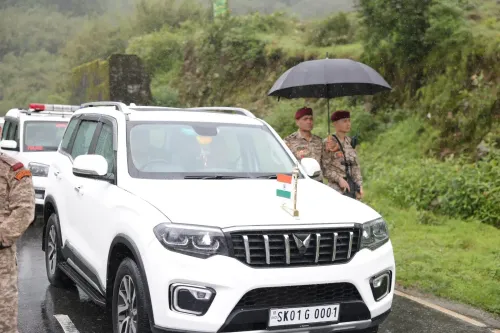
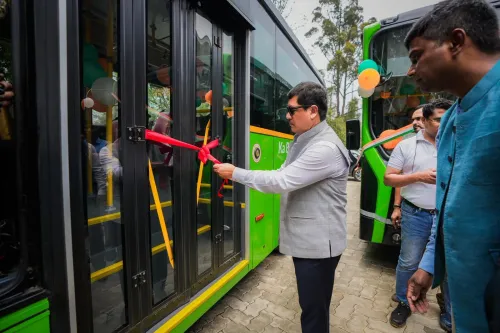
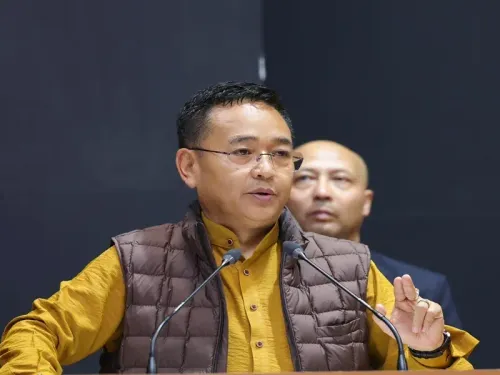
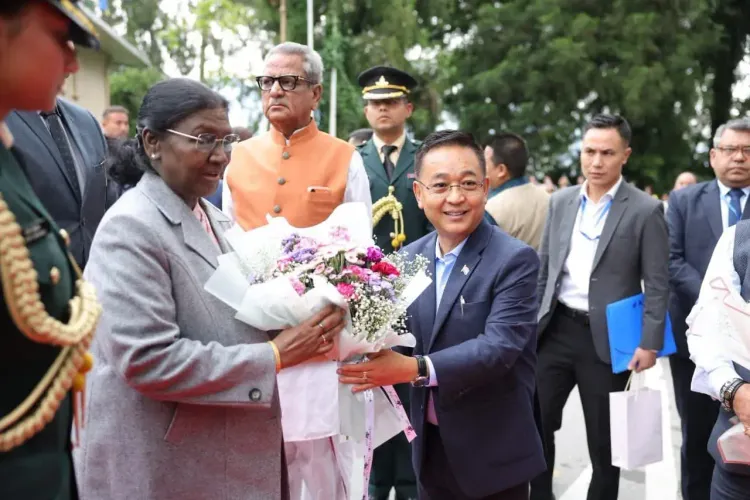
Sikkim Chief Minister Prem Singh Tamang on Wednesday, 27 May 2026, witnessed the launch and flagging off of the Pink City Runner — Aama Didi Bahini Bus Sewa, a women-staffed public bus service, by President of India Droupadi Murmu in the presence of Governor Om Prakash Mathur.
Context
Taking to social media, CM Tamang described the occasion as 'a proud moment,' noting that the service was flagged off by the President in the 'gracious presence' of the Governor. The initiative, whose name translates loosely as Aama Didi Bahini ('Mother, Elder Sister, Younger Sister'), is operated entirely by women staff and is designed to offer a safe, comfortable, and affordable travel experience for women commuters.
The service represents a formal state commitment to gender-sensitive public transport, combining symbolic leadership — with the country's top constitutional authority presiding over the launch — with on-ground operational design centred on women's workforce participation.
Policy Backdrop
The Aama Didi Bahini Bus Sewa is part of a broader national pattern in which Indian states have progressively introduced gender-focused public transport measures. Following heightened public concern over women's safety in the years after 2012, several states launched women-only or women-staffed 'pink' bus services as part of wider urban-mobility and empowerment policies.
Sikkim, India's first fully organic state and a Himalayan territory known for its social-welfare orientation, has consistently positioned such schemes within a framework of inclusive governance. The 'Pink City Runner' branding signals alignment with that wider national vocabulary of women-centric transport, while the name Aama Didi Bahini grounds it in a distinctly local, community-resonant identity.
Analysts watching the sector will note potential future linkages with central programmes promoting electric fleet deployment, which could extend the service's reach and sustainability profile.
Stakeholders and Impact
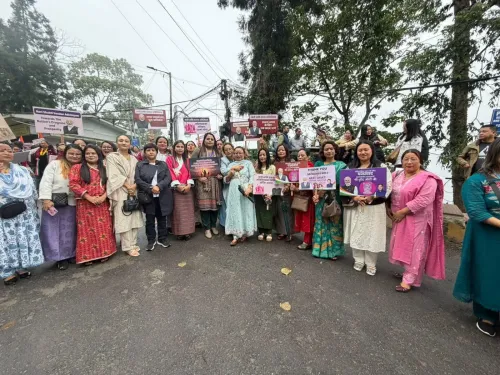
The most immediate beneficiaries are women commuters who will gain access to a dedicated, staffed-by-women travel option, addressing longstanding concerns about safety and comfort on shared public transport. Equally, the scheme creates formal employment pathways for women in the transport sector, a domain historically dominated by male workers.
The presence of President Murmu — herself the first person from a tribal community to hold India's highest constitutional office — lends the launch a resonance that extends beyond the state. Her participation underscores the alignment of the initiative with national priorities around tribal and women's empowerment.
What's Next
The immediate question is one of scale: how many routes the Pink City Runner will cover at launch, and the pace at which the network expands across Sikkim. State authorities and women's-welfare advocates will watch whether the service integrates with existing feeder networks and whether the all-women staffing model is maintained as the fleet grows.
Longer term, the Aama Didi Bahini Bus Sewa could serve as a template for other small Himalayan and northeastern states seeking to combine gender-inclusive employment with improved public mobility — particularly if the model attracts central funding or partnership with electric-bus programmes. CM Tamang's government has signalled that this launch is a marker of political commitment, not a one-off event.
Point of View
Distinguishing it from generic 'pink bus' rollouts elsewhere. The dual focus on women as both beneficiaries and service providers signals a shift from passive welfare to active workforce inclusion, a framing that resonates with central government priorities. Whether the model sustains beyond the launch optics will depend on route coverage, staffing retention, and fleet investment — the harder metrics that follow any high-profile flagging-off.
NationPress
22 Sept 2026
Frequently Asked Questions
What is the Pink City Runner Aama Didi Bahini Bus Sewa in Sikkim?
It is a public bus service in Sikkim operated entirely by women staff, launched on 27 May 2026 by President Droupadi Murmu. It is designed to provide safe, comfortable, and affordable travel for women commuters while also creating employment for women in the transport sector.
Who launched the Aama Didi Bahini Bus Sewa?
President of India Droupadi Murmu flagged off the service. Sikkim Chief Minister Prem Singh Tamang and Governor Om Prakash Mathur were present at the ceremony.
What does 'Aama Didi Bahini' mean?
The phrase is drawn from local languages and translates roughly as 'Mother, Elder Sister, Younger Sister,' reflecting the service's focus on women commuters and women staff.
Why is a women-only bus service significant in India?
Women-only or women-staffed bus services address longstanding safety concerns on shared public transport. Several Indian states introduced such services after 2012, combining gender-safe commuting with women's employment in a sector historically dominated by men.
Will the Pink City Runner expand to more routes in Sikkim?
No official route expansion plan has been announced yet. Analysts expect the government to scale the service over time, with possible integration into central electric-bus programmes as a longer-term step.