CM Tamil Nadu pays tribute to Rettamalai Srinivasan on birth anniversary

Synopsis
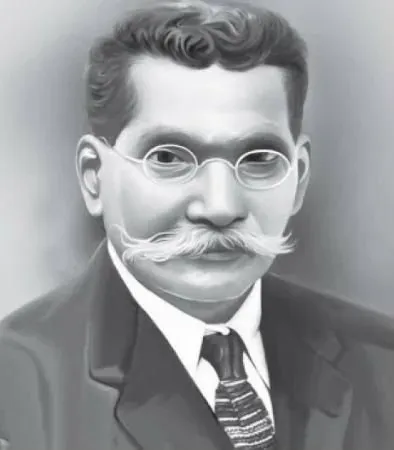
The Chief Minister's Office of Tamil Nadu paid tribute to Diwan Bahadur Dravidamani Rettamalai Srinivasan on his birth anniversary, honouring the early 20th-century social reformer who championed education, self-respect, and the rights of depressed classes, including as a signatory to the 1932 Poona Pact.
Key Takeaways
The Chief Minister's Office of Tamil Nadu paid tribute to Rettamalai Srinivasan on his birth anniversary on 7 July 2026 .
Srinivasan is described as 'a pioneer of social justice and a voice of rights for the oppressed people.' He was a delegate to the Round Table Conferences and a signatory to the Poona Pact of 1932 , which secured reserved seats for depressed classes.
The tribute calls on citizens to build 'a Tamil Nadu filled with equality and human dignity' by following his ideals.
Tamil Nadu governments have a long tradition of commemorating Dravidian and anti-caste reform icons to reinforce the state's social justice commitments.
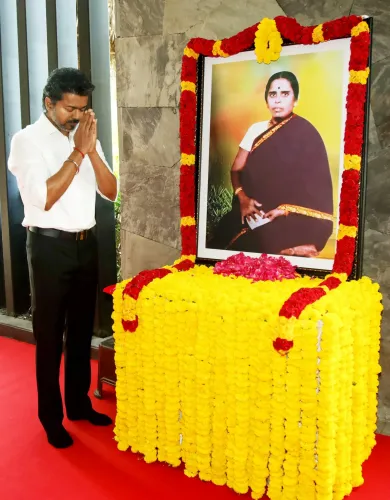
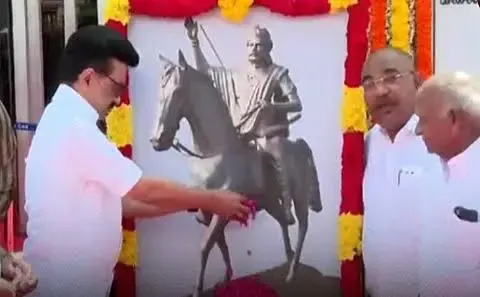
The Chief Minister's Office of Tamil Nadu on Tuesday, 7 July 2026, paid tribute to Diwan Bahadur Dravidamani Rettamalai Srinivasan on his birth anniversary, honouring the early 20th-century social reformer as a pioneering voice for the rights of oppressed communities and a champion of education, self-respect, and social justice.
Context
The post, shared on the official CMO Tamil Nadu account, describes Srinivasan as 'a pioneer of social justice and a voice of rights for the oppressed people.' The message pays homage to his contributions, stating that 'the lamp he lit for education, self-respect, equality and social justice shines as a permanent beacon guiding us across generations.' The tribute closes with a call to build 'a Tamil Nadu filled with equality and human dignity' by cherishing and following his noble ideals.
Who Was Rettamalai Srinivasan
Diwan Bahadur Dravidamani Rettamalai Srinivasan was a prominent social reformer from Tamil Nadu who dedicated his life to securing the rights, education, and political representation of the depressed classes in early 20th-century India. He earned the honorific title Dravidamani ('Gem of the Dravidians') in recognition of his tireless advocacy. Srinivasan participated in the Round Table Conferences as a delegate representing the interests of depressed-class communities, placing him at the centre of national constitutional debates of his era.
He is notably remembered as a signatory to the landmark Poona Pact of 1932, negotiated alongside Dr. B.R. Ambedkar, which secured reserved legislative seats for depressed classes within the framework of joint electorates. The Poona Pact remains a foundational moment in the history of Scheduled Caste political representation in India.
Policy Backdrop
Tamil Nadu governments have long maintained a tradition of formally commemorating icons of the Dravidian and anti-caste reform movements. Annual tributes to figures such as Srinivasan serve to reinforce the state's self-described commitment to social justice, equality, and education as core governance values. This tradition connects historical reformers directly to the state's contemporary policy narrative, presenting their legacies as living mandates rather than archived history.
The Dravidian political tradition, which has shaped Tamil Nadu's governance for decades, draws heavily on the intellectual and activist lineage of reformers who challenged caste-based discrimination in the colonial and post-colonial periods. Srinivasan's emphasis on education and self-respect aligns closely with the foundational principles of this tradition.
Stakeholders and Impact
The tribute speaks directly to communities descended from the depressed classes — today recognised as Scheduled Castes — for whom Srinivasan remains a symbol of hard-won dignity and political agency. His legacy is particularly resonant in Tamil Nadu, where caste-based social reform has historically been central to public and political life. Civil society organisations, educational institutions, and Dalit rights groups in the state regularly mark his birth anniversary with programmes and seminars.
What's Next
State-level commemorative events, public lectures, or new educational modules highlighting Srinivasan's contributions could follow in the wake of the official tribute, as has been the pattern in previous years. The government's continued emphasis on his legacy signals that social justice and equality will remain prominent themes in Tamil Nadu's public discourse. Such tributes also set the tone for broader outreach programmes aimed at communities the state identifies as historically marginalised.
Point of View
The post implicitly frames contemporary social justice policies as a continuation of that unfinished historical project. The closing call to build an equal and humane Tamil Nadu is a standard but politically potent rhetorical device in a state where caste and social justice remain live electoral issues. Such tributes also serve to consolidate support among Scheduled Caste communities by publicly affirming the state's identification with their historical champions.
NationPress
7 Jul 2026
Frequently Asked Questions
Who was Rettamalai Srinivasan?
Rettamalai Srinivasan, also known as Diwan Bahadur Dravidamani Rettamalai Srinivasan, was an early 20th-century social reformer from Tamil Nadu who fought for the education, rights, and political representation of depressed classes. He was a delegate to the Round Table Conferences and a signatory to the Poona Pact of 1932.
What is the Poona Pact and what was Rettamalai Srinivasan's role in it?
The Poona Pact of 1932 was an agreement that secured reserved legislative seats for depressed classes within joint electorates in British India. Rettamalai Srinivasan was one of its signatories, negotiating alongside Dr. B.R. Ambedkar to protect the political interests of his community.
Why does Tamil Nadu commemorate Rettamalai Srinivasan?
Tamil Nadu has a strong tradition of honouring icons of the Dravidian and anti-caste movements. Srinivasan is remembered as a pioneer of social justice, education, and self-respect for oppressed communities, values that are central to the state's political and governance identity.
What did the CMO Tamil Nadu post say about Rettamalai Srinivasan?
The CMO Tamil Nadu post described Srinivasan as a pioneer of social justice and a voice for the rights of oppressed people, saying the lamp he lit for education, self-respect, equality and social justice remains a permanent beacon across generations.
What is the significance of Rettamalai Srinivasan's birth anniversary in Tamil Nadu?
His birth anniversary is marked by official tributes and civil society events in Tamil Nadu that highlight his contributions to Dalit rights and social reform. It is an occasion for the state government to reaffirm its commitment to equality and human dignity.