CM Vijay Launches 'Singappenn' Special Strike Force for Women's Safety
Synopsis
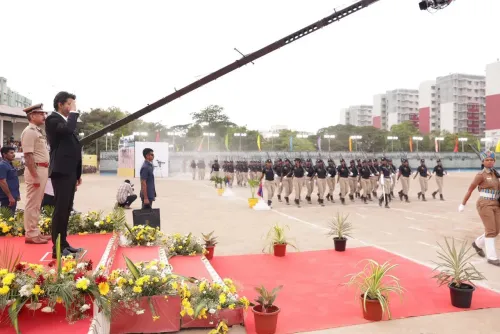
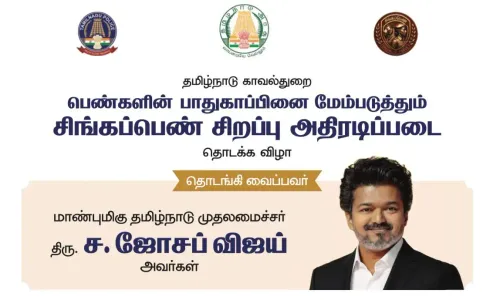
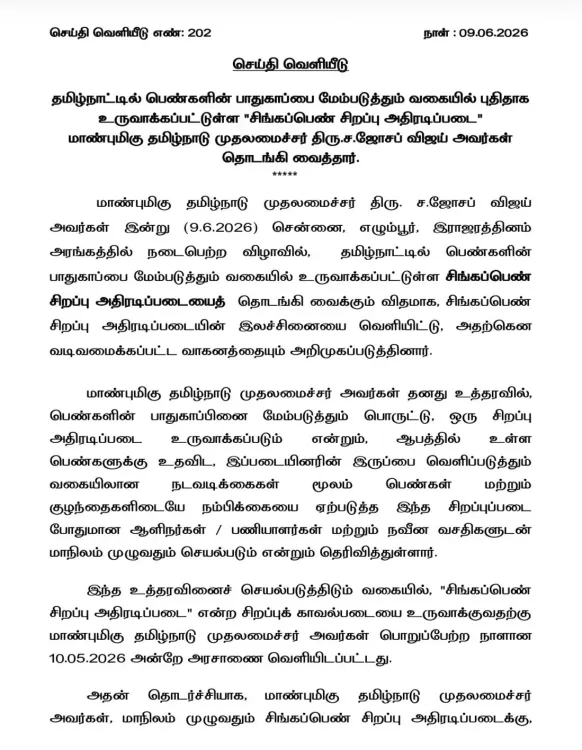
Tamil Nadu Chief Minister Joseph Vijay on 9 June 2026 launched the 'Singappenn Special Strike Force,' a newly created women's safety unit. The move extends the state's decades-long tradition of gender-focused policing, building on its pioneering all-women police station model. District-level deployment details are awaited.
Key Takeaways
Joseph Vijay launched the Singappenn Special Strike Force on 9 June 2026 .
The force is specifically designed to improve the safety of women across Tamil Nadu .
The name Singappenn translates to 'lioness woman' in Tamil, reflecting the unit's identity.
Tamil Nadu pioneered all-women police stations in India from the 1970s onward.
The force is expected to coordinate with existing infrastructure such as the 112 helpline and one-stop centres.
District-level rollout details and staffing strength are yet to be officially announced.
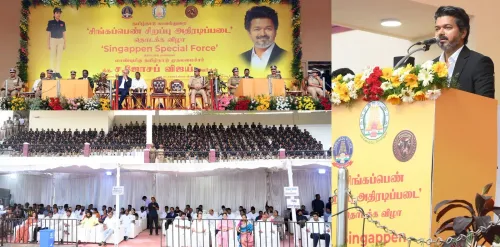
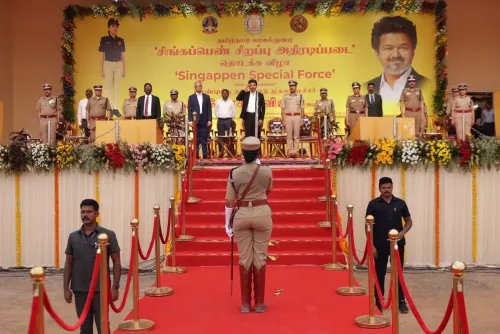
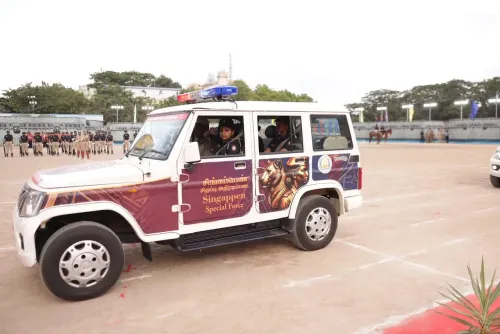
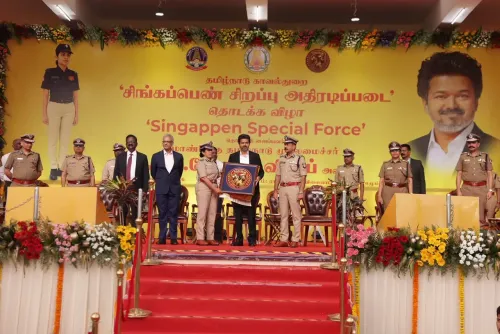
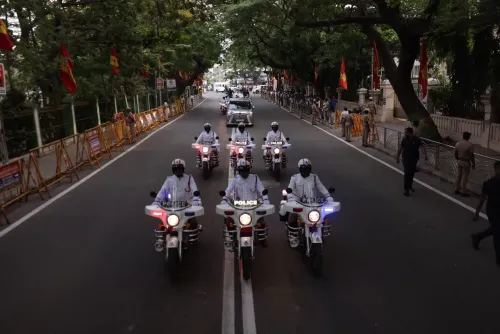
The Chief Minister's Office of Tamil Nadu announced on Tuesday, 9 June 2026, that Chief Minister C. Joseph Vijay has launched the newly formed 'Singappenn' Special Strike Force (சிங்கப்பெண் சிறப்பு அதிரடிப்படை), a dedicated unit aimed at strengthening the safety of women across the state.
Context
The Tamil Nadu Chief Minister's Office shared the announcement on social media, stating that the force was 'newly created to improve the safety of women in Tamil Nadu' and was inaugurated by Chief Minister Joseph Vijay. The name Singappenn — meaning 'lioness woman' in Tamil — signals the unit's identity as a bold, proactive mechanism for women's protection. The launch adds a new chapter to the state's long record of gender-focused policing.
Policy Backdrop
Tamil Nadu was among the first states in India to establish all-women police stations, a reform that dates to the 1970s, giving it one of the country's most established institutional frameworks for addressing crimes against women. Indian states have periodically created specialised women's safety units and rapid-response mechanisms, often drawing on central resources such as the 1091 women's helpline and projects funded through the Nirbhaya Fund. The Singappenn Strike Force appears to build on this lineage, though the precise operational structure, staffing strength, and chain of command are yet to be detailed in public communications.
Across India, high-profile incidents involving violence against women have repeatedly prompted state governments to stand up dedicated rapid-action or surveillance units. Tamil Nadu has historically positioned itself as an early adopter of such reforms, and the new force continues that pattern under the current administration.
Stakeholders and Impact
The primary beneficiaries of the Singappenn Special Strike Force are women across Tamil Nadu, particularly in districts where response times to distress calls or incidents of harassment and assault have been a concern. The state police apparatus will be the key implementing body, and the force is expected to work in coordination with existing women's helplines and one-stop crisis centres already operational in the state.
Civil society groups and women's rights organisations in the state have long advocated for faster, more visible police presence in cases involving women. A named, branded unit with a distinct identity could also serve a deterrence function, signalling institutional commitment to enforcement.
What's Next
Attention will now turn to the district-level rollout of the new force and whether it will be integrated with existing emergency response infrastructure, including the 112 emergency helpline and one-stop centres under centrally sponsored schemes. The government is expected to release further operational details, including deployment strength and jurisdiction, in the coming days. The effectiveness of the force will ultimately be measured by response metrics and crime-against-women data tracked by the state police.
Point of View
Symbolically charged move by the Vijay administration to assert a strong stance on women's safety early in its tenure. By branding the unit with a distinctly Tamil name evoking feminine strength, the government is making a cultural and political statement alongside the operational one. Tamil Nadu's established institutional memory in gender-focused policing gives the new force a credible foundation to build on, but the real test will be in resourcing, training, and accountability mechanisms. If integrated effectively with existing helplines and crisis centres, the unit could set a template that other states look to replicate.
NationPress
24 Oct 2026
Frequently Asked Questions
What is the Singappenn Special Strike Force in Tamil Nadu?
The Singappenn Special Strike Force is a newly created women's safety unit launched by Tamil Nadu Chief Minister C. Joseph Vijay on 9 June 2026. The name means 'lioness woman' in Tamil, and the force is designed to improve the safety of women across the state.
Who launched the Singappenn Strike Force?
Tamil Nadu Chief Minister C. Joseph Vijay inaugurated the Singappenn Special Strike Force, as announced by the Chief Minister's Office on 9 June 2026.
How does the Singappenn force relate to Tamil Nadu's existing women's safety infrastructure?
Tamil Nadu has operated all-women police stations since the 1970s and has existing infrastructure including the 112 helpline and one-stop centres. The new force is expected to work alongside these mechanisms, though integration details are yet to be announced.
What does Singappenn mean?
'Singappenn' is a Tamil word meaning 'lioness woman,' chosen to reflect the strength and proactive nature of the new women's safety unit.
What happens next after the Singappenn Strike Force launch?
The government is expected to announce district-level deployment details, staffing strength, and operational procedures. Integration with the 112 emergency helpline and centrally funded one-stop crisis centres will be closely watched.