Tamil Nadu CM Vijay moves delimitation resolution, urges 543 Lok Sabha seats freeze
Synopsis
Tamil Nadu CM C. Joseph Vijay has moved a formal legislative resolution demanding the Centre permanently freeze Lok Sabha strength at 543 seats — a direct pushback against any revival of delimitation that would penalise southern states for achieving better population control. With a failed constitutional amendment already on record from April 2026, the pressure for a rerun is real, and Tamil Nadu is now on legislative record opposing it.
Key Takeaways
Joseph Vijay moved a special resolution in the Tamil Nadu Assembly on 12 August opposing delimitation that could reduce the state's parliamentary representation.
The resolution urges the Centre to permanently freeze Lok Sabha strength at 543 seats and protect existing seat allocations among states.
A constitutional amendment Bill proposing fresh delimitation based on the 2011 Census failed in Parliament in April 2026 ; the resolution warns against any similar attempt.
The resolution also demands 33 per cent women's reservation be implemented in the 2029 Lok Sabha election based on existing constituencies.
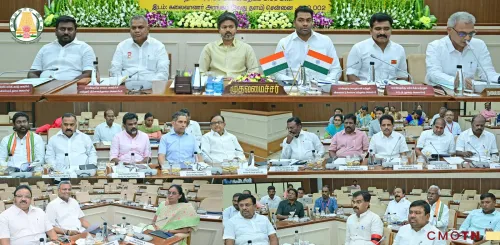
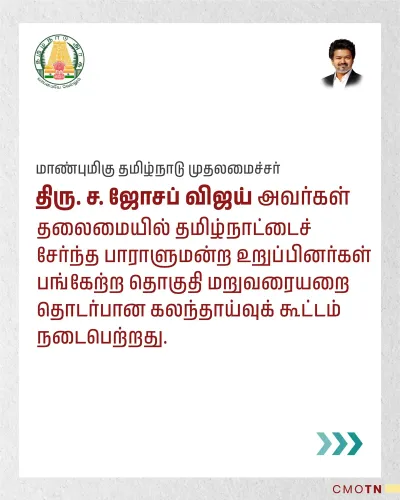
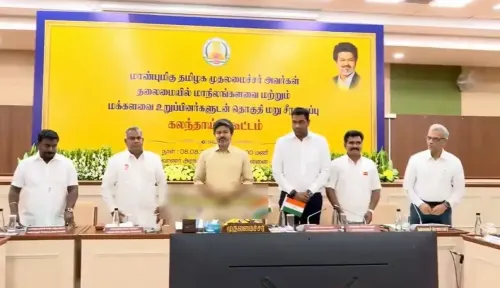
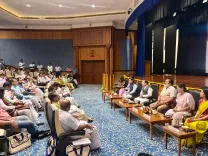
The move follows a consultative MP meeting chaired by CM Vijay in Chennai on 8 August that resolved to protect southern states' seat shares.
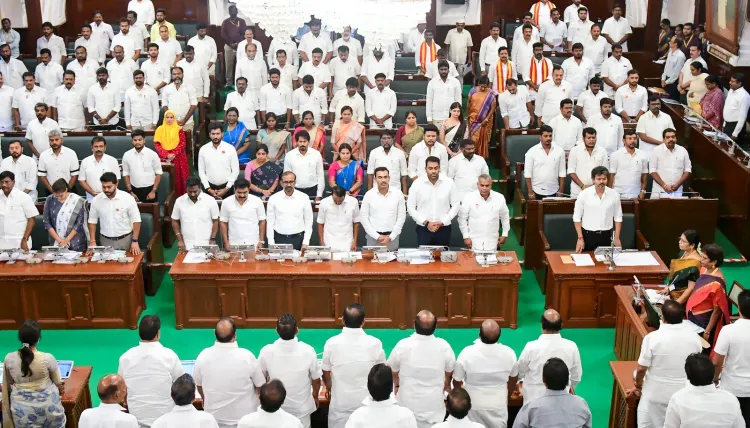
Tamil Nadu Chief Minister C. Joseph Vijay on Wednesday, 12 August moved a special resolution in the Tamil Nadu Legislative Assembly opposing any delimitation exercise that could reduce the state's proportional representation in Parliament, and urging the Centre to permanently retain the Lok Sabha strength at 543 seats. The resolution marks one of the most direct legislative challenges from a southern state against a potential federal restructuring of parliamentary representation.
What the Resolution Demands
The resolution calls on the Centre to freeze the existing allocation of Lok Sabha seats among states and Union Territories, thereby preserving their current proportional share. It also seeks to maintain the existing Lok Sabha-Rajya Sabha representation ratio and demands that the 33 per cent women's reservation be implemented in the 2029 Lok Sabha election based on the existing 543 constituencies — not a redrawn map. The Assembly is additionally expected to urge the Centre to extend one-third reservation for women to subsequent state Assembly elections.
The Delimitation Concern
The allocation of parliamentary and Assembly seats has remained tied to the 1971 Census for several decades. A constitutional amendment Bill introduced in Parliament in April 2026, which proposed ending this freeze and conducting a fresh delimitation exercise based on the 2011 Census — while substantially increasing Lok Sabha strength — failed to pass. The Tamil Nadu resolution expresses concern that a similar Bill could be reintroduced, and argues that any seat redistribution based on post-1971 population data would adversely affect southern states that achieved stronger population control.
The Southern States Argument
The resolution contends that states which successfully implemented population-control programmes — as encouraged by the Union government — while simultaneously recording economic growth and improving healthcare and welfare indicators, should not be penalised through delimitation. Tamil Nadu and other southern states have long argued that their demographic discipline, which reduced fertility rates faster than northern counterparts, now risks costing them parliamentary seats under a population-based reallocation formula.
Background and Political Context
The move follows a consultative meeting of Members of Parliament chaired by CM Vijay in Chennai on 8 August, which assessed the potential implications of delimitation for Tamil Nadu and other southern states. That meeting resolved to press for freezing the Lok Sabha at 543 seats and protecting existing seat shares. This is not the first time southern states have collectively flagged this concern — similar apprehensions were raised during the delimitation debate of 2023-24, when the 2026 constitutional freeze on seat reallocation was approaching its end. The Tamil Nadu Assembly's resolution now places the issue on formal legislative record, lending it additional political weight ahead of any future parliamentary attempt to revive delimitation.
Assembly Business
Alongside the special resolution, the House is scheduled to take up the government's response to the general discussion on the revised Budget for 2026-27 and the revised Agriculture Budget for the financial year. The delimitation resolution, however, is expected to dominate proceedings and set the political tone for the session.
Point of View
Not a reaction — the Centre has not yet reintroduced the delimitation Bill, but Chennai is clearly unwilling to wait. The southern states' core argument is structurally sound: penalising better demographic governance with fewer seats creates a perverse incentive. What the resolution does not address is the equally legitimate democratic principle that representation should track population. The real tension is between two valid constitutional values — demographic equity and proportional democracy — and a state resolution, however emphatic, cannot resolve that. The political weight of this move lies in its timing: by placing it on Assembly record now, Tamil Nadu signals it will make delimitation a defining electoral fault line well before 2029.
NationPress
12 Aug 2026
Frequently Asked Questions
What is the Tamil Nadu Assembly delimitation resolution about?
The resolution, moved by Chief Minister C. Joseph Vijay on 12 August, opposes any delimitation exercise that would reduce Tamil Nadu's proportional share of Lok Sabha seats. It urges the Centre to permanently freeze Lok Sabha strength at 543 seats and preserve existing seat allocations among states.
Why are southern states concerned about delimitation?
Southern states, including Tamil Nadu, argue that they successfully implemented population-control programmes over decades, resulting in lower fertility rates. A fresh seat allocation based on post-1971 population data would reward states with higher population growth, effectively penalising the south for its demographic discipline.
What happened to the delimitation Bill in Parliament?
A constitutional amendment Bill that proposed ending the seat-freeze and conducting fresh delimitation based on the 2011 Census — while increasing Lok Sabha strength — was introduced in Parliament but failed to pass in April 2026. The Tamil Nadu resolution warns against any similar attempt being reintroduced.
What does the resolution say about women's reservation?
The resolution demands that the 33 per cent reservation for women in Parliament be implemented in the 2029 Lok Sabha election based on the existing 543 constituencies, without waiting for a delimitation exercise. It also calls for extending one-third reservation to subsequent state Assembly elections.
What preceded the Assembly resolution?
CM Vijay chaired a consultative meeting of Members of Parliament in Chennai on 8 August, which assessed the implications of delimitation for Tamil Nadu and other southern states and resolved to press for freezing the Lok Sabha at 543 seats. The Assembly resolution formalises that position on legislative record.