CM Vishnu Deo Sai Greets Chhattisgarh on Shardiya Navratri 2026
Synopsis
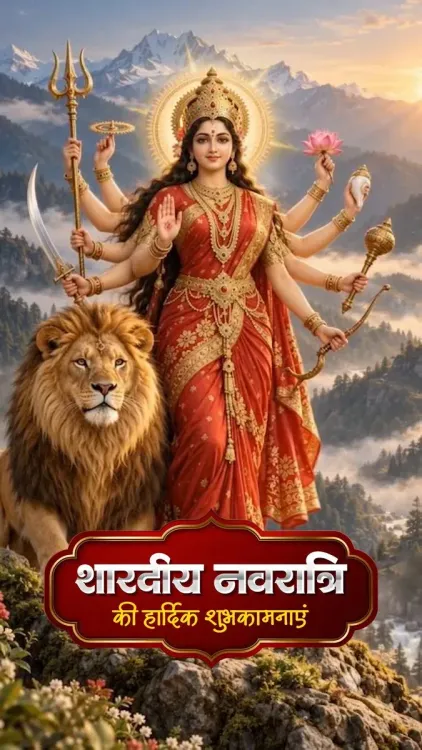
Chhattisgarh Chief Minister Vishnu Deo Sai greeted all state residents on Shardiya Navratri 2026, opening with a Sanskrit Devi shloka and praying that Maa Durga's grace bring prosperity, health, and good fortune to every household across the state.
Key Takeaways
CM Vishnu Deo Sai posted Shardiya Navratri 2026 greetings on 11 October 2026 .
The message opened with the classical Sanskrit invocation from the Devi Mahatmya , saluting nine forms of the Goddess.
Sai addressed all Chhattisgarh residents , praying for happiness, prosperity, good health, and good fortune.
The festival — Shardiya Navratri — falls in the Hindu month of Ashwin and ends on Vijayadashami (Dussehra) .
Chhattisgarh is home to several prominent Shakti shrines , making Navratri a culturally significant occasion in the state.
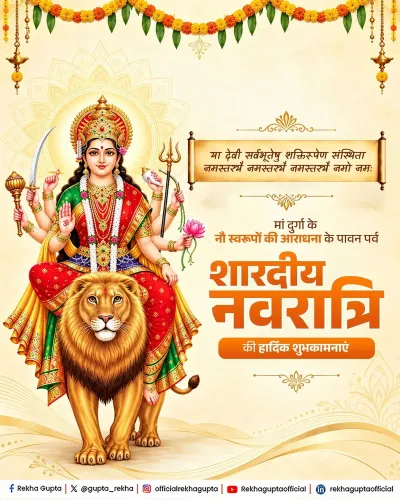
A Sanskrit shloka honouring the many forms of the Goddess opened the message — and with it, Chhattisgarh Chief Minister Vishnu Deo Sai extended warm Navratri greetings to every resident of the state on Sunday, 11 October 2026, as the nine-night festival of Shardiya Navratri got under way.
The Chief Minister began with the classical invocation — 'Om Jayanti Mangala Kali Bhadrakali Kapalini, Durga Kshama Shiva Dhatri Swaha Swadha Namo'stu Te' — a verse from the Devi Mahatmya that salutes nine attributes of the Goddess, from her fierce form as Kali to her nurturing aspect as Dhatri. It set a devotional, rather than political, register for the message.
Addressing all pradeshvasiyon (residents of the state), Sai prayed that the grace of Maa Durga bring happiness, prosperity, good health, and good fortune into every household. The festival, he noted, is a sacred occasion for the worship and devotion — aradhana aur upasana — of Maa Bhagwati Jagdamba.
Navratri's place in Chhattisgarh's cultural calendar
Shardiya Navratri — the autumn edition of the festival — falls in the Hindu lunar month of Ashwin and culminates on Vijayadashami (Dussehra), one of the most widely observed celebrations across India. In Chhattisgarh, the festival carries deep cultural resonance: the state is home to several prominent Shakti shrines, and community garba and dandiya gatherings draw participation from across districts.
For a BJP-led government, invoking the Goddess's blessing in official communication is consistent with the party's broader cultural idiom — but the message itself stays firmly in the register of a public felicitation, with no policy announcement attached.
As lamps are lit and pandals rise across Raipur and the rest of the state, Sai's message frames the nine nights ahead as a collective moment of faith — and a prayer that every citizen share in its blessings.
Point of View
Inclusive tone. For a state with a significant tribal and rural population that holds the Goddess tradition centrally, such messaging reinforces cultural continuity. It carries no immediate policy weight but contributes to the broader BJP narrative of aligning state leadership with Hindu cultural milestones.
NationPress
11 Oct 2026
Frequently Asked Questions
What did Chhattisgarh CM Vishnu Deo Sai say on Navratri 2026?
CM Vishnu Deo Sai extended warm greetings to all Chhattisgarh residents on Shardiya Navratri 2026, opened with a Sanskrit shloka honouring Maa Durga, and prayed for happiness, prosperity, health, and good fortune for every household.
When is Shardiya Navratri 2026?
Shardiya Navratri 2026 began on 11 October 2026, falling in the Hindu lunar month of Ashwin, and concludes on Vijayadashami (Dussehra).
What is the Sanskrit shloka CM Sai used in his Navratri message?
The shloka is from the Devi Mahatmya: 'Om Jayanti Mangala Kali Bhadrakali Kapalini, Durga Kshama Shiva Dhatri Swaha Swadha Namo'stu Te,' saluting nine divine attributes of the Goddess.
Who is Vishnu Deo Sai?
Vishnu Deo Sai is the Chief Minister of Chhattisgarh and a senior BJP leader, serving as the state's CM since December 2023.
How is Navratri celebrated in Chhattisgarh?
Navratri in Chhattisgarh is marked by worship at prominent Shakti shrines, community garba and dandiya gatherings, and nine nights of devotion to Maa Durga across districts.