CM Vishnu Deo Sai Greets Pilgrims as Amarnath Yatra Begins
Synopsis
Chhattisgarh Chief Minister Vishnu Deo Sai marked the commencement of the Shri Amarnath Yatra on 3 July 2026, extending heartfelt wishes to pilgrims and praying for their safety, invoking Baba Barfani's blessings with 'Har-Har Mahadev.'
Key Takeaways
Chhattisgarh CM Vishnu Deo Sai posted greetings on X as the Amarnath Yatra 2026 began on 3 July 2026 .
He described the pilgrimage as 'one of the most sacred and unforgettable experiences' for Shiva devotees.
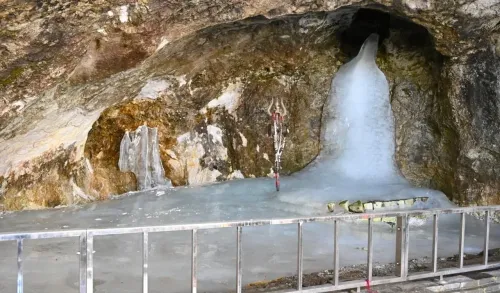
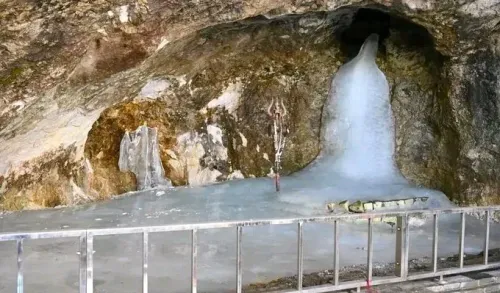
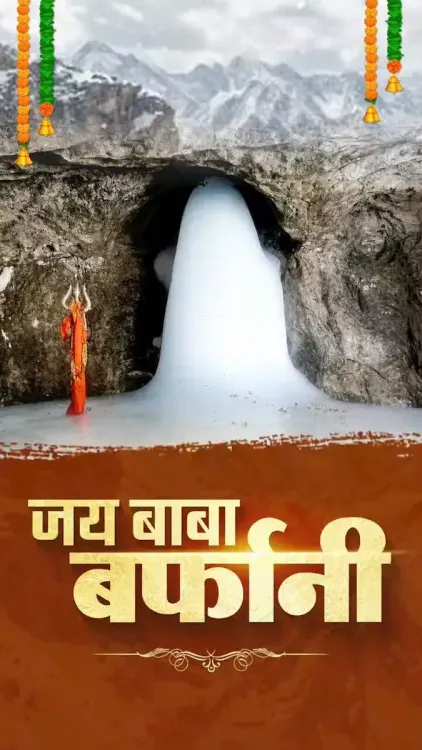
The Amarnath cave in Jammu and Kashmir , at roughly 3,888 metres , houses the naturally occurring ice lingam venerated by pilgrims.
The Shri Amarnath Shrine Board manages registration, medical aid, and security coordination for the annual pilgrimage.
Post- 2019 reorganisation of J&K , the central government expanded helicopter services and transit camps to improve pilgrim access and safety.
The yatra traditionally concludes around Raksha Bandhan in August, marking the natural cycle of the ice lingam.
Chhattisgarh Chief Minister Vishnu Deo Sai on Friday, 3 July 2026 extended greetings to pilgrims as the Shri Amarnath Yatra commenced, invoking the blessings of Baba Barfani (the ice-form deity of Lord Shiva) for a safe and successful pilgrimage for all devotees.
Context
Posting on X, Vishnu Deo Sai wrote in Hindi: 'सनातन आस्था और शिवभक्ति के पावन पर्व श्री अमरनाथ यात्रा का आज से शुभारंभ हो रहा है' — 'The sacred festival of Sanatan faith and Shiva devotion, the Shri Amarnath Yatra, begins today.' He described the opportunity to undertake the pilgrimage as 'one of the most sacred and unforgettable experiences of a Shiva devotee's life' and prayed that every pilgrim's journey be mangalmay (auspicious), safe, and successful. He closed with the traditional invocation Har-Har Mahadev.
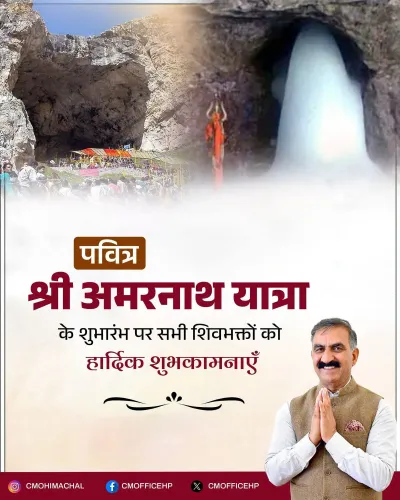
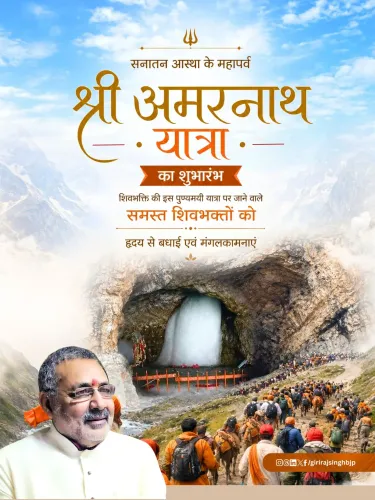
The Amarnath Yatra is an annual Hindu pilgrimage to the naturally occurring ice lingam inside the Amarnath cave in the high Himalayas of Jammu and Kashmir, traditionally conducted over two months in summer. The cave, situated at an altitude of roughly 3,888 metres, draws hundreds of thousands of pilgrims each season.
Policy Backdrop
The Shri Amarnath Shrine Board (SASB), established under a Jammu and Kashmir legislative act, oversees all logistical and security arrangements for the yatra — including pilgrim registration, medical aid, transit camps, and coordination with central security forces. The Board has operated under Supreme Court monitoring since the late 1990s, following a deadly 1996 cloudburst that killed more than 200 pilgrims.
After Jammu and Kashmir was reorganised as a Union Territory in 2019, the central government expanded helicopter services and added transit camps along the yatra routes through Anantnag and Ganderbal districts, aiming to increase pilgrim footfall and improve safety. Security deployment on the route has remained heavy, with central forces maintaining a continuous presence throughout the pilgrimage season.
Stakeholders and Impact
The pilgrimage draws Shiva devotees from across India and the diaspora, making it one of the country's largest annual religious gatherings. The local economy of Jammu and Kashmir — particularly in the districts along the two main routes, Baltal and Pahalgam — benefits significantly from the influx of pilgrims through hospitality, transport, and trade.
BJP-governed states have increasingly made it a practice for senior leaders to publicly mark the beginning of major Hindu pilgrimages. CM Sai's post reflects this broader pattern of political outreach, extending solidarity to Shiva devotees well beyond Chhattisgarh's borders. Pilgrims undertaking the yatra are required to register with the Shrine Board and carry health certificates, given the demanding high-altitude terrain.
What's Next
Attention will now turn to the Shri Amarnath Shrine Board's official figures on registered pilgrims for the 2026 season and any updated protocols on helicopter slots, transit camp capacity, or security arrangements. The yatra traditionally concludes around the Raksha Bandhan festival in August, coinciding with the natural peak and recession of the ice lingam. Authorities and devotees alike will monitor weather conditions and route safety throughout the season.
Point of View
Reinforcing the party's cultural identity well beyond their own administrative jurisdiction. The gesture carries symbolic weight at a time when the central government has made infrastructure upgrades on the Amarnath route a tangible policy commitment post-2019. For a relatively new chief minister who took office in late 2023, such messaging also serves to consolidate his standing among the party's core Hindutva voter base in Chhattisgarh. The broader pattern suggests that religious pilgrimage calendars have become as politically significant as policy announcements for BJP-governed states.
NationPress
3 Jul 2026
Frequently Asked Questions
When did the Amarnath Yatra 2026 start?
The Amarnath Yatra 2026 commenced on 3 July 2026 , as noted in Chhattisgarh CM Vishnu Deo Sai 's post on X marking the beginning of the pilgrimage.
Who is Vishnu Deo Sai?
Vishnu Deo Sai is the Chief Minister of Chhattisgarh and a senior BJP leader who assumed office in December 2023 following the party's victory in the state assembly elections.
What is Baba Barfani?
Baba Barfani literally means 'the ice deity' and is a popular name for Lord Shiva as venerated at the Amarnath cave , where a naturally occurring ice lingam forms each summer inside the cave in Jammu and Kashmir .
Who manages the Amarnath Yatra arrangements?
The Shri Amarnath Shrine Board (SASB) , established under a Jammu and Kashmir legislative act, oversees pilgrim registration, medical facilities, transit camps, and coordination with security forces for the annual yatra.
How long does the Amarnath Yatra last?
The Amarnath Yatra traditionally runs for approximately two months in summer, typically concluding around the Raksha Bandhan festival in August, coinciding with the natural peak and recession of the ice lingam .