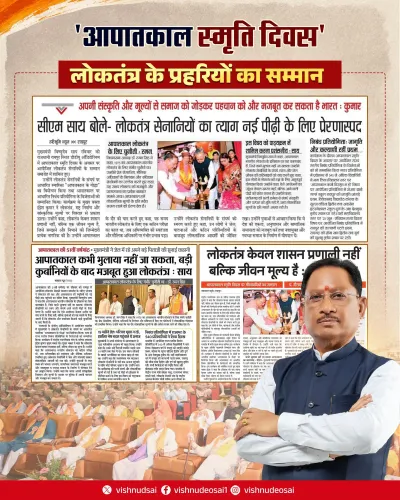
CM Vishnu Deo Sai pays tribute to Emergency-era democracy fighter Shivbalak Saw
Synopsis
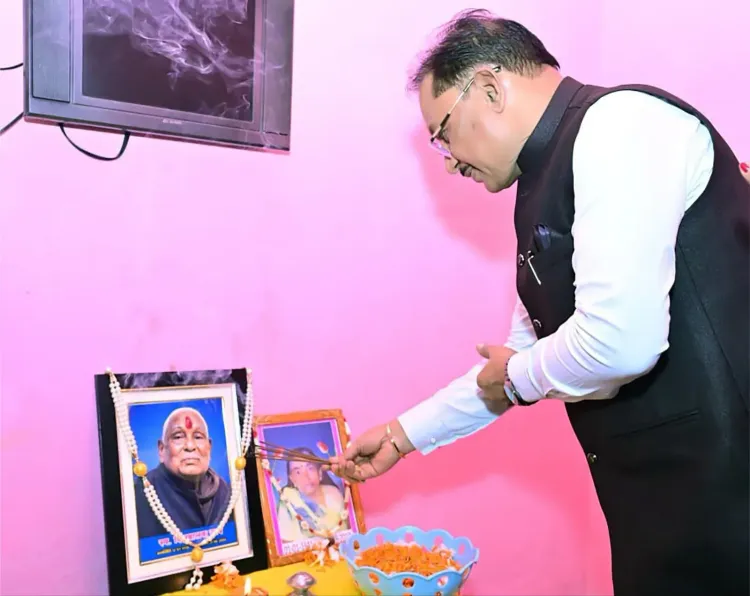
Chhattisgarh Chief Minister Vishnu Deo Sai paid a personal condolence visit to Kunkuri on 9 August 2026, honouring the late Shivbalak Saw — a democracy fighter who resisted the 1975 Emergency — and praying for strength for his grieving family.
Key Takeaways
CM Vishnu Deo Sai visited Kunkuri on 9 August 2026 to pay tribute to the late Shivbalak Saw after his passing.
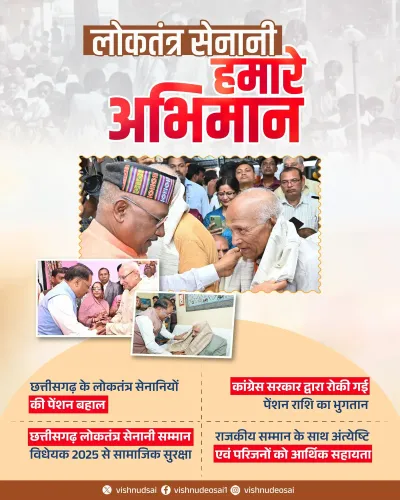
Saw is described as a loktantra senani (democracy fighter) who resisted the 1975–1977 Emergency at great personal cost.
Sai praised Saw's 'courage, sacrifice, and resolve' and said his dedication would inspire future generations.
The CM offered prayers to Lord Shri Ram for the departed soul and asked for strength for the bereaved family.
BJP leaders regularly honour Emergency-era resisters as part of the party's consistent political messaging on democratic values.
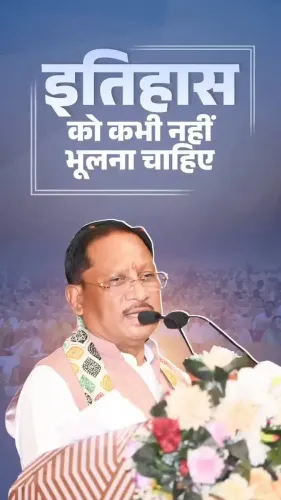
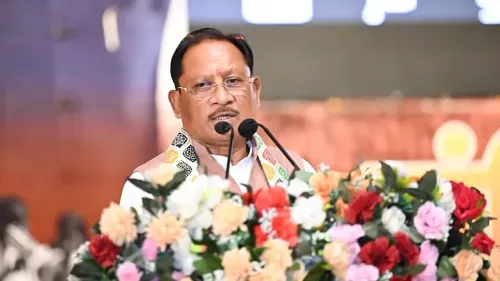
A democracy fighter who stood firm when civil liberties collapsed is being remembered in Chhattisgarh. Chief Minister Vishnu Deo Sai visited the residence of the late Shivbalak Saw in Kunkuri on Sunday, 9 August 2026, to pay his respects following Saw's passing — honouring a man who, by the Chief Minister's account, gave everything to defend democratic values during one of India's darkest constitutional chapters.
In his tribute, CM Sai wrote: 'Loktantra senani swargiya Shri Shivbalak Saw ji' — 'the late democracy fighter Shri Shivbalak Saw' — had dedicated himself entirely to protecting democratic values and the national interest during the Emergency's difficult period. 'The courage, sacrifice, and resolve with which he fought for the defence of democracy will always be remembered,' Sai said, adding that Saw's dedication would continue to inspire future generations toward democratic values and national service.
Who was Shivbalak Saw — and why the Emergency still matters
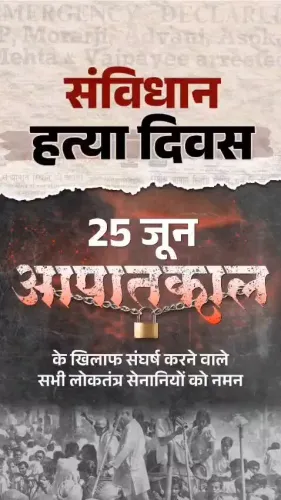
The Emergency of 1975–1977, declared by Prime Minister Indira Gandhi, suspended fundamental rights and press freedoms across India for nearly two years. Thousands were imprisoned without trial under the Maintenance of Internal Security Act. Those who resisted — ordinary citizens, activists, political workers — did so at enormous personal cost. Saw was, by all accounts in CM Sai's tribute, one such figure from Chhattisgarh's Kunkuri region.
CM Sai closed his post with a prayer: 'Prabhu Shriram se prarthana hai ki divangat aatma ko apne Shricharanon mein sthan den' — 'I pray to Lord Shri Ram to grant the departed soul a place at his feet' — and asked for strength for the grieving family. The sign-off, Om Shanti, carried the weight of a formal, solemn farewell.
BJP's long memory of Emergency resistance
Tributes to Emergency-era resisters are a consistent feature of BJP political culture. The party — and its ideological forebear, the Jana Sangh — counts the Emergency among the defining wrongs of modern Indian democracy, and its leaders regularly honour those who opposed it as a way of anchoring the party's democratic credentials. For CM Sai, a personal visit to Kunkuri rather than a remote statement signals that Saw held genuine local significance in the Jashpur region of Chhattisgarh.
Saw's family now carries both grief and a legacy that, at least in the Chief Minister's framing, belongs not just to them but to the republic's democratic memory. The fight, Sai suggested, was never personal — it was for the idea of India itself.
Point of View
Positioning the party as the natural heir of those who resisted it. As Chhattisgarh approaches its next electoral cycle, honoring local heroes of that era reinforces the BJP's narrative of democratic guardianship at the state level. The invocation of Lord Ram alongside democratic language also reflects Sai's characteristic blending of cultural and constitutional registers.
NationPress
9 Aug 2026
Frequently Asked Questions
Who was Shivbalak Saw?
Shivbalak Saw was a democracy fighter from Kunkuri, Chhattisgarh, who resisted the 1975–1977 Emergency declared by Prime Minister Indira Gandhi. Chief Minister Vishnu Deo Sai described him as someone who dedicated everything to protecting democratic values and national interest during that period.
Why did CM Vishnu Deo Sai visit Kunkuri on 9 August 2026?
CM Vishnu Deo Sai visited Kunkuri to pay personal condolences at the residence of the late Shivbalak Saw following his passing, honouring his legacy as an Emergency-era democracy fighter.
What was the Emergency period in India?
The Emergency (1975–1977) was a period when Prime Minister Indira Gandhi suspended fundamental rights and civil liberties across India. Thousands of political activists and ordinary citizens were imprisoned without trial during this time.
What is a loktantra senani?
'Loktantra senani' translates literally as 'democracy fighter' — a term used in India to honour individuals who resisted the 1975–1977 Emergency at personal risk, defending democratic rights under authoritarian conditions.
Why does BJP frequently tribute Emergency-era resisters?
The BJP and its ideological predecessors were among the political forces that opposed the Emergency. Honouring those who resisted it is a consistent part of the party's political identity, framing democratic resistance to the Congress-led government of that era as a foundational value.