CM Vishnu Deo Sai Salutes Chhattisgarh's Tribal Freedom Heroes
Synopsis
On Independence Day 2026, Chhattisgarh CM Vishnu Deo Sai honoured tribal freedom fighters Birsa Munda, Shaheed Veer Narayan Singh, and Veer Gundadhur, calling India's independence a priceless inheritance earned through their sacrifice and urging future generations toward national service.
Key Takeaways
CM Vishnu Deo Sai posted an Independence Day tribute on 15 August 2026 honouring three tribal freedom fighters.
Bhagwan Birsa Munda (revered as Dharti Aaba ) led the Munda rebellion in the Chotanagpur region in the 1890s .
Shaheed Veer Narayan Singh participated in the 1857 revolt and was executed by British authorities.
Veer Gundadhur led the Bhumkal rebellion of 1910 in Bastar against British forest exploitation policies.
CM Sai, who took office in December 2023 , belongs to a tribal community himself, adding personal resonance to the tribute.
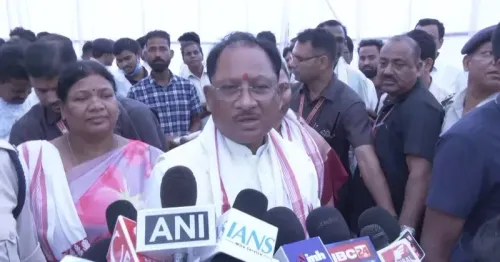
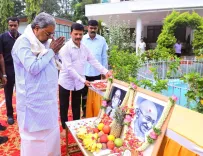
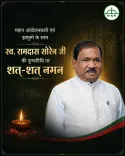
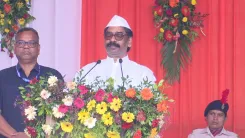
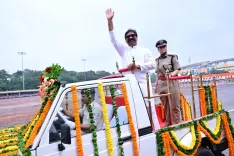
On Independence Day, 15 August 2026, Chhattisgarh Chief Minister Vishnu Deo Sai turned the national celebration toward the forest floors and rebel camps where some of India's fiercest anti-colonial battles were fought — paying solemn tribute to three tribal icons whose names resonate deeply across central India.
Posting in Hindi, CM Sai wrote: 'भारत की स्वतंत्रता असंख्य वीरों के त्याग, तपस्या और बलिदान से अर्जित अमूल्य विरासत है' — 'India's independence is a priceless inheritance earned through the sacrifice, penance, and martyrdom of countless brave souls.' He named three figures specifically: Bhagwan Birsa Munda, Shaheed Veer Narayan Singh, and Veer Gundadhur.
Three Rebels, Three Uprisings
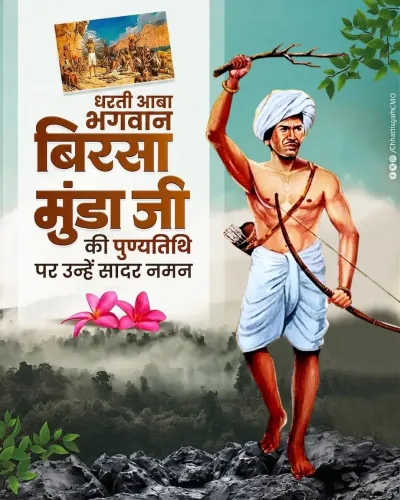
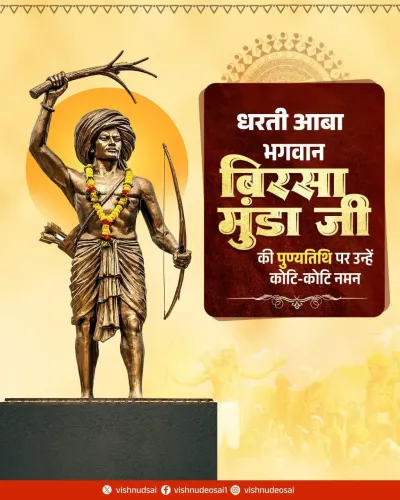
Birsa Munda — addressed in the post with the reverential title Dharti Aaba, 'Father of the Earth' — led the Munda rebellion in the Chotanagpur region during the 1890s, confronting both British land policies and the displacement of tribal communities. His image now hangs in the Central Hall of Parliament. Shaheed Veer Narayan Singh was a Chhattisgarh-born fighter who joined the 1857 revolt against British rule and was executed by colonial authorities — remembered locally as one of the region's earliest martyrs. Veer Gundadhur led the Bhumkal rebellion of 1910 in the Bastar region, a fierce uprising against British forest policies that stripped tribal communities of their traditional rights over land and produce.Why Chhattisgarh Keeps These Names Alive
Chhattisgarh is home to one of India's largest Scheduled Tribe populations, and successive state governments — across party lines — have made the commemoration of local tribal heroes a consistent feature of official discourse. The state's geography overlaps almost exactly with the territories where these rebellions unfolded, giving the tributes a specificity that generic national messaging cannot match. CM Sai, a BJP leader who took office in December 2023, himself belongs to a tribal community — a biographical fact that lends the tribute an added layer of personal resonance beyond the ceremonial. His post closed with a forward-looking note: that the struggle and sacrifice of these leaders 'will always inspire coming generations toward national service, self-respect, and dedication to the motherland.' State-level Independence Day events in Raipur and Bastar are expected to carry further commemorations of these figures through the day.Point of View
Foregrounding Chhattisgarh's tribal martyrs at a moment of national attention. For a BJP government in a state with a large Scheduled Tribe electorate, consistently naming local heroes — Birsa Munda, Veer Narayan Singh, Gundadhur — serves both historical acknowledgment and political consolidation. The tribute fits a broader pattern in which the party has sought to deepen its tribal outreach since the 2023 state election victory. The real test will be whether the rhetorical commemoration translates into policy outcomes for the communities these leaders once fought to protect.
NationPress
15 Aug 2026
Frequently Asked Questions
Who is Bhagwan Birsa Munda and why is he called Dharti Aaba?
Bhagwan Birsa Munda was a tribal leader who led the Munda rebellion against British colonial rule in the Chotanagpur region during the 1890s . He is called Dharti Aaba , meaning 'Father of the Earth,' as a mark of reverence among tribal communities across central and eastern India.
Who was Shaheed Veer Narayan Singh?
Shaheed Veer Narayan Singh was a Chhattisgarh -born freedom fighter who joined the 1857 revolt against British rule and was subsequently executed by colonial authorities, making him one of the region's earliest recognised martyrs.
What was the Bhumkal rebellion led by Veer Gundadhur?
The Bhumkal rebellion of 1910 was an armed uprising in the Bastar region of present-day Chhattisgarh , led by Veer Gundadhur against British forest policies that denied tribal communities their traditional rights over land and forest produce.
Why does Chhattisgarh place special emphasis on tribal freedom fighters?
Chhattisgarh has one of India's largest Scheduled Tribe populations, and the state's geography overlaps with the very territories where major tribal uprisings occurred. Successive state governments have made commemorating local tribal heroes a consistent feature of official Independence Day messaging.
What is Vishnu Deo Sai's background?
Vishnu Deo Sai is a BJP leader who became Chief Minister of Chhattisgarh in December 2023 . He belongs to a tribal community, which lends particular personal significance to his tributes to tribal freedom fighters.