Chhattisgarh CMO unveils statue of Birsa Munda
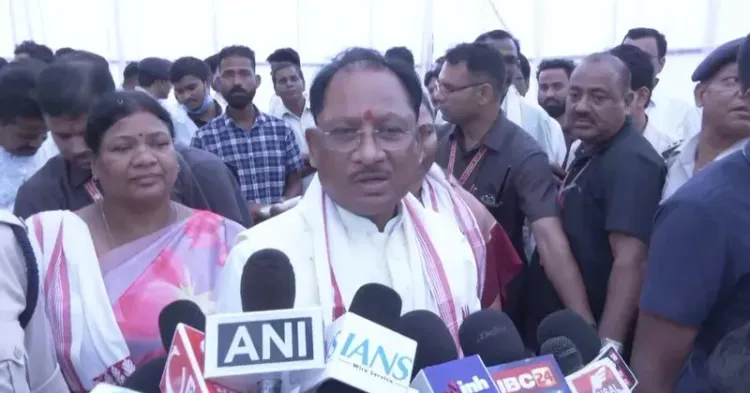
Synopsis
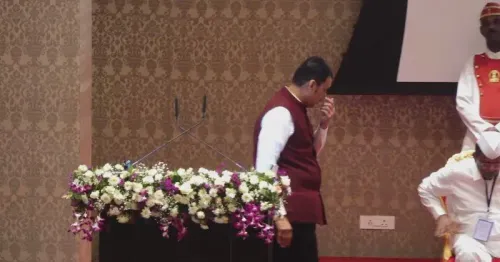
The Chhattisgarh Chief Minister's Office on 19 June 2026 shared coverage of a statue-unveiling ceremony for Birsa Munda — the revered Adivasi leader known as Dharti Aaba — broadcast live, signalling the state government's official recognition of indigenous resistance heritage.
Key Takeaways
The Chhattisgarh CMO on 19 June 2026 shared a live broadcast of a statue-unveiling ceremony for Birsa Munda .
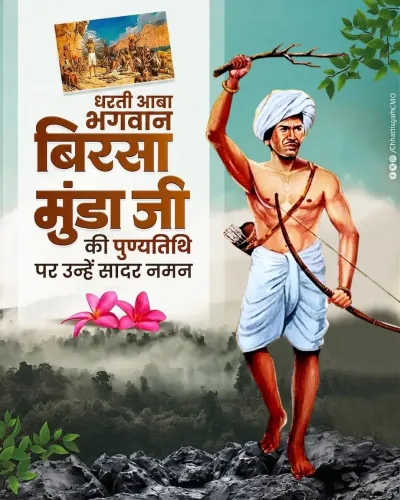
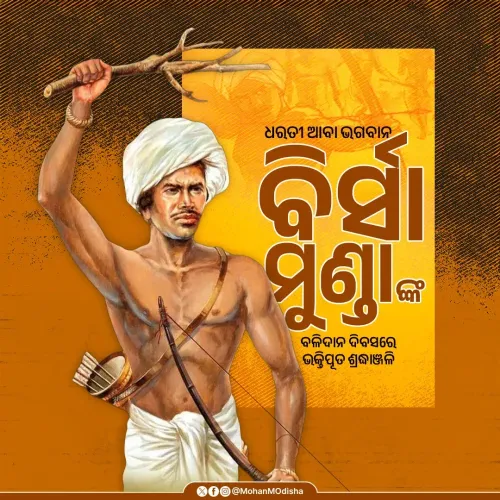
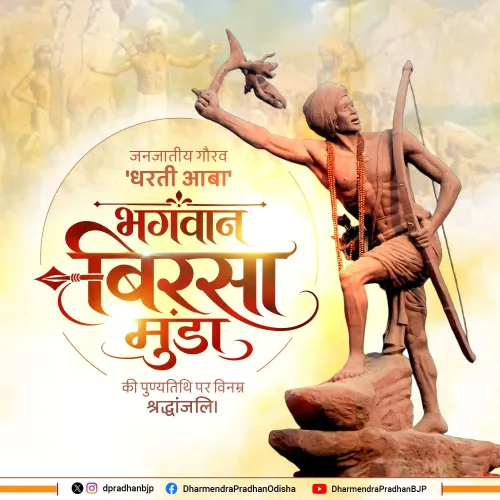
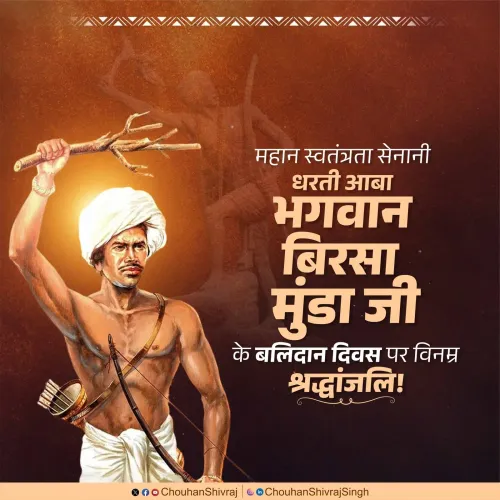
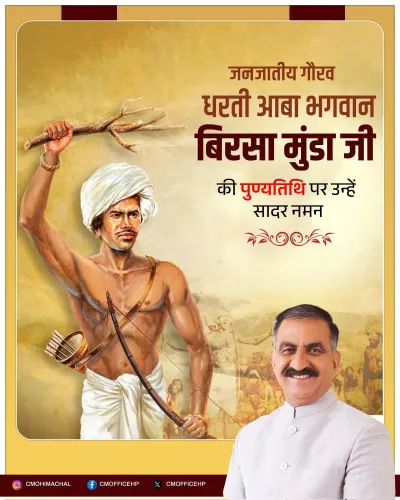
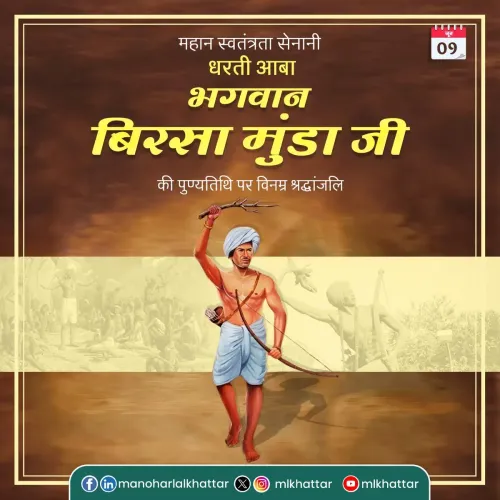
Birsa Munda , known as Dharti Aaba (God of the Earth), led the Ulgulan rebellion against British colonial rule in the Chota Nagpur plateau in the late 19th century.
Chhattisgarh has a Scheduled Tribe population of over 30 per cent , making tribal cultural recognition a key governance priority.
The Central Government designated November 15 — Birsa Munda's birth anniversary — as Janjatiya Gaurav Divas in 2021 .
State administrations across India's tribal belt regularly install statues of Adivasi icons to integrate indigenous histories into official narratives.
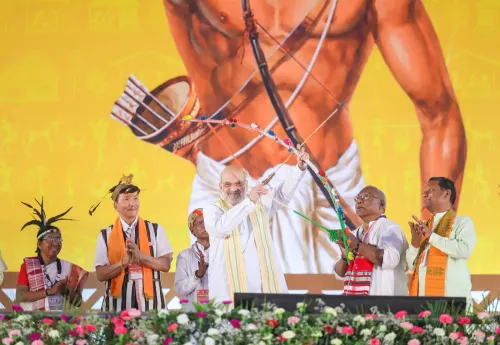
The Chief Minister's Office of Chhattisgarh on 19 June 2026 shared coverage of a statue-unveiling ceremony honouring Birsa Munda, the revered 19th-century Adivasi leader known as Dharti Aaba (God of the Earth), marking a significant moment of official recognition for tribal heritage in the state.
Context
The post, shared by the official Chhattisgarh CMO handle, referenced the event as 'Dharti Aaba Bhagwan Birsamunda Ji — Murti Anavedan Karyakram', meaning the 'Idol Unveiling Programme of Dharti Aaba Bhagwan Birsa Munda Ji'. The ceremony was broadcast live, underscoring the government's intent to give the event wide public visibility. Birsa Munda remains one of the most celebrated figures among Adivasi communities across central and eastern India.
Born in 1875 in the Chota Nagpur plateau region, Birsa Munda led the Ulgulan (Great Tumult) rebellion against British land-grab policies and missionary influence, championing the rights of the Munda tribal community. He died in British custody in 1900 at the age of just 25, and has since been elevated to near-divine status among Adivasi peoples.
Policy Backdrop
Chhattisgarh has a Scheduled Tribe population exceeding 30 per cent, making tribal welfare and cultural recognition a central plank of governance for successive administrations. Public installations of statues and memorials for iconic Adivasi figures have become a consistent feature of state cultural policy across India's tribal belt, from Jharkhand to Odisha and Madhya Pradesh.
November 15 is observed annually as Birsa Munda Jayanti — his birth anniversary — and has been a state holiday in Jharkhand since that state's formation in 2000. The Central Government also designated November 15 as Janjatiya Gaurav Divas (Tribal Pride Day) in 2021, reflecting a broader national push to mainstream Adivasi histories into official commemoration calendars.
Stakeholders and Impact
The unveiling is expected to resonate strongly with Adivasi communities and tribal welfare organisations across Chhattisgarh, for whom Birsa Munda represents both spiritual authority and a symbol of resistance against dispossession. Events of this nature serve to reinforce the state government's outreach to tribal constituencies, which form a decisive electoral and social bloc in the region.
Cultural organisations working on the preservation of Munda, Gondi, and other indigenous traditions have long advocated for greater official recognition of Adivasi icons through permanent public installations. A statue in a state capital or district headquarters carries symbolic weight beyond the ceremony itself, embedding the figure into everyday civic life.
What's Next
Observers will watch for the rollout of district-level programmes accompanying the unveiling, as well as whether this commemoration is formally included in Chhattisgarh's state cultural calendar for subsequent years. Any announcement of welfare schemes, scholarship programmes, or land-rights initiatives linked to the event would amplify its policy significance beyond the ceremonial. The government's follow-through will indicate how deeply the tribute is integrated into its tribal development agenda.
Point of View
Such ceremonies are rarely purely ceremonial — they signal intent on land rights, welfare spending, and cultural policy. The move also sits within a broader national arc where the Centre's Janjatiya Gaurav Divas framework has pushed state governments to visibly match their tribal outreach. The durability of this commitment will ultimately be measured not by the statue's inauguration but by the policy actions that follow it.
NationPress
19 Sept 2026
Frequently Asked Questions
Who is Birsa Munda and why is he called Dharti Aaba?
'Dharti Aaba' means 'God of the Earth' or 'Father of the Earth' in the Munda language. Birsa Munda was a 19th-century Adivasi leader from the Chota Nagpur plateau who led the Ulgulan rebellion against British land-grab policies and is revered as a near-divine figure by Munda and other tribal communities across central and eastern India.
What is the Birsa Munda statue unveiling in Chhattisgarh about?
The Chhattisgarh Chief Minister's Office on 19 June 2026 shared coverage of a statue-unveiling ceremony — referred to as 'Murti Anavedan Karyakram' — honouring Birsa Munda, broadcast live as part of the state government's tribal cultural outreach.
When is Birsa Munda Jayanti celebrated?
Birsa Munda Jayanti falls on 15 November , his birth anniversary. The Central Government also designated this date as Janjatiya Gaurav Divas (Tribal Pride Day) in 2021 to honour Adivasi heritage across India.
What percentage of Chhattisgarh's population is tribal?
Scheduled Tribes account for over 30 per cent of Chhattisgarh's population, making the state one of India's most significant tribal regions and a key focus for Adivasi welfare and cultural recognition policies.
What was the Ulgulan rebellion led by Birsa Munda?
The Ulgulan, meaning 'Great Tumult,' was an armed uprising led by Birsa Munda in the late 1890s against British colonial land policies and forced displacement of Munda tribal communities in the Chota Nagpur plateau. Birsa Munda was captured and died in British custody in 1900.