HP CM Office Pays Tribute to Birsa Munda on Death Anniversary
Synopsis
The Chief Minister's Office of Himachal Pradesh on 9 June 2026 paid tribute to Birsa Munda, the tribal freedom fighter who led the Ulgulan movement for Adivasi rights over water, forests, and land, on the 126th anniversary of his death.
Key Takeaways
The Chief Minister's Office of Himachal Pradesh posted a formal tribute to Birsa Munda on 9 June 2026 , his death anniversary.
Birsa Munda (1875–1900), known as Dharti Aaba , led the Ulgulan movement demanding tribal rights over water, forests, and land in the Chota Nagpur region.
He died in British custody on 9 June 1900 at the age of 25 .
His demands found legislative expression in the Forest Rights Act, 2006 and the PESA Act , both of which apply to Scheduled Tribe areas in Himachal Pradesh.
Himachal Pradesh has significant Scheduled Tribe populations in districts including Lahaul-Spiti, Kinnaur, Pangi , and Bharmour .
Policy watchers will monitor whether the commemoration is followed by concrete state-level action on forest-rights claims processing.
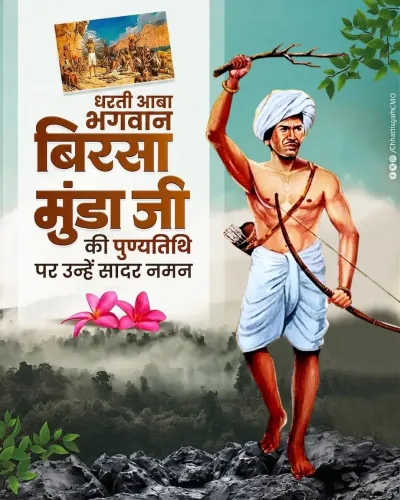
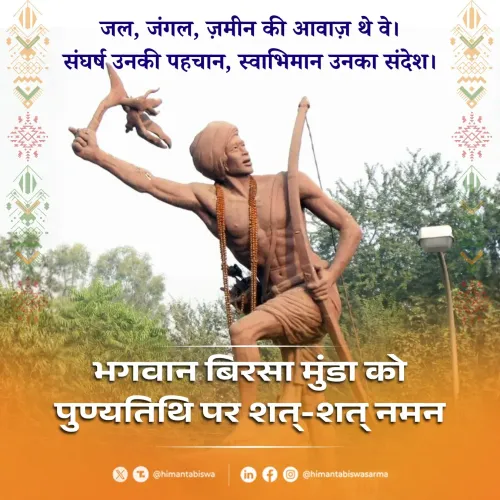
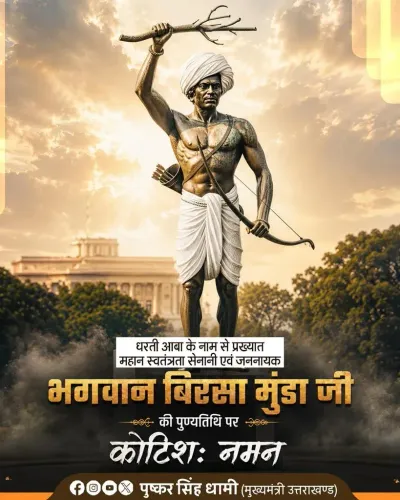
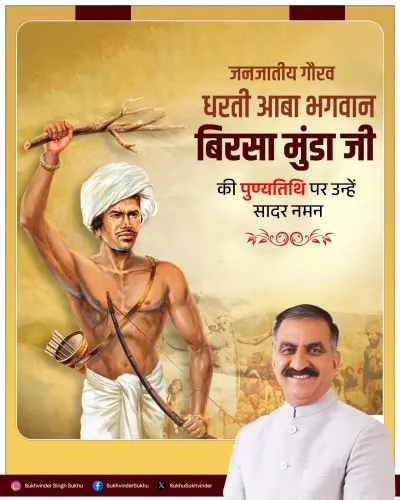
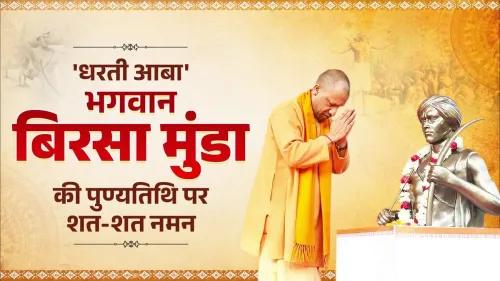
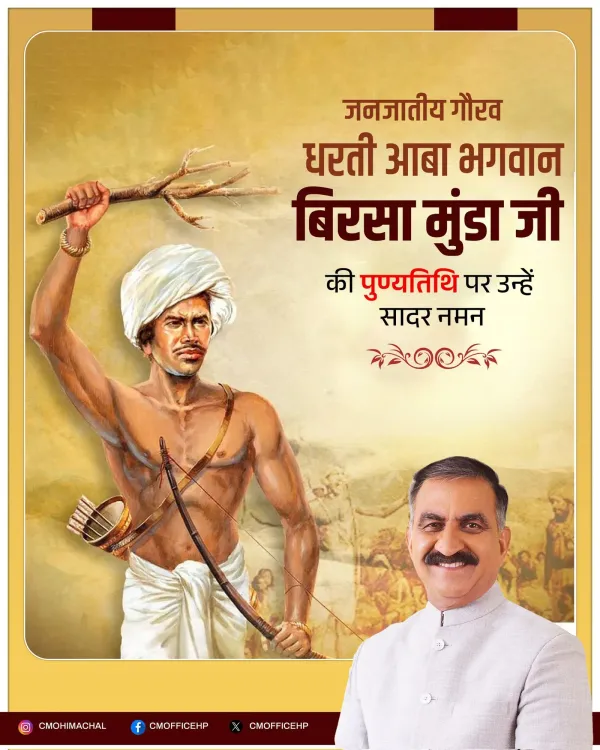
The Chief Minister's Office of Himachal Pradesh paid solemn tribute to freedom fighter and tribal icon Birsa Munda on his death anniversary, Tuesday, 9 June 2026, honouring his lifelong struggle for the rights of indigenous communities over land, forests, and water.
The post, shared from the official CMO Himachal Pradesh handle, offered respects in Hindi: 'जल, जंगल और जमीन के अधिकारों की आवाज को सशक्त करने वाले, महान स्वतंत्रता संग्राम सेनानी धरती आबा बिरसा मुंडा जी की पुण्यतिथि पर उन्हें सादर नमन' — meaning, 'Respectful salutations to the great freedom fighter Dharti Aaba Birsa Munda, who amplified the voice of rights over water, forests, and land, on his death anniversary.' The statement further noted that Birsa Munda dedicated his entire life to protecting the rights of tribal society and preserving folk culture.
Context
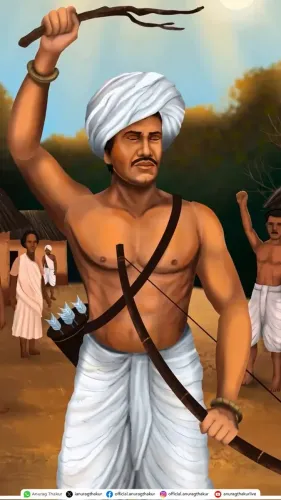
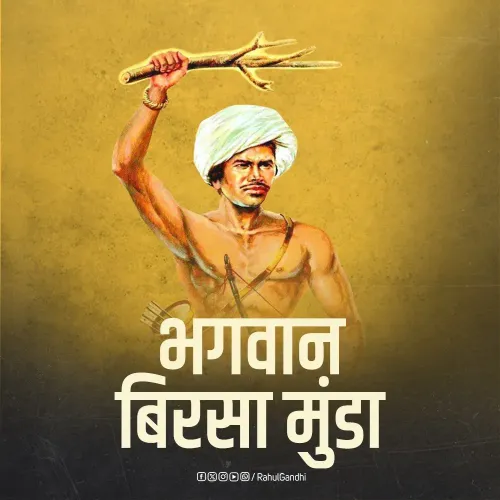
Birsa Munda (1875–1900), reverently called Dharti Aaba (Father of the Earth), was born in the Chota Nagpur region and emerged as a defining voice for Adivasi communities under British colonial rule. He led the Ulgulan (Great Tumult) movement of 1899–1900, demanding the restoration of tribal land rights and resisting the systematic displacement of indigenous communities from their forests. He died in British custody on 9 June 1900, aged just 25, and his death anniversary is observed across India as a day of remembrance for tribal rights.Policy Backdrop
The demands Birsa Munda raised — rights over jal, jungle aur zameen (water, forest, and land) — found statutory expression more than a century later in the Scheduled Tribes and Other Traditional Forest Dwellers (Recognition of Forest Rights) Act, 2006. The legislation recognised individual and community rights over forest land, directly echoing the concerns that animated the Ulgulan uprising. The Panchayats (Extension to Scheduled Areas) Act (PESA) similarly extended local self-governance rights to tribal regions. Himachal Pradesh, home to a significant Scheduled Tribe population — including communities in Lahaul-Spiti, Kinnaur, Pangi, and Bharmour — has been a participant in the implementation of both frameworks.Stakeholders and Impact
Annual tributes of this kind carry symbolic weight for tribal communities across India, signalling that elected governments acknowledge the historical injustices faced by Adivasi populations. For Himachal Pradesh, where Scheduled Tribes constitute a notable share of the hill-state's demographic fabric, such commemorations are also a reminder of pending forest-rights claims and the continued relevance of community land protections. Civil society groups working on tribal welfare often use the occasion to press state administrations on the pace of forest-rights title distribution and PESA implementation.What's Next
Observers of tribal policy will watch whether the Himachal Pradesh government follows the June commemoration with concrete administrative steps — such as expediting pending forest-rights claims, issuing fresh notifications under PESA, or announcing welfare schemes targeted at Scheduled Tribe communities in the state's remote hill districts. The annual cycle of tributes to Birsa Munda has, in recent years, served as a political and administrative checkpoint for states to demonstrate tangible progress on indigenous rights beyond ceremonial acknowledgement.Point of View
Where tribal communities in remote districts remain directly dependent on forest resources, the invocation of 'jal, jungle aur zameen' is not merely rhetorical; it implicitly acknowledges the unfinished business of forest-rights implementation. The tribute also reflects the broader national political arc of reclaiming Birsa Munda as a pan-Indian icon of constitutional rights, a framing that has gained momentum across the political spectrum. Whether such commemorations translate into administrative follow-through on pending forest-rights titles remains the key test of their policy substance.
NationPress
23 Oct 2026
Frequently Asked Questions
Who was Birsa Munda and why is he remembered?
Birsa Munda (1875–1900) was a tribal leader from the Chota Nagpur region who led the Ulgulan movement against British land alienation policies, demanding Adivasi rights over water, forests, and land. He is remembered as 'Dharti Aaba' (Father of the Earth) and is regarded as a foundational figure in India's tribal rights movement.
When is Birsa Munda's death anniversary observed?
Birsa Munda's death anniversary falls on 9 June every year. He died in British custody on 9 June 1900 at the age of 25.
What is the Ulgulan movement associated with Birsa Munda?
The Ulgulan, meaning 'Great Tumult,' was the 1899–1900 uprising led by Birsa Munda against British colonial policies that displaced tribal communities from their forest lands in the Chota Nagpur region.
What is the Forest Rights Act and how does it relate to Birsa Munda?
The Scheduled Tribes and Other Traditional Forest Dwellers (Recognition of Forest Rights) Act, 2006 statutorily recognised tribal communities' rights over forest land, directly echoing the demands Birsa Munda raised during the Ulgulan movement more than a century earlier.
Why did the Himachal Pradesh CMO Office pay tribute to Birsa Munda?
The Chief Minister's Office of Himachal Pradesh issued the tribute on 9 June 2026 to mark Birsa Munda's death anniversary, honouring his contribution to the freedom struggle and his advocacy for tribal rights over water, forests, and land — issues that remain relevant to Scheduled Tribe communities in the state.