CM Mohan Yadav Announces Garlic-Onion Mandi for Deori
Synopsis
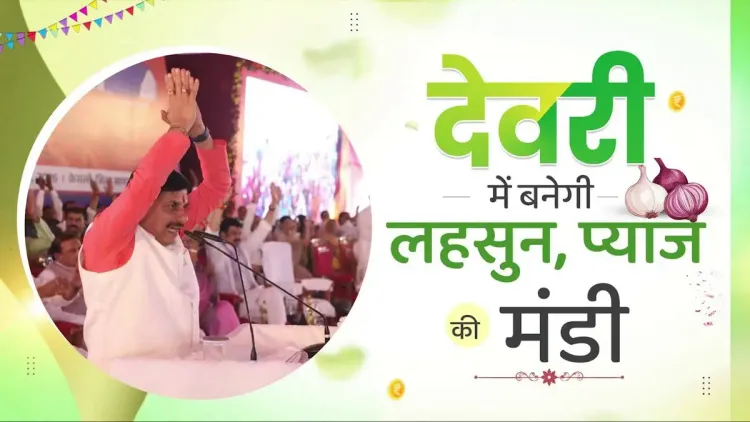
Chief Minister Dr. Mohan Yadav announced a new garlic and onion mandi for Deori in Sagar district on 14 June 2026, continuing Madhya Pradesh's push to expand regulated agricultural markets and improve price discovery for horticultural smallholders.
Key Takeaways
The Chief Minister's Office of Madhya Pradesh announced a dedicated garlic and onion mandi for Deori, Sagar district on 14 June 2026 .
Mohan Yadav made the announcement during a public visit to Deori, alongside other important declarations.
Madhya Pradesh is a leading national producer of garlic and onions; the new mandi aims to reduce distress sales and improve price discovery for smallholders.
The event also referenced the Ladli Behna MP scheme, indicating a broader welfare outreach dimension to the visit.
Key next steps include land acquisition, budget allocation, and a formal construction timeline from the MP Agriculture Department .
APMC-regulated mandis provide licensed trading, transparent weighing, and government-notified prices, directly benefiting marginal farmers.
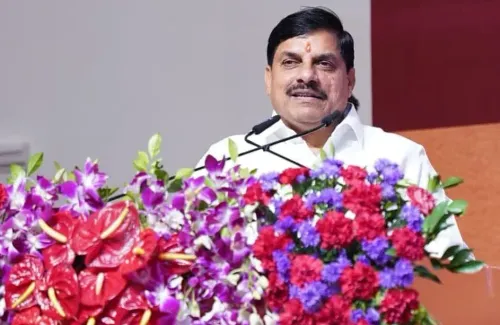
The Chief Minister's Office of Madhya Pradesh announced on Sunday, 14 June 2026 that Chief Minister Dr. Mohan Yadav has made several important announcements during a visit to Deori, including the establishment of a dedicated garlic and onion mandi in the town.
Context
The post from the official Chief Minister's Office account states: 'Mukhyamantri Dr. Mohan Yadav dwara Deori mein lahsun aur pyaz ki mandi banane samit mahatvapurn ghoshnaen' — ('Chief Minister Dr. Mohan Yadav makes important announcements in Deori, including the establishment of a garlic and onion mandi'). Deori is a town in Sagar district of Madhya Pradesh, situated in an agriculturally active belt known for horticultural produce. The announcement signals direct state intervention to improve market access for local farmers.
Policy Backdrop
Madhya Pradesh is among India's leading producers of both garlic and onions, and successive state governments have pursued the expansion of regulated Agricultural Produce Market Committee (APMC) mandis in high-output rural pockets over the past fifteen years. Such infrastructure investments are designed to reduce distress selling by smallholders and improve price discovery by bringing buyers and sellers under a regulated framework. The current announcement by Dr. Mohan Yadav, who has served as Chief Minister since December 2023, continues this established policy emphasis on physical market facilities in productive agricultural zones.
The post also references the Ladli Behna MP scheme — a flagship women's welfare programme of the Madhya Pradesh government — suggesting that the Deori event may have covered multiple announcements spanning agricultural infrastructure and social welfare together. The hashtag #LadliBahnaMP in the original post indicates the visit carried a broader public outreach dimension beyond the mandi announcement alone.
Stakeholders and Impact
The primary beneficiaries of a dedicated garlic and onion mandi in Deori would be smallholder and marginal farmers in Sagar district who currently depend on informal or distant markets to sell their produce. A regulated mandi provides access to licensed traders, transparent weighing, and government-notified minimum prices, reducing the leverage of intermediaries. APMC traders and commission agents operating in the region would also gain a formal, permanent marketplace to conduct transactions.
For the broader horticultural supply chain, a local mandi can reduce post-harvest losses caused by long-distance transportation to larger market centres, improving net realisations for growers. Given that garlic and onion prices are politically sensitive commodities across India, state-level infrastructure that stabilises local supply can also have downstream effects on regional price volatility.
What's Next
The key milestones to watch following this announcement include land identification and acquisition, formal budget allocation by the Madhya Pradesh Agriculture Department, and a construction timeline for the proposed mandi at Deori. Subsequent releases from the state agriculture department are expected to provide granular details on project scope and funding. The announcement is also likely to be followed up through the official channels of the Women and Child Development Department of Madhya Pradesh, given the Ladli Behna linkage flagged in the post.
Point of View
The Ladli Behna scheme — to consolidate rural support ahead of local electoral cycles. Dr. Mohan Yadav, who took charge in December 2023 as a BJP pick with a strong agrarian constituency, has consistently used such on-ground announcements to signal proximity to farming communities. Garlic and onion mandis carry outsized political weight because price crashes in these commodities generate visible farmer distress and media attention. Whether the Deori mandi moves from announcement to construction will be the true test of this policy commitment.
NationPress
21 Sept 2026
Frequently Asked Questions
What did CM Mohan Yadav announce in Deori?
Chief Minister Dr. Mohan Yadav announced the establishment of a dedicated garlic and onion mandi in Deori, Sagar district, along with other important declarations during a public visit on 14 June 2026.
Where is Deori located in Madhya Pradesh?
Deori is a town in Sagar district of Madhya Pradesh, situated in an agriculturally active region known for the production of garlic and onions.
What is an APMC mandi and how does it help farmers?
An APMC (Agricultural Produce Market Committee) mandi is a regulated marketplace where farmers can sell produce to licensed traders at transparent, government-notified prices, reducing dependence on informal intermediaries and distress selling.
What is the Ladli Behna MP scheme mentioned in the post?
Ladli Behna MP is a flagship women's welfare scheme of the Madhya Pradesh government; its mention in the post suggests the Deori event covered welfare announcements alongside the agricultural infrastructure declaration.
Is Madhya Pradesh a major garlic and onion producer?
Yes, Madhya Pradesh is among India's leading producers of both garlic and onions, making regulated market infrastructure in producing districts especially significant for farmer income and regional price stability.