MP CMO Spotlights State as Leader in Horticulture Output
Synopsis
The Chief Minister's Office of Madhya Pradesh has projected the state as a leading producer of horticultural crops in a 3 June 2026 video post, tagging Chief Minister Dr. Mohan Yadav and the state horticulture department, and reinforcing Bhopal's push to position itself beyond cereals in India's farm economy.
Key Takeaways
CMO post dated 3 June 2026 calls Madhya Pradesh a leader in horticultural crop output.
Mohan Yadav and the state horticulture handle @horticulturemp .
Post is anchored by a video presentation, with no still images attached.
Frames horticulture as a flagship sector alongside the state's cereal economy.
Aligns with the National Horticulture Mission launched in 2005 .
Stakeholders include horticulture farmers, exporters and food processors.
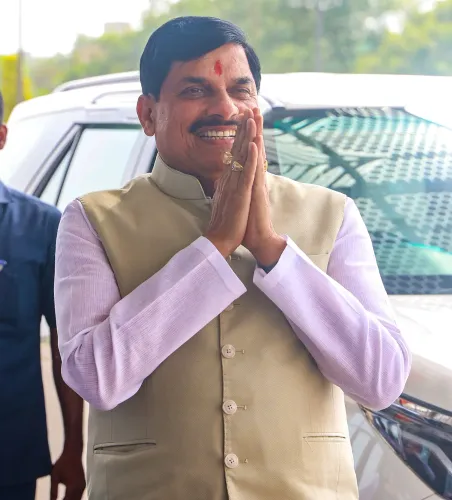
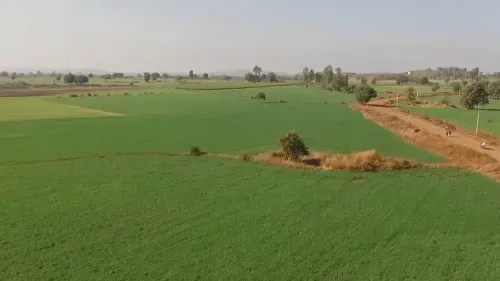
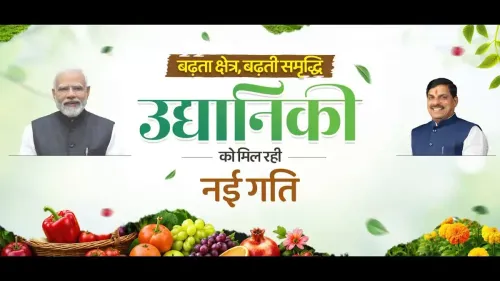
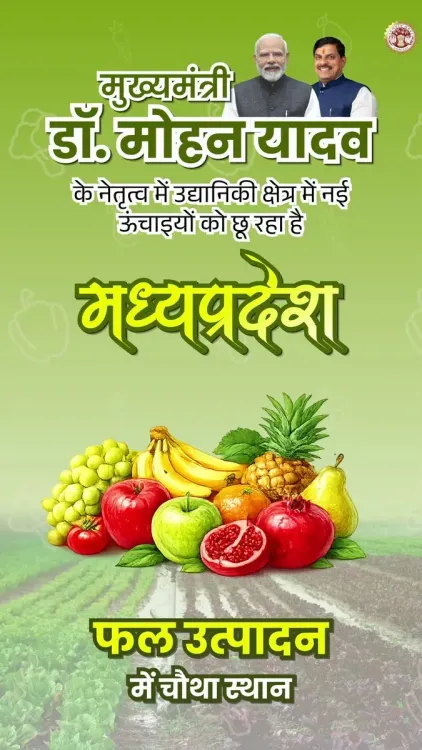
The Chief Minister's Office of Madhya Pradesh on 3 June 2026 posted a video presentation positioning the state as a frontrunner in horticultural crop production, tagging Chief Minister Dr. Mohan Yadav and the state horticulture department. The post, in Hindi, declared 'Udyanik faslon ke utpadan mein agrani Madhyapradesh' ('Madhya Pradesh, leading in production of horticultural crops'), framing the central Indian state's expanding fruit, vegetable and spice output as a flagship economic narrative.
The short message, accompanied by a video, foregrounds horticulture as a defining sector for the state's rural economy. By tagging @horticulturemp, the official handle of the state's horticulture and food processing department, the CMO signalled a coordinated push to highlight crop diversification beyond traditional cereals such as wheat and soybean.
Context
Dr. Mohan Yadav has led Madhya Pradesh as Chief Minister since December 2023, and his administration has repeatedly used digital channels to project the state's agricultural credentials. Earlier communications from the CMO have flagged Madhya Pradesh's standing in wheat procurement, pulses and oilseeds; the latest post extends that messaging to the horticulture basket, which spans fruits, vegetables, spices, flowers and medicinal plants.
The state has historically figured among the country's top growers of crops such as garlic, onion, coriander and certain citrus fruits, alongside guava and tomato in select districts. The CMO's framing of the state as 'leading' fits within a recurring narrative of agricultural primacy that Bhopal has cultivated over successive governments.
Policy backdrop
India's structured push for horticulture dates to the National Horticulture Mission, launched in 2005 to expand area under fruits, vegetables and spices, modernise nurseries, and build post-harvest infrastructure. Madhya Pradesh has been a participating state, channelling central assistance into drip irrigation, protected cultivation and cold-chain projects through its horticulture and food processing department.
Successive state budgets have earmarked funds for horticulture clusters, mandi linkages and farmer producer organisations. The broader policy intent, shared across several Indian states, has been to shift cropping patterns from low-margin cereals toward higher-value horticultural produce as a route to raising farmer incomes.
Stakeholders and impact
The principal beneficiaries of any sustained horticulture push are smallholder and medium farmers who can diversify into fruits, vegetables and spices on part of their landholding. Agri-exporters dealing in onion, garlic, oranges and processed vegetables also stand to gain if production volumes and quality standards keep climbing.
Allied stakeholders include cold-storage operators, food processing units, transport aggregators and retail chains sourcing fresh produce. For consumers in deficit states, higher output from Madhya Pradesh can translate into steadier supply during lean months, while volatility in perishables remains a perennial policy concern.
What's next
The next milestone for assessing the state's horticulture claims will be the annual horticulture statistics released by the Union Ministry of Agriculture and Farmers Welfare, which publishes state-wise area and production data for major crops. State budget allocations for horticulture infrastructure, including drip irrigation, polyhouses, and post-harvest facilities, will also indicate the depth of the policy commitment behind the CMO's messaging.
If Madhya Pradesh sustains its diversification trajectory, the political dividend for the Yadav government could lie in showcasing rural income gains ahead of the next round of electoral cycles, while structurally embedding the state more firmly in India's fresh-produce and processed-food value chains.
Point of View
Now extending that claim from cereals to higher-value horticulture. It dovetails with a wider national policy arc, anchored by the National Horticulture Mission, that pushes states to diversify cropping patterns to raise farmer incomes. For the Yadav government, horticulture offers both an economic story and a political one, especially in districts where fruit, vegetable and spice cultivation drive rural prosperity. The real test will lie in whether official production data and farm-gate prices back up the leadership claim.
NationPress
17 Oct 2026
Frequently Asked Questions
What did the Madhya Pradesh CMO say about horticulture?
The CMO posted on 3 June 2026 that Madhya Pradesh is a leader in the production of horticultural crops, tagging CM Dr. Mohan Yadav and the state horticulture department alongside a video presentation.
Who is the Chief Minister of Madhya Pradesh in 2026?
Dr. Mohan Yadav has been the Chief Minister of Madhya Pradesh since December 2023 and was tagged in the latest CMO post on horticulture.
Which horticultural crops is Madhya Pradesh known for?
Madhya Pradesh has historically been a major producer of crops such as garlic, onion, coriander and certain fruits, in addition to staples like wheat and soybean.
What is the National Horticulture Mission?
The National Horticulture Mission is a central government scheme launched in 2005 to promote production of fruits, vegetables and spices and to build supporting infrastructure across Indian states, including Madhya Pradesh.
Why is horticulture important for Madhya Pradesh farmers?
Horticulture offers higher per-acre returns than many traditional cereals, helping farmers diversify income, while also feeding into food processing, exports and cold-chain investment in the state.