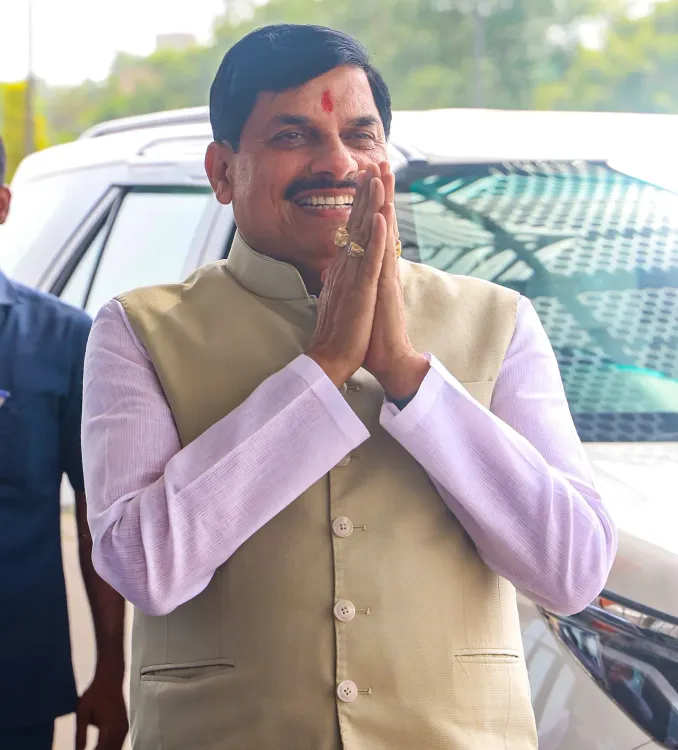
MP CM Mohan Yadav pushes horticulture and animal husbandry to raise farmer income
Synopsis
Madhya Pradesh ranks third nationally in vegetable production and just added 21.58 lakh metric tonnes of output in four years — yet Chief Minister Mohan Yadav is arguing the state has barely scratched the surface. His new push targets 54,000 hectares of fresh vegetable cultivation under the 'Year of Farmers' Welfare', with a clear bet that diversification into horticulture and animal husbandry is the fastest route to doubling smallholder income.
Key Takeaways
Chief Minister Mohan Yadav on 11 June called for equal focus on horticulture , animal husbandry , fisheries , and food processing to raise farmer income in Madhya Pradesh .
Madhya Pradesh ranks third in India in vegetable production, contributing around 259 lakh metric tonnes out of a national total of 2,177 lakh metric tonnes .
Vegetable output rose by 21.58 lakh metric tonnes over four years, from 236.41 lakh metric tonnes (2022–23) to 257.99 lakh metric tonnes (2024–25).
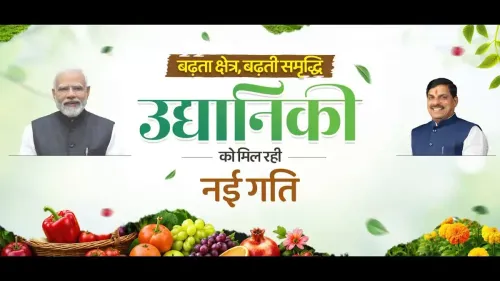
The Department of Horticulture and Food Processing has set a target to expand cultivation across 54,000 hectares under the 'Year of Farmers' Welfare' .
Onion holds the largest share; its cultivation area grew from 2.17 lakh hectares to 2.30 lakh hectares between 2022–23 and 2024–25 .
Small-holding farmers are the primary focus, with support for technical guidance, planting material, and marketing.
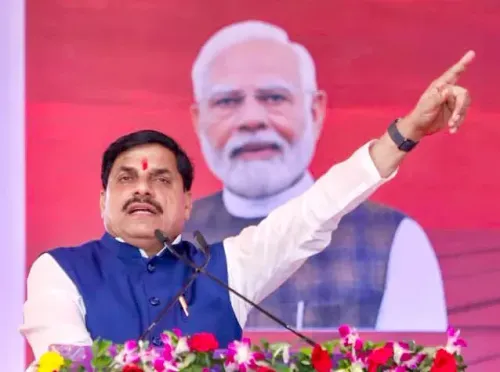
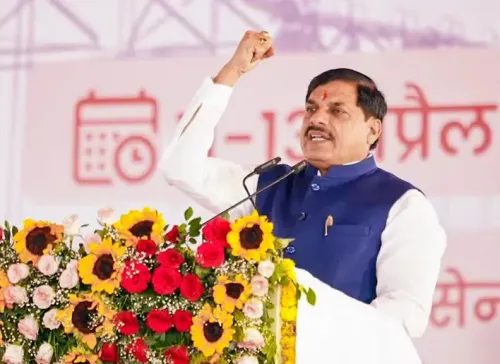
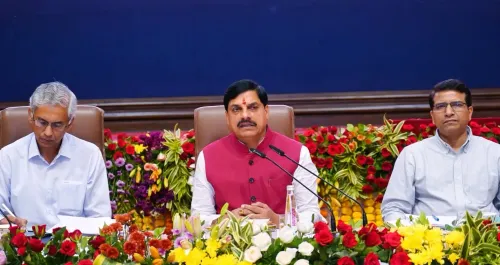
Madhya Pradesh Chief Minister Mohan Yadav on Thursday, 11 June called for a decisive shift in the state's agricultural strategy, urging equal priority for horticulture, animal husbandry, fisheries, and food processing alongside traditional crop farming to meaningfully raise farmer income.
'Agriculture cannot be limited to traditional crops alone. To boost farmers' income, it is essential to accord equal importance to horticulture, animal husbandry, fisheries and food processing alongside agriculture,' Yadav said.
Madhya Pradesh's Rising Horticulture Footprint
Madhya Pradesh currently ranks third in the country in vegetable production, according to official data. Vegetable output in the state climbed by 21.58 lakh metric tonnes over four years, rising from 236.41 lakh metric tonnes in 2022–23 to 257.99 lakh metric tonnes in 2024–25. Nationally, India produces approximately 2,177 lakh metric tonnes of vegetables annually, with Madhya Pradesh contributing around 259 lakh metric tonnes — roughly 12% of the national total.
Officials attribute the growth to a combination of favourable climate, fertile soil, expanded irrigation coverage, and the adoption of modern farming techniques by smallholders across the state.
Key Crops and Expanding Cultivation Area
Farmers in Madhya Pradesh grow a wide range of vegetables including onion, potato, tomato, brinjal, cauliflower, cabbage, peas, okra, and gourds. Onion holds the largest share of cultivated area, which expanded from 2.17 lakh hectares in 2022–23 to 2.30 lakh hectares in 2024–25, according to the official statement.
Targets Under the 'Year of Farmers' Welfare'
Under the state's 'Year of Farmers' Welfare' initiative, the Department of Horticulture and Food Processing has set a target to expand vegetable cultivation across 54,000 hectares. The crop-wise breakdown includes 16,500 hectares for onions, 13,300 hectares for potatoes, 9,800 hectares for tomatoes, 3,500 hectares each for peas and cabbage, 1,200 hectares for high-value vegetables, and 6,200 hectares for gourds.
The department stated that participating farmers will receive technical guidance, quality planting material, and marketing support. The programme places particular emphasis on small-holding farmers, aiming to improve per-acre returns from limited landholdings.
What This Means for Farmers
The push signals a structural reorientation of Madhya Pradesh's agricultural policy — away from dependence on a handful of staple crops and toward a diversified income model. This comes amid broader national conversations about farm distress, where commodity price volatility in wheat and soybean has repeatedly squeezed smallholder margins. Notably, this is not the first such diversification drive in the state, but the 54,000-hectare expansion target and crop-specific allocation give it more operational specificity than past announcements. Whether implementation keeps pace with targets will be the critical test going forward.
Point of View
But the Chief Minister's statement sidesteps a harder question: why, despite ranking third nationally in production, do smallholder incomes remain under pressure? Output growth without commensurate price realisation — a persistent problem in onion and tomato markets — means the gains accrue more to aggregators than to farmers. The 54,000-hectare target is specific, but the marketing support component remains vague. Until the state builds cold-chain infrastructure and farmer-producer organisation capacity at scale, diversification risks adding supply without adding income.
NationPress
24 Sept 2026
Frequently Asked Questions
What did Madhya Pradesh CM Mohan Yadav say about agriculture on 11 June?
Chief Minister Mohan Yadav called for agriculture in Madhya Pradesh to move beyond traditional crops, emphasising that horticulture, animal husbandry, fisheries, and food processing must receive equal priority to raise farmer income. He made the remarks on 11 June as part of the state's ongoing 'Year of Farmers' Welfare' initiative.
What is Madhya Pradesh's rank in vegetable production in India?
Madhya Pradesh currently ranks third in the country in vegetable production, contributing approximately 259 lakh metric tonnes out of India's total of around 2,177 lakh metric tonnes. Output in the state grew by 21.58 lakh metric tonnes over the past four years.
What is the 54,000-hectare horticulture target in Madhya Pradesh?
Under the 'Year of Farmers' Welfare', the Department of Horticulture and Food Processing has set a target to expand vegetable cultivation across 54,000 hectares. This includes specific allocations for onion (16,500 hectares), potato (13,300 hectares), tomato (9,800 hectares), peas and cabbage (3,500 hectares each), high-value vegetables (1,200 hectares), and gourds (6,200 hectares).
Who are the primary beneficiaries of the new horticulture push?
The programme is specifically focused on small-holding farmers, aiming to improve income from limited landholdings. Beneficiaries will receive technical guidance, quality planting material, and marketing support from the state's horticulture department.
Why has onion cultivation expanded in Madhya Pradesh?
Onion holds the largest share of vegetable cultivation area in the state, which grew from 2.17 lakh hectares in 2022–23 to 2.30 lakh hectares in 2024–25. Officials attribute the expansion to favourable climate, improved irrigation, and modern farming techniques adopted by farmers across the state.