CM Mohan Yadav Pushes Orchha as World-Class Religious Tourism Hub
Synopsis
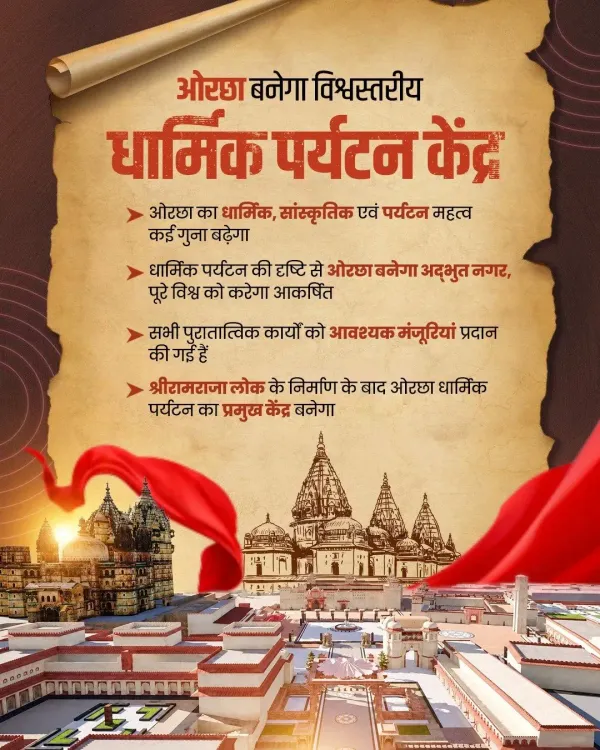
Madhya Pradesh CM Dr. Mohan Yadav announced that all archaeological approvals for Orchha's development have been granted and that the upcoming Shri Ram Raja Lok complex will establish the historic Bundela-era town as a premier global religious tourism destination.
Key Takeaways
Madhya Pradesh CM Dr.
Mohan Yadav reaffirmed the state's commitment to giving Orchha a world-class identity in religious tourism.
All archaeological approvals for development work in Orchha have been granted, according to the Chief Minister.
The Shri Ram Raja Lok complex is the centrepiece project intended to transform Orchha into a major pilgrimage hub.
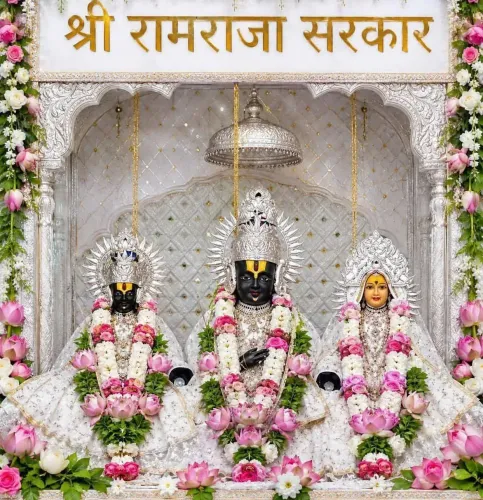
Orchha, located in Niwari district , is home to the unique Ram Raja Temple where Lord Ram is venerated as a king.
The initiative is part of a broader Madhya Pradesh religious tourism circuit that also includes Ujjain and Chitrakoot.
Local businesses, pilgrims, and heritage bodies are the primary stakeholders watching construction and funding milestones.
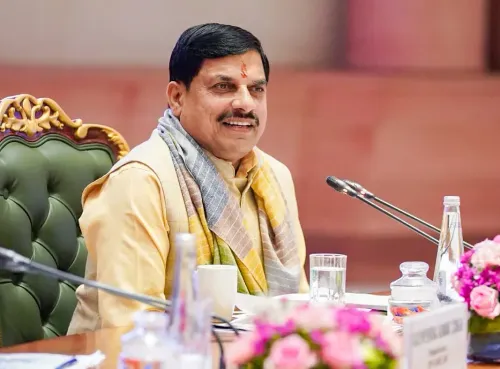
Madhya Pradesh Chief Minister Dr. Mohan Yadav on Sunday, 27 July 2026, reaffirmed the state government's commitment to developing Orchha as a world-class religious tourism destination, announcing that all archaeological approvals for the project have been granted and that the upcoming Shri Ram Raja Lok complex will transform the historic town into a premier pilgrimage centre.
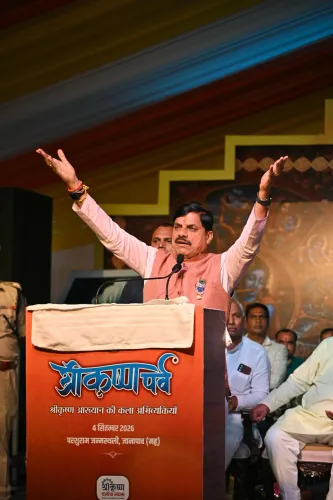
In his post on X, Chief Minister Yadav stated: 'Dharmik paryatan ki drishti se Orchha ko vishwastareey pahchan dene ke liye nirantar karya kiye ja rahe hain.' ('Continuous work is being done to give Orchha a world-class identity from the perspective of religious tourism.') He added that once Shri Ram Raja Lok is constructed, Orchha will become the foremost centre of religious tourism and the entire world will soon be drawn to it.
Context
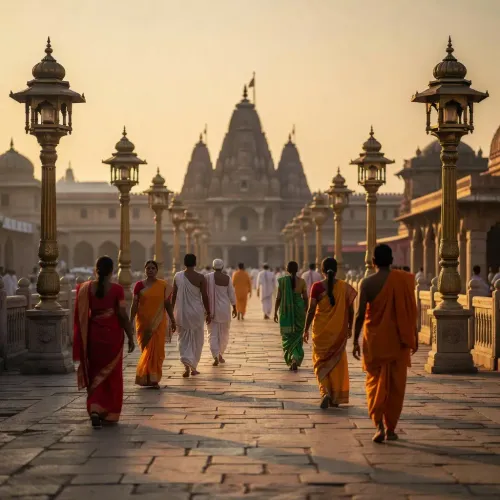
Orchha, a historic town in the Niwari district of Madhya Pradesh, is renowned for its 16th- and 17th-century Bundela-era temples, cenotaphs, and palaces. At its heart is the Ram Raja Temple, one of the few shrines in India where Lord Ram is worshipped as a king — a tradition unique to this town. The site draws hundreds of thousands of pilgrims and heritage tourists annually, yet its infrastructure has historically lagged behind its cultural significance.
The Chief Minister's statement signals an acceleration of state-level efforts to bridge that gap, with formal archaeological clearances described as now in place — a prerequisite for large-scale construction work near protected heritage zones.
Policy Backdrop
The Shri Ram Raja Lok project is a planned cultural and religious infrastructure complex designed to expand visitor facilities, improve connectivity, and create an immersive experience around the Ram Raja Temple precinct. It sits within a broader Madhya Pradesh strategy that includes linkages to the Ram Van Gaman Path — an initiative launched in the late 2010s to connect sites across central India associated with Lord Ram's journey as described in the Ramayana.
This approach mirrors similar heritage-tourism drives undertaken in Uttar Pradesh and other states, where temple-town development has been used to stimulate local economies through increased pilgrim footfall, hospitality investment, and ancillary services. The Madhya Pradesh government has positioned Orchha alongside sites such as Ujjain and Chitrakoot in its integrated religious tourism circuit.
Stakeholders and Impact
Religious pilgrims visiting the Ram Raja Temple stand to benefit most directly from improved infrastructure, safer access routes, and better amenities once the Shri Ram Raja Lok complex is operational. Local tourism businesses — hotels, guides, artisan markets — are expected to see increased revenue as the state targets both domestic and international visitors.
Heritage conservation bodies and the Archaeological Survey of India remain key stakeholders, given Orchha's protected monument status. The granting of archaeological approvals, as cited by the Chief Minister, suggests that conservation requirements have been factored into the project design, though the precise scope of those approvals has not been independently detailed.
What's Next
Attention will now turn to construction milestones for Shri Ram Raja Lok, including groundbreaking timelines, funding allocations, and any central government scheme linkages that may co-finance the project. The state tourism department's visitor data for Orchha in the coming seasons will serve as an early indicator of whether the heightened political attention is translating into measurable footfall growth.
If the project proceeds on the trajectory outlined by Chief Minister Yadav, Orchha could emerge as a significant node in India's expanding religious tourism economy — one that blends archaeological heritage with modern pilgrim infrastructure to compete for a share of the global faith-travel market.
Point of View
Suggesting the Shri Ram Raja Lok complex may be closer to ground-breaking than earlier phases indicated. By framing Orchha's appeal in explicitly global terms, the Chief Minister is also signalling ambition beyond domestic pilgrimage circuits, aligning with the Union government's broader 'Dekho Apna Desh' and faith-tourism promotion agendas. How quickly construction milestones follow this political messaging will determine whether Orchha's moment is sustained or remains aspirational.
NationPress
25 Oct 2026
Frequently Asked Questions
What is the Shri Ram Raja Lok project in Orchha?
Shri Ram Raja Lok is a planned cultural and religious infrastructure complex in Orchha, Madhya Pradesh, designed to develop visitor facilities and create an immersive experience around the famous Ram Raja Temple, where Lord Ram is worshipped as a king.
Why is Orchha famous for religious tourism?
Orchha is home to the Ram Raja Temple, one of the very few shrines in India where Lord Ram is venerated as a reigning king rather than a deity, making it a unique pilgrimage site. The town also features 16th- and 17th-century Bundela-era palaces, temples, and cenotaphs.
Has the Orchha development project received archaeological approval?
Madhya Pradesh Chief Minister Dr. Mohan Yadav stated on 27 July 2026 that all archaeological approvals for the development work in Orchha have been granted, which is a key regulatory step before large-scale construction near protected heritage sites.
What is the Ram Van Gaman Path and how does it relate to Orchha?
The Ram Van Gaman Path is a Madhya Pradesh government initiative to link sites across central India associated with Lord Ram's journey as described in the Ramayana. Orchha is positioned as part of this broader pilgrimage circuit alongside sites like Ujjain and Chitrakoot.
Who is Dr. Mohan Yadav?
Dr. Mohan Yadav is the Chief Minister of Madhya Pradesh and a senior BJP leader. He assumed office in December 2023 and has championed heritage conservation and religious tourism as key planks of the state's development agenda.