CM Mohan Yadav: BJP's Electoral Wins Expose Congress's Losses
Synopsis
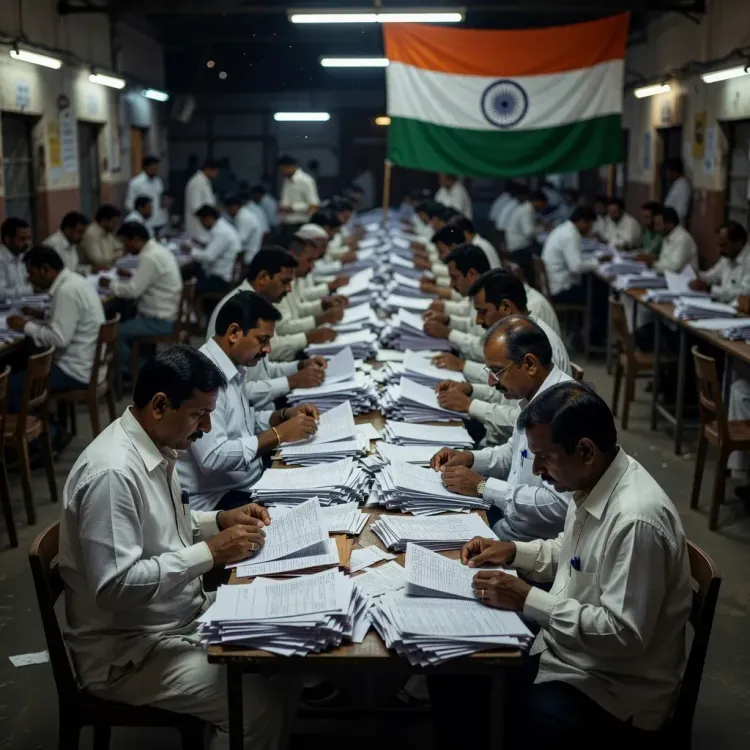
MP Chief Minister Dr. Mohan Yadav, amplifying Union Home Minister Amit Shah, declares historic BJP wins across Gujarat urban polls, multiple state bypolls, and Tripura gram samitis, while directly challenging Rahul Gandhi's political credibility and calling for his introspection over Congress's successive electoral defeats.
Key Takeaways
BJP claims historic victory in Gujarat urban local body elections, adding to a long run of dominance in the state.
Party also cites bypoll wins in West Bengal , Tamil Nadu , and Puducherry as part of a national sweep.
Tripura gram samiti elections conducted by ballot paper also went to the BJP, reinforcing its grassroots hold post-2023.
Mohan Yadav quotes Amit Shah directly, accusing Rahul Gandhi of shielding infiltrators through the 'SIR' campaign.
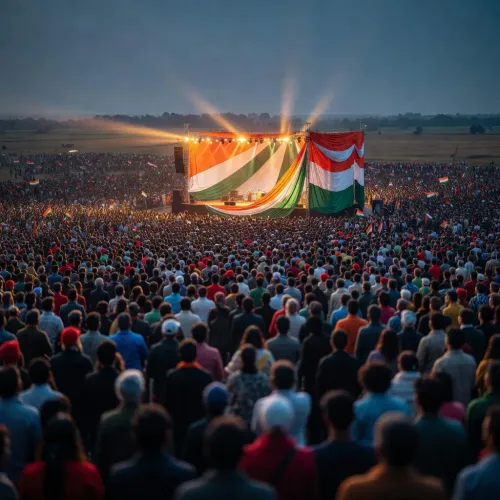
The post argues that since Gandhi became Congress president and Leader of the Opposition, the party has 'continuously lost elections.' BJP dismisses Gandhi's public rallies, claiming an 8,000-strong crowd drawn from 14 parties' cadres within 1.5 km does not constitute a national voice.
A string of election results — from Gujarat's urban bodies to bypolls in West Bengal, Tamil Nadu, and Puducherry — has handed the Bharatiya Janata Party fresh ammunition in its ongoing battle with the Indian National Congress, and Madhya Pradesh Chief Minister Dr. Mohan Yadav used the moment to land a pointed broadside on Tuesday, October 13, 2026.
A cascade of BJP victories, from Gujarat to Tripura
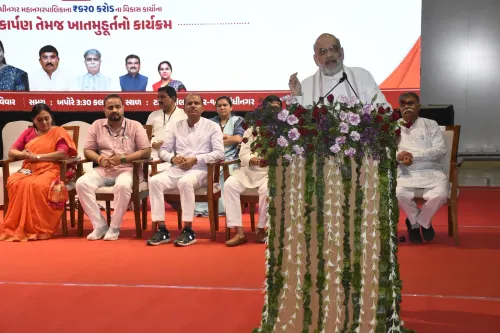
The CM's post, citing Home Minister Amit Shah, catalogues what the BJP is framing as a sweep across the country's electoral map. Gujarat's urban local body elections delivered what Yadav called an 'historic victory' — ऐतिहासिक विजय — for the party. Bypolls in West Bengal, Tamil Nadu, and Puducherry followed suit, each adding to the tally. Even Tripura's gram samiti elections, conducted by ballot paper, went the BJP's way. The sweep, as presented, spans India's east, south, and west in a single political news cycle.
BJP's dominance in Gujarat across municipal and panchayat cycles stretches back well over a decade, making the state a reliable column in the party's victory ledger. Tripura has been a more recent addition to the BJP's story — the party displaced the long-ruling Left Front in the 2023 assembly elections, and these gram samiti results, the post argues, consolidate that hold at the grassroots.
The 'SIR' charge and the Rahul Gandhi targeting
The sharpest lines in the post are directed squarely at Rahul Gandhi. Quoting Union Home and Cooperation Minister Amit Shah, Yadav alleges that Gandhi is using what the BJP refers to as 'SIR' as cover to 'protect infiltrators' — घुसपैठियों को बचा रहे हैं — a framing that taps directly into the illegal immigration debate that has shadowed Indian politics since the NRC-CAA controversy. The post stops short of defining 'SIR' explicitly, but the BJP has previously used the term in the context of electoral roll revision exercises and related Opposition campaigns.
The attack then broadens into a longitudinal argument: that since Rahul Gandhi became both Congress president and Leader of the Opposition in the Lok Sabha, Congress has 'continuously lost elections' — लगातार चुनाव हारी है. The prescription offered is blunt: आत्मचिंतन, self-reflection.
The crowd-size rebuttal
The post's closing salvo takes aim at Gandhi's public mobilisation. The argument: assembling 8,000 people from 14 parties' cadres within a 1.5-km stretch does not make someone the voice of the nation — देश की आवाज नहीं बन सकते. It is a calculated counter to the Opposition's narrative of mass popular support, framing the crowd as a managed coalition exercise rather than an organic groundswell.
The BJP's playbook of linking local and regional electoral wins to a wider national momentum — and simultaneously tying Congress losses to its leadership — has been a consistent feature of the party's communication since 2014. Every bypoll, every panchayat result becomes a data point in a running argument about which party truly commands the country's confidence. CM Mohan Yadav's post is a textbook execution of that strategy, amplified by attributing the core attack lines to a senior central leader like Amit Shah. The message is coordinated, not improvised.
For Congress, the challenge is not simply to rebut individual election results — it is to break the narrative architecture that turns each loss into confirmation of a deeper leadership crisis. Until it does, the BJP will keep presenting the scoreboard.
Point of View
Mohan Yadav signals top-down coordination rather than solo commentary, giving the message added institutional weight. The 'infiltrators' framing keeps immigration anxiety as a live electoral weapon, particularly effective in Bengal-adjacent political discourse. Congress's persistent failure to build a counter-narrative around local governance outcomes, rather than just Lok Sabha contests, leaves it structurally vulnerable to this kind of scoreboard politics.
NationPress
13 Oct 2026
Frequently Asked Questions
Which elections did BJP win that Mohan Yadav mentioned?
According to the post, BJP won urban local body elections in Gujarat, bypolls in West Bengal, Tamil Nadu, and Puducherry, and gram samiti elections in Tripura.
What is the 'SIR' controversy Mohan Yadav referred to?
The post, quoting Amit Shah, alleges that Rahul Gandhi is using a campaign or issue referred to as 'SIR' to protect infiltrators. The BJP has previously linked this term to electoral roll revision debates, though the specific context in this post is not further defined.
Why does Mohan Yadav say Rahul Gandhi should do 'aatmachintan'?
Yadav argues that since Rahul Gandhi became Congress president and Leader of the Opposition, the party has continuously lost elections, making self-reflection — aatmachintan — necessary.
What did BJP say about Rahul Gandhi's crowd size?
The post claims Gandhi assembled 8,000 people from the cadres of 14 parties within a 1.5-km area, arguing that this coordinated mobilisation does not make him the voice of the nation.
What is BJP's track record in Gujarat elections?
The BJP has maintained dominance in Gujarat's municipal and panchayat elections across multiple cycles since at least 2015, making the state a cornerstone of the party's organisational strength narrative.