CM Mohan Yadav: Fatehabad-Ujjain Rail Line Restored, Doubling Ahead
Synopsis
MP Chief Minister Dr. Mohan Yadav has said the Fatehabad-Ujjain rail track, allegedly removed during Congress rule, is now operational under the BJP government, with a double-line upgrade promised for the corridor serving the pilgrimage city of Ujjain.
Key Takeaways
Mohan Yadav claimed the Fatehabad–Ujjain railway track was removed during the Congress government's tenure in Madhya Pradesh.
Train services on the Fatehabad–Ujjain route are currently operational under the BJP administration, according to the Chief Minister.
A double-line upgrade on the corridor is planned for the near future, which would enable simultaneous two-way rail movement.
Ujjain is a major pilgrimage city and one of the twelve Jyotirlinga shrines, making rail connectivity on this route critical for millions of devotees and traders.
The statement continues a broader BJP pattern of contrasting current infrastructure gains with alleged neglect under previous Congress governments in Madhya Pradesh .
Formal inclusion of the project in an Indian Railways budget or state progress report will be the next indicator of its official status.
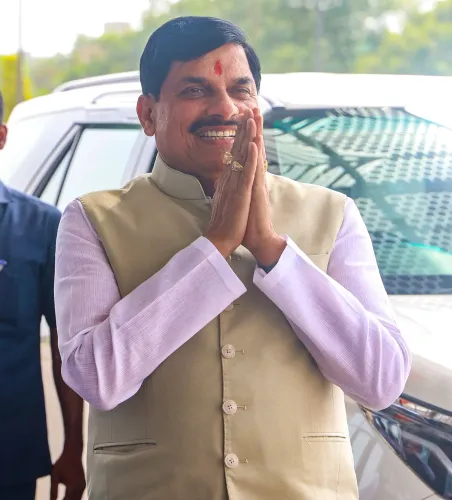
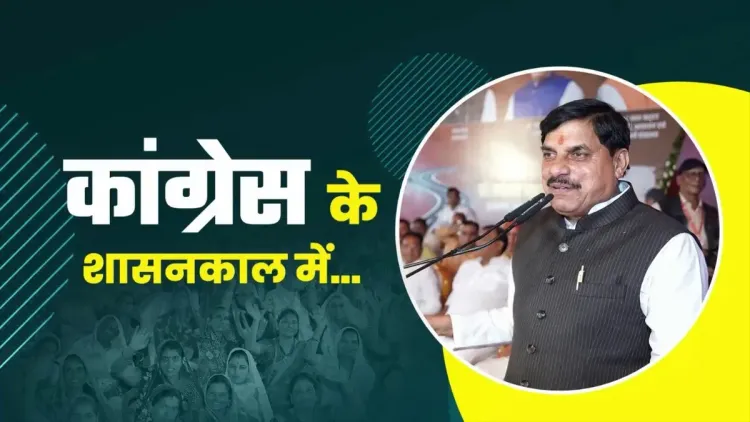
Madhya Pradesh Chief Minister Dr. Mohan Yadav on Saturday, 20 June 2026, claimed that a railway track between Fatehabad and Ujjain — removed during the Congress government's tenure — has been restored under the current BJP administration, with a double-line upgrade planned for the route in the near future.
Context
In his post on X, Dr. Mohan Yadav stated: 'Kांग्रेस के शासनकाल में फतेहाबाद से उज्जैन की रेल पटरी निकाल दी गई थी' ('During the Congress regime, the railway track from Fatehabad to Ujjain was removed'), adding that trains are now running on the route and a double line is forthcoming. The statement directly attributes the dismantling of the track to the previous Congress government in Madhya Pradesh, framing the current restoration as a BJP-led turnaround.
Ujjain, one of the holiest cities in India and a major pilgrimage destination, depends significantly on rail connectivity for the movement of devotees, traders, and daily commuters from smaller towns in western Madhya Pradesh, including Fatehabad.
Policy Backdrop
Railway line restoration and capacity augmentation in Madhya Pradesh have been recurring themes in central and state infrastructure planning since 2014, under successive NDA administrations. Track-doubling projects — which allow simultaneous two-way train movement — are prioritised to reduce bottlenecks on high-traffic corridors and improve freight and passenger throughput.
Indian Railways has progressively expanded double-line coverage across several state corridors, with state governments often co-funding or advocating for specific stretches. The Fatehabad–Ujjain corridor, if upgraded to a double line, would improve connectivity to one of the twelve Jyotirlinga shrines, a route that sees surges in traffic during festivals and the Kumbh Mela cycle.
Stakeholders and Impact
The primary beneficiaries of an operational and eventually doubled Fatehabad–Ujjain rail line are the hundreds of thousands of pilgrims, local traders, and daily-wage workers who rely on affordable rail access to Ujjain. Improved frequency and capacity on the route would reduce travel time and lower logistical costs for businesses in the region.
The political dimension is equally significant: Dr. Yadav's statement fits a well-established pattern of BJP state governments contrasting present infrastructure gains with alleged neglect under Congress rule in Madhya Pradesh, where the Congress governed for a combined period across multiple tenures before the BJP's return. Such messaging is particularly potent in constituencies where tangible infrastructure changes are visible to voters.
What's Next
The key development to watch is whether the Fatehabad–Ujjain line-doubling project receives a formal allocation in the next Indian Railways annual budget or appears in state-level progress reports on track infrastructure. An official project sanction or survey order from the Railway Ministry would convert the Chief Minister's announcement into a time-bound commitment.
For Ujjain, which is preparing for increased pilgrim footfall in coming years, rail capacity on feeder routes like Fatehabad will be a logistical priority. Dr. Mohan Yadav's statement signals that the state government intends to keep this corridor at the centre of its infrastructure narrative heading into future electoral cycles.
Point of View
The Chief Minister simultaneously claims credit and assigns blame, reinforcing a BJP electoral template that has proved effective in Madhya Pradesh. The choice of Ujjain — a city of enormous religious and symbolic weight — amplifies the message beyond routine rail policy, connecting development governance to cultural identity. The promise of a double line, however, remains unanchored to a formal budget allocation or project sanction, which means the announcement currently functions more as a political signal than a policy commitment. Analysts will watch whether the Railway Ministry follows with a project survey or funding order, which would determine whether this corridor upgrades on schedule or joins a longer queue of announced-but-pending rail projects across central India.
NationPress
19 Sept 2026
Frequently Asked Questions
Was the Fatehabad to Ujjain railway track really removed during Congress rule?
Chief Minister Dr. Mohan Yadav has publicly claimed the track was removed during the Congress government's tenure in Madhya Pradesh, but the exact timeline and circumstances of any removal have not been independently verified from established public records.
Is there currently a train running between Fatehabad and Ujjain?
According to CM Dr. Mohan Yadav's statement on 20 June 2026, train services on the Fatehabad–Ujjain route are currently operational under the BJP government, though the current operational status has not been independently confirmed in verified public records.
What is the Fatehabad–Ujjain double-line project?
A double-line upgrade would add a second parallel track to the existing single-track route between Fatehabad and Ujjain, allowing trains to run simultaneously in both directions, increasing capacity and reducing delays. CM Yadav has stated this upgrade is planned for the near future.
Why is Ujjain's rail connectivity important?
Ujjain is one of India's most significant pilgrimage cities, home to the Mahakaleshwar Jyotirlinga temple, and attracts millions of devotees annually. Reliable and high-capacity rail links on feeder routes like Fatehabad are critical for managing pilgrim traffic, especially during major religious events.
What should I watch for next on the Fatehabad–Ujjain rail project?
The key indicator will be a formal project sanction, survey order, or budget allocation from Indian Railways for the Fatehabad–Ujjain doubling work. Inclusion in the next Railway Ministry annual budget or a state infrastructure progress report would confirm the project's official status.