CM Mohan Yadav orders irrigation push across 13 MP districts
Synopsis
Madhya Pradesh CM Dr. Mohan Yadav has ordered time-bound completion of irrigation projects and directed expansion of irrigation to 6 lakh hectares across 13 districts. He also called for urgent preparations to inaugurate the Sleemanabad Tunnel linking the Narmada to the Son river.
Key Takeaways
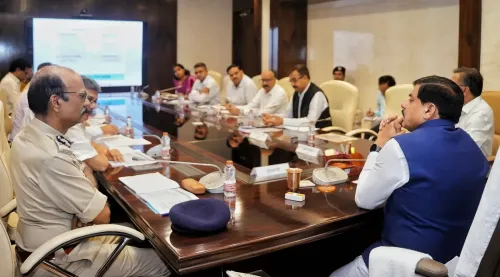
Mohan Yadav chaired a review meeting on the Water Resources and Narmada Valley Development Department on 25 June 2026 .
Officials were directed to complete all under-construction irrigation projects within stipulated deadlines.
The target for the next half-year is to expand irrigation to 6 lakh hectares across 13 districts .
Districts named include Barwani, Sehore, Shajapur, Dewas, Jhabua, Dhar, Khandwa, Khargone, Alirajpur, Rajgarh, Jabalpur, Katni and Mandla .
Auxiliary irrigation projects will be inaugurated in all 13 listed districts.
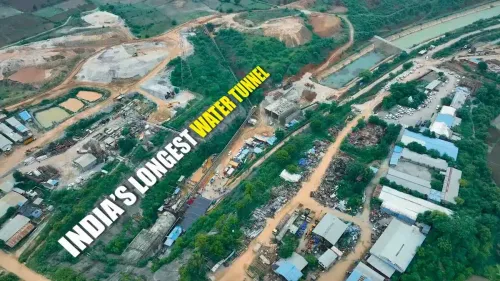
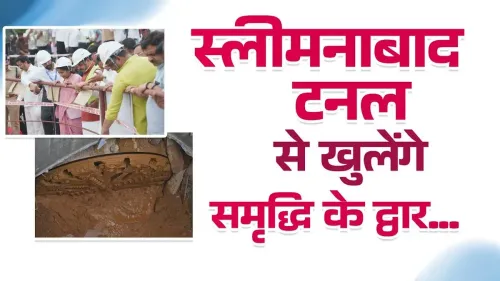
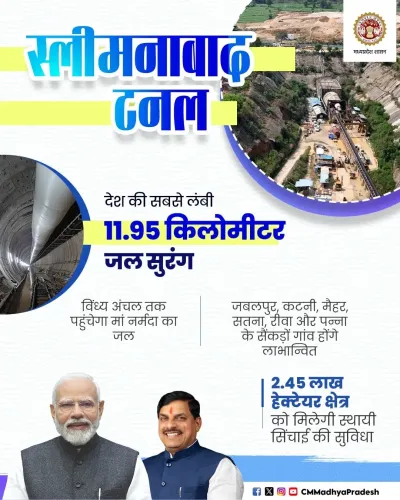
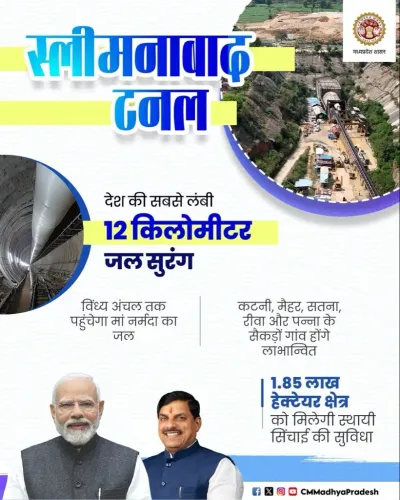
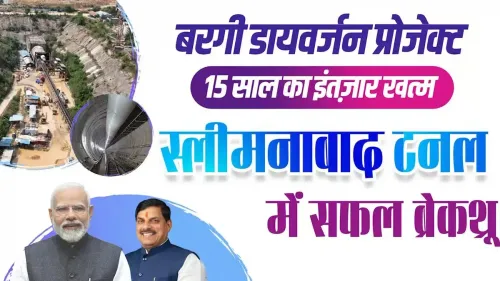
Preparations for the inauguration of the Sleemanabad Tunnel , linking the Narmada to the Son river , were ordered to be expedited.
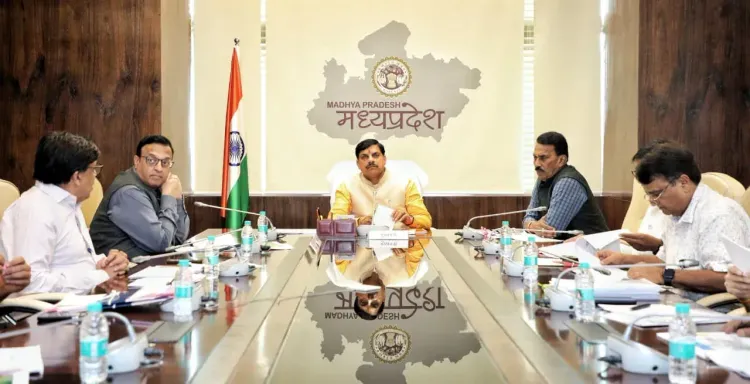
Madhya Pradesh Chief Minister Dr. Mohan Yadav on Thursday, 25 June 2026 chaired a review meeting at the state secretariat on the Water Resources and Narmada Valley Development Department, directing officials to complete all under-construction irrigation projects within their stipulated deadlines and to expand irrigation coverage across 13 districts in the next half-year.
Context
Posting on X after the meeting, Dr. Yadav stated that in the ongoing Krishak Kalyan Varsh (Farmer Welfare Year), the target for the next half-year is to extend irrigation facilities to 6 lakh hectares of agricultural land. He named Barwani, Sehore, Shajapur, Dewas, Jhabua, Dhar, Khandwa, Khargone, Alirajpur, Rajgarh, Jabalpur, Katni and Mandla as the districts where auxiliary irrigation projects will be inaugurated. He also directed officials to expedite preparations for the inauguration of the Sleemanabad Tunnel, described as a critical link connecting the waters of the Narmada to the Son river.
Policy Backdrop
The Narmada Valley Development Department is the nodal body in Madhya Pradesh overseeing water resources, irrigation infrastructure and hydropower development across the Narmada basin. The idea of inter-basin water transfer — specifically linking the Narmada to the Son river system — has been part of state and national planning discussions since the early 2000s, aimed at redistributing water from surplus to deficit river basins. The Sleemanabad Tunnel is the flagship project in this inter-basin transfer plan, intended to channel Narmada waters eastward into the Son river basin to benefit rain-shadow and drought-prone areas.
At the national level, the Pradhan Mantri Krishi Sinchayee Yojana, launched in 2015, provides a framework for accelerating irrigation infrastructure and improving water-use efficiency. The Narmada Control Authority, established in 1980, continues to regulate inter-state water sharing and project implementation across the Narmada basin, within which Madhya Pradesh holds the largest share of allocated water.
Stakeholders and Impact
The primary beneficiaries of the proposed expansion are farmers across the 13 listed districts, several of which — including Jhabua, Alirajpur, Dhar and Mandla — are tribal-majority and drought-prone regions that have historically lagged in irrigated area coverage. An increase of 6 lakh hectares under irrigation would allow farmers in these regions to shift towards higher-value crops and reduce dependence on monsoon rainfall. The Narmada-Son link via the Sleemanabad Tunnel is expected to particularly benefit the eastern districts of Jabalpur, Katni and Mandla.
State governments and agricultural economists have consistently identified assured irrigation as the single largest factor in raising farm incomes in Madhya Pradesh, which has seen significant growth in wheat and soybean output in irrigated zones over the past decade.
What's Next
Officials have been directed to fast-track preparations for the inauguration of the Sleemanabad Tunnel and to carry out the formal opening of auxiliary irrigation projects across the 13 districts in the coming months. The next state irrigation review meeting is expected to assess progress against the 6 lakh hectare coverage target. Any revision in project timelines or supplementary budget allocations will be closely watched as indicators of the administration's ability to deliver on its Krishak Kalyan Varsh commitments before the year ends.
Point of View
Lending political urgency to what are essentially administrative targets. The Sleemanabad Tunnel, if inaugurated, would mark a significant milestone in Madhya Pradesh's decades-old inter-basin water transfer ambitions and could strengthen the BJP's outreach to tribal and rain-shadow farming communities ahead of future electoral cycles. The focus on time-bound delivery also reflects a broader pattern under Dr. Yadav's administration of using review meetings as visible accountability mechanisms. Whether the targets translate into actual water reaching farms will depend on last-mile infrastructure and departmental execution capacity.
NationPress
24 Sept 2026
Frequently Asked Questions
What did CM Mohan Yadav announce for irrigation in Madhya Pradesh?
Chief Minister Dr. Mohan Yadav directed officials to expand irrigation facilities to 6 lakh hectares across 13 districts in the next half-year and to complete all under-construction irrigation projects on time.
Which 13 districts will get new irrigation projects in Madhya Pradesh?
The 13 districts are Barwani, Sehore, Shajapur, Dewas, Jhabua, Dhar, Khandwa, Khargone, Alirajpur, Rajgarh, Jabalpur, Katni and Mandla, where auxiliary irrigation projects will be inaugurated.
What is the Sleemanabad Tunnel?
The Sleemanabad Tunnel is a major infrastructure project in Madhya Pradesh designed to transfer water from the Narmada river to the Son river, expanding irrigation coverage in eastern parts of the state.
What is Krishak Kalyan Varsh in Madhya Pradesh?
Krishak Kalyan Varsh, or Farmer Welfare Year, is a state government initiative under which Madhya Pradesh is prioritising agricultural and irrigation development for farmers across the state.
How does the Narmada-Son river link help farmers?
Linking the Narmada to the Son river via the Sleemanabad Tunnel would channel surplus water into the Son basin, benefiting farmers in eastern Madhya Pradesh districts that are prone to drought and water scarcity.