CM Mohan Yadav: Sleemanabad Tunnel to irrigate 2.45 lakh hectares
Synopsis
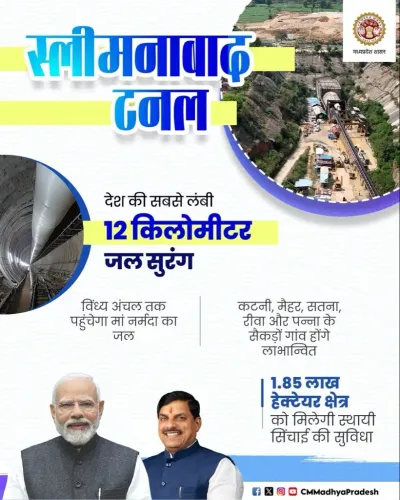
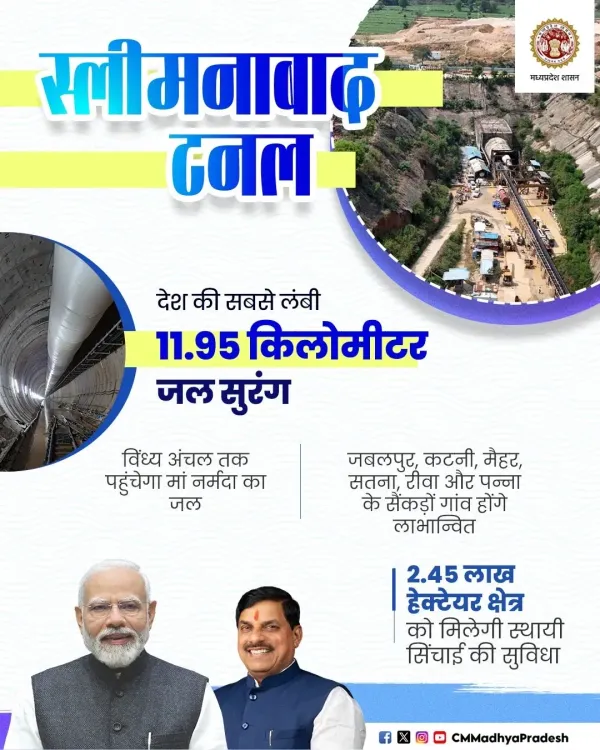
The Chief Minister's Office of Madhya Pradesh has announced the Sleemanabad Tunnel will channel Narmada river waters to the Vindhya plateau, providing permanent irrigation to 2.45 lakh hectares of farmland and ending a long-standing water deficit in eastern MP.
Key Takeaways
The Sleemanabad Tunnel will carry Narmada river water to the Vindhya region of eastern Madhya Pradesh.
The project will provide permanent irrigation to 2.45 lakh hectares of agricultural land.
The announcement was made by the official Chief Minister's Office of Madhya Pradesh on 17 July 2026 , tagging CM Dr.
The Vindhya plateau — including districts like Rewa and Satna — has historically faced acute irrigation deficits due to its location beyond the Narmada valley's natural command area.
The project aligns with Madhya Pradesh 's long-standing policy of extending Narmada water access to drier plateau regions through engineered tunnel and lift infrastructure.
Completion could serve as a model for further water transfer schemes into Bundelkhand and other rain-shadow districts of the state.
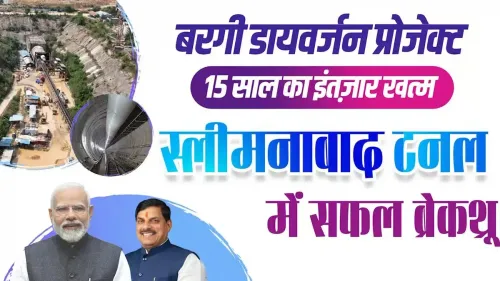
The Chief Minister's Office of Madhya Pradesh announced on Friday, 17 July 2026, that the Sleemanabad Tunnel project will carry Narmada river waters to the Vindhya region, bringing permanent irrigation to 2.45 lakh hectares of farmland across the historically water-scarce plateau.
Context
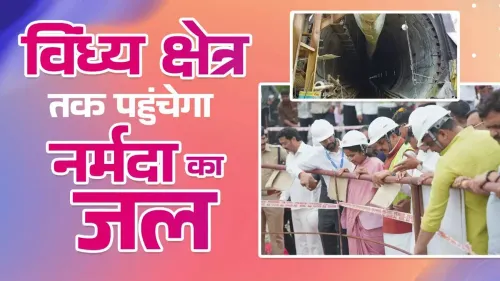
The post by the official account of the Chief Minister's Office, tagging Chief Minister Dr. Mohan Yadav, declared: 'अब विंध्य अंचल तक पहुंचेगा मां नर्मदा का जल' ('Now the waters of Mother Narmada will reach the Vindhya region'). The announcement frames the tunnel as a landmark step toward ending the long-standing irrigation deficit in eastern Madhya Pradesh, covering plateau districts that have historically depended on rain-fed agriculture.
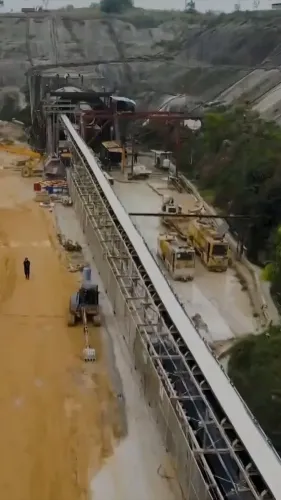
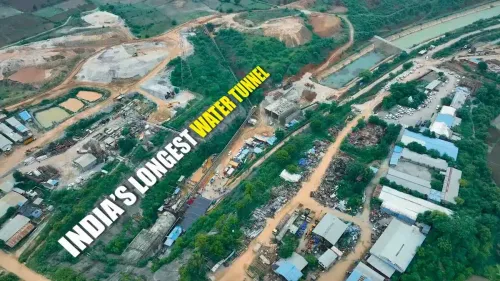
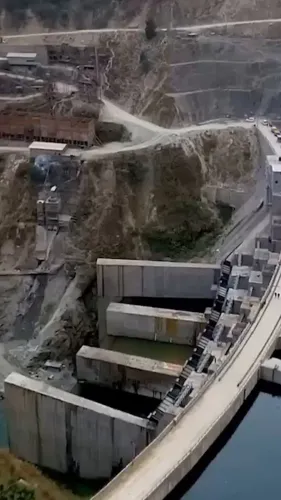
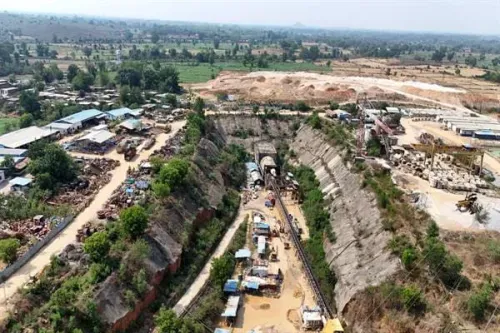
The Vindhya region — encompassing districts such as Rewa and Satna — sits beyond the natural command area of the Narmada valley. Conveying water uphill and across the plateau requires engineered tunnel infrastructure, making the Sleemanabad Tunnel a technically significant undertaking for the state.
Policy Backdrop
Madhya Pradesh's push to extend Narmada waters beyond the main river valley has deep roots. The Sardar Sarovar Project, whose planning began in 1979, established the foundational legal and engineering framework for Narmada water sharing and canal networks serving the state. Successive governments have built on that framework through lift schemes and tunnels designed to reach drier tracts.
At the national level, the National Perspective Plan for river interlinking (2002) and the Ken-Betwa Link agreements (2014–2021) set precedents for moving surplus basin water to water-scarce regions of central India. The Sleemanabad Tunnel fits within this broader pattern of multipurpose river-valley infrastructure aimed at agricultural stabilisation and regional equity.
Chief Minister Dr. Mohan Yadav, who has led the state since December 2023, has consistently prioritised water infrastructure as a pillar of agricultural growth in Madhya Pradesh.
Stakeholders and Impact
The primary beneficiaries are farming communities across 2.45 lakh hectares in the Vindhya plateau, who currently rely heavily on monsoon rains for cultivation. Permanent canal-fed irrigation would allow year-round cropping, potentially enabling a shift from single-crop to double- or triple-crop cycles and raising agricultural incomes in one of the state's more economically lagging zones.
The announcement also carries political weight for the Bharatiya Janata Party government in Bhopal, as the Vindhya belt is an electorally significant constituency. Delivering visible infrastructure to this region reinforces the administration's narrative of inclusive development beyond the Narmada valley's traditional beneficiaries.
What's Next
Key milestones to watch include progress on tunnel boring and the construction of associated canal linkages, as well as any revised completion schedule and the timeline for the first actual water release to the 2.45 lakh hectare command area. State budget allocations and any central government funding releases under irrigation or river-interlinking heads will determine how quickly the project moves from announcement to delivery.
If completed as envisioned, the Sleemanabad Tunnel could become a template for extending Narmada water access further into Bundelkhand and other rain-shadow districts of Madhya Pradesh, reinforcing the state's position as a model for inland water resource management in peninsular India.
Point of View
A region that has long felt left behind by Narmada-era development. By framing the project as delivering 'permanent irrigation,' the CM's office is making a durable electoral and developmental promise to a belt that carries significant political weight. The move fits a broader pattern of state governments using river-interlinking and tunnel infrastructure to demonstrate regional equity, especially ahead of electoral cycles. Whether the promise translates into water-on-field will depend on budget follow-through and engineering execution — the metrics that will define CM Dr. Mohan Yadav's infrastructure legacy.
NationPress
15 Oct 2026
Frequently Asked Questions
What is the Sleemanabad Tunnel in Madhya Pradesh?
The Sleemanabad Tunnel is an irrigation infrastructure project in Madhya Pradesh designed to convey water from the Narmada river to the Vindhya plateau region, which lies beyond the river's natural command area.
How much land will the Sleemanabad Tunnel irrigate?
According to the Chief Minister's Office of Madhya Pradesh, the tunnel will bring permanent irrigation to 2.45 lakh hectares of agricultural land in the Vindhya region.
Which districts benefit from the Sleemanabad Tunnel?
The project primarily targets the Vindhya plateau districts of eastern Madhya Pradesh, including areas such as Rewa and Satna, which have historically faced irrigation deficits.
Who announced the Sleemanabad Tunnel project?
The official Chief Minister's Office of Madhya Pradesh announced the project on 17 July 2026, tagging Chief Minister Dr. Mohan Yadav in the post.
How does the Sleemanabad Tunnel relate to Narmada river projects?
It is part of Madhya Pradesh's long-standing policy of extending Narmada water beyond the main valley through tunnels and lift schemes, building on the framework established by the Sardar Sarovar Project and national river-interlinking plans.