Sleemanabad tunnel nears completion after 17 years; CM Yadav to review final phase
Synopsis
After 17 years, a cost overrun from ₹799 crore to ₹1,610 crore, and geological battles with marble, limestone, and underground water, Madhya Pradesh's Sleemanabad tunnel is finally 96.66% done. When complete, it will irrigate 2.45 lakh hectares across six districts — a delayed but potentially transformative water infrastructure win for the Vindhya and Mahakaushal regions.
Key Takeaways
The Sleemanabad water tunnel in Madhya Pradesh has entered its final phase after nearly 17 years of construction.
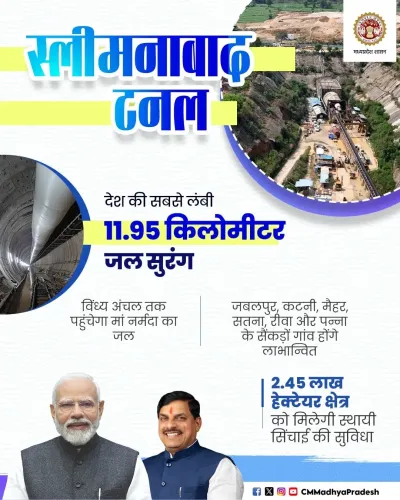
The 11.952-km tunnel is part of the Bargi Diversion Project and will irrigate approximately 2.45 lakh hectares across 1,450 villages in six districts.
Project cost has escalated from ₹799 crore (approved in 2008 ) to ₹1,610.47 crore due to geological hurdles.
96.66% of physical work is complete; only 188 metres of canal construction remain.
Irrigation to be extended to 87,433 hectares by December 2026 and 1.55 lakh hectares by December 2027 .
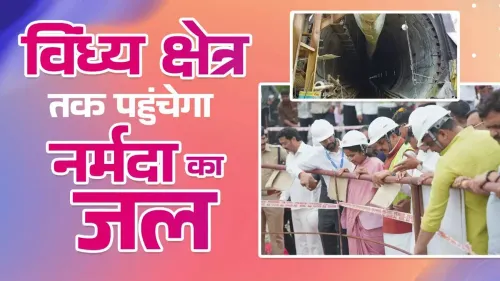
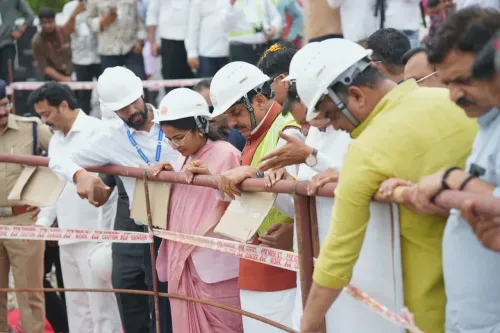
Chief Minister Mohan Yadav is scheduled to inspect the Katni site on Friday, 18 July 2025 .
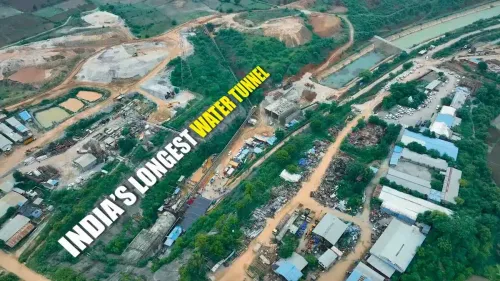
The Sleemanabad water tunnel in Madhya Pradesh, one of the state's longest-delayed irrigation projects, has entered its final phase after nearly 17 years of construction. Chief Minister Mohan Yadav is scheduled to inspect the site in Katni district on Friday, 18 July 2025, as the project moves toward completion.
What the Project Covers
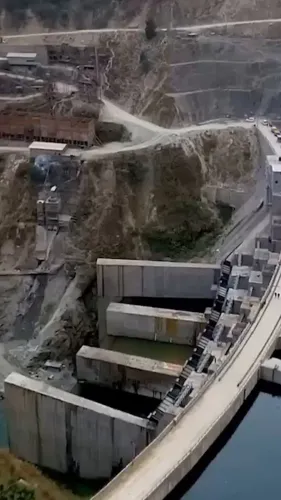
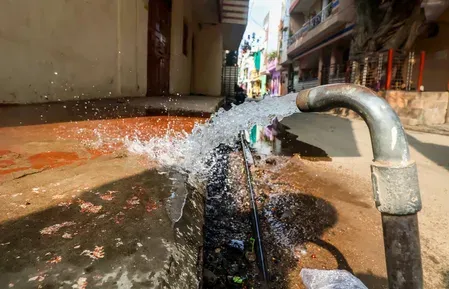
The 11.952-km tunnel, developed by the Narmada Valley Development Authority (NVDA) under the Bargi Diversion Project, is designed to carry Narmada river water through the Vindhya range into the Son river basin using gravity flow. Once fully operational, it is expected to create permanent irrigation potential for approximately 2.45 lakh hectares across nearly 1,450 villages in Jabalpur, Katni, Maihar, Satna, Rewa, and Panna districts.
Why It Took 17 Years
Approved in 2008 at an estimated cost of ₹799 crore, the project ran into severe geological obstacles almost immediately. Hard marble and limestone formations, underground cavities, and heavy water seepage repeatedly stalled progress, forcing cost escalation. The total expenditure has now risen to ₹1,610.47 crore — more than double the original estimate.
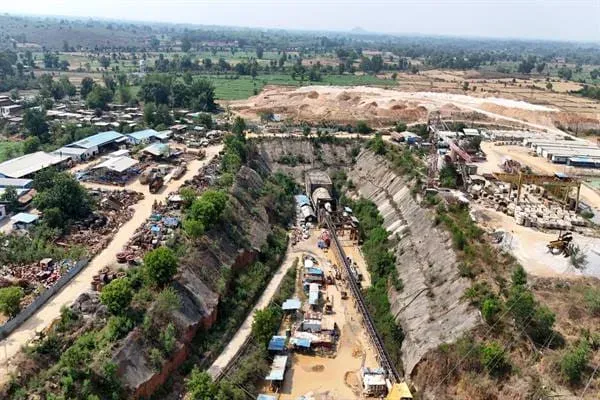
To overcome these challenges, specialised tunnelling equipment was deployed, including a German tunnel boring machine, along with chemical grouting and high-capacity dewatering systems. The tunnel also passes beneath populated areas, a national highway, and active railway tracks — adding further complexity to the engineering work.
Current Status and Remaining Work
According to a state government statement, 96.66 per cent of the physical work under the contract has been completed. The main tunnel and a 12.135-km open canal are already finished. Only 188 metres remain in a canal section being constructed through the cut-and-cover method.
'The project is now in its final stage and will play a crucial role in expanding irrigation facilities in the Vindhya and Mahakaushal regions,' Chief Minister Mohan Yadav said in the government statement.
Phased Irrigation Rollout
Irrigation potential for approximately 44,160 hectares has already been created under subsequent phases. The state government plans to extend coverage to an additional 87,433 hectares by December 2026, and to around 1.55 lakh hectares by December 2027. Full coverage of the 2.45 lakh hectare command area will follow completion of the entire canal distribution network.
'The state government has been closely monitoring the project so that its benefits reach farmers at the earliest,' Yadav added.
What This Means for the Region
The Vindhya and Mahakaushal regions have historically struggled with rain-fed agriculture and limited assured irrigation. This project, once fully commissioned, would mark a structural shift in water access for farmers across six districts. Notably, this is among the most expensive per-kilometre irrigation tunnels in Madhya Pradesh's recent infrastructure history, reflecting both the scale of the geological challenge and the cost of prolonged delays.
With CM Yadav's inspection expected to set a final completion timeline, the project's long-awaited commissioning could define a significant agricultural policy milestone for the state government.
Point of View
610 crore — is not incidental to this project; it is the story. Geological surprises are unavoidable in tunnel engineering, but 17 years of delays also reflect gaps in pre-construction geological surveys and contract management that have plagued large irrigation works across India. The phased irrigation rollout plan, ending only in December 2027 at the earliest for a meaningful portion of the command area, means farmers in Jabalpur and Panna are still years away from full benefit. The CM's inspection today is politically significant ahead of any state electoral cycle, but the harder accountability question is whether the canal distribution network — historically the last-mile failure point in Indian irrigation projects — will be funded and built on schedule.
NationPress
15 Oct 2026
Frequently Asked Questions
What is the Sleemanabad water tunnel in Madhya Pradesh?
The Sleemanabad water tunnel is an 11.952-km irrigation tunnel in Katni district, Madhya Pradesh, built under the Bargi Diversion Project by the Narmada Valley Development Authority. It is designed to carry Narmada river water through the Vindhya range into the Son river basin, creating irrigation potential for 2.45 lakh hectares across six districts.
Why did the Sleemanabad tunnel take 17 years to build?
The project, approved in 2008, encountered severe geological challenges including hard marble and limestone formations, underground cavities, and heavy water seepage. These hurdles required specialised equipment such as a German tunnel boring machine and chemical grouting systems, leading to prolonged delays and a cost escalation from ₹799 crore to ₹1,610.47 crore.
How much of the Sleemanabad tunnel project is complete?
As of July 2025, 96.66 per cent of the physical work under the contract has been completed. The main tunnel and a 12.135-km open canal are finished; only 188 metres of a cut-and-cover canal section remain.
Which districts will benefit from the Sleemanabad tunnel?
The project will benefit nearly 1,450 villages across Jabalpur, Katni, Maihar, Satna, Rewa, and Panna districts in Madhya Pradesh, covering a total command area of 2.45 lakh hectares once the full canal distribution network is in place.
When will farmers get full irrigation benefits from the project?
Irrigation potential for 44,160 hectares has already been created. The government plans to extend coverage to 87,433 additional hectares by December 2026 and to around 1.55 lakh hectares by December 2027. Full coverage of the 2.45 lakh hectare command area will follow completion of the entire canal distribution network.