Sleemanabad Tunnel: India's longest water tunnel nears completion in MP
Synopsis
After 17 years of drilling through marble, limestone, and underground caverns — and a cost that doubled to ₹1,610 crore — India's claimed longest water tunnel is 96.66% done. When the Sleemanabad Tunnel opens, gravity alone will push Narmada water to 2.45 lakh hectares of previously arid farmland across six Madhya Pradesh districts.
Key Takeaways
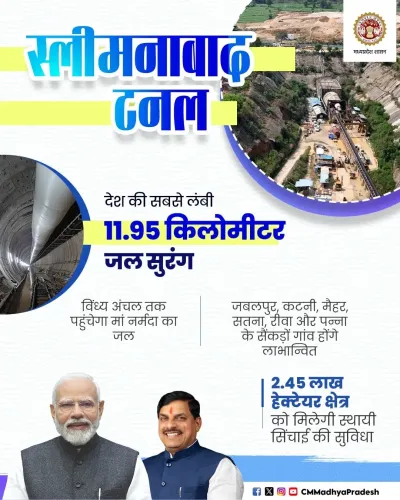
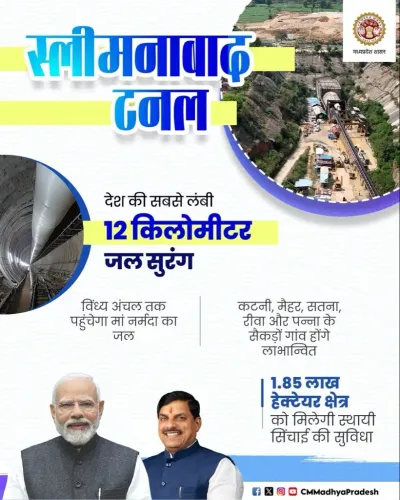
The Sleemanabad Tunnel in Katni, Madhya Pradesh , at 11.952 km , is claimed to be India's longest water tunnel and is 96.66% complete after 17 years .
Once operational, it will irrigate 2.45 lakh hectares across nearly 1,450 villages in Jabalpur, Katni, Maihar, Satna, Rewa and Panna districts.
Project cost has risen from ₹799 crore to ₹1,610.47 crore due to geological challenges and advanced technology imports.
A German Herrenknecht tunnel boring machine and TAM grouting technology were brought in after an American machine broke down.
The government targets irrigation for 87,433 hectares by December 2026 and 1,54,693 hectares by December 2027 .
Chief Minister Mohan Yadav is scheduled to visit the tunnel site in Katni on Friday.
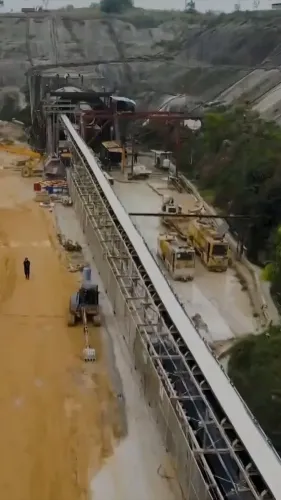
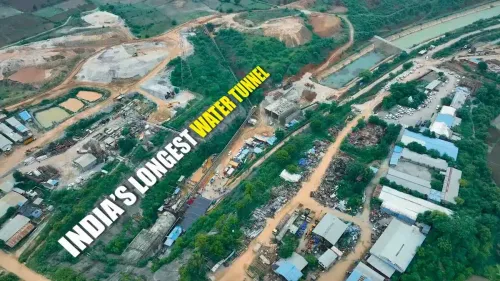
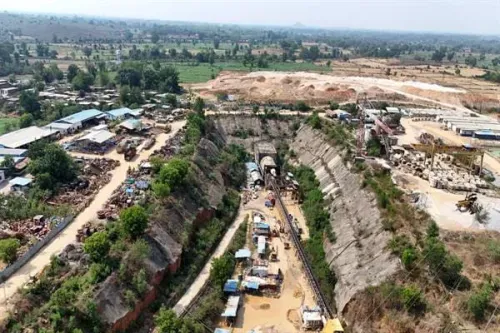
The Sleemanabad Tunnel in Katni district, Madhya Pradesh — claimed to be India's longest water tunnel at 11.952 kilometres — is on the verge of completion after 17 years of battling extraordinary geological challenges. Once operational, Narmada water will flow entirely by gravity through the tunnel to irrigate vast stretches of farmland across the Vindhya and Mahakaushal regions.
What the Sleemanabad Tunnel Will Deliver
Designed to carry Narmada water across the Vindhya mountain range into the Son River basin, the tunnel is expected to provide permanent irrigation to 2.45 lakh hectares of farmland spanning nearly 1,450 villages across six districts — Jabalpur, Katni, Maihar, Satna, Rewa, and Panna. The gravity-based system, with a tunnel diameter of 10.14 metres, will channel millions of cusecs of water without requiring electricity or heavy pumping infrastructure.
District-level benefits are substantial: Satna stands to gain irrigation cover over 1,04,970 hectares, Maihar over 54,227 hectares, and Katni over 21,823 hectares, with smaller areas in Rewa and Panna also covered.
Engineering Challenges That Defined the Project
Constructed by the Narmada Valley Development Authority (NVDA), the tunnel required boring through hard marble, limestone, dolomite, and vast underground caverns roughly 30 metres below ground level. Water ingress at rates of up to 25,000 litres per minute and repeated soil collapses made progress exceptionally difficult.
An American tunnel boring machine deployed initially broke down under these conditions. The state government subsequently imported a German Herrenknecht tunnel boring machine alongside specialised TAM grouting technology to see the project through. Notably, the tunnel passes beneath populated areas, a national highway, and railway tracks without reported structural damage.
Cost Overruns and Current Status
The project was awarded on a turnkey basis to Hyderabad-based M/s Patel-SEW Joint Venture in 2008, with an initial estimated cost of ₹799 crore. Extraordinary geological hurdles and the adoption of advanced global technology have pushed the total outlay to ₹1,610.47 crore — more than double the original estimate. Physical progress currently stands at 96.66 per cent, with the main tunnel and most canal sections already complete. Only a small portion of the cut-and-cover canal section remains.
Government Targets and Next Steps
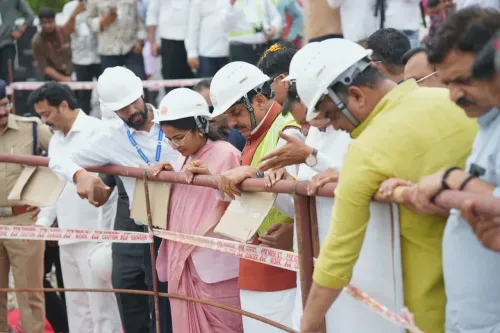
Madhya Pradesh Chief Minister Mohan Yadav is scheduled to visit the Sleemanabad Tunnel site in Katni district on Friday. Under his monitoring, subsequent project phases are reportedly progressing rapidly, with irrigation potential of 44,160 hectares already realised. The government has set targets to extend full irrigation to 87,433 hectares by December 2026 and 1,54,693 hectares by December 2027.
This milestone marks a significant turning point for water access in one of India's more arid agricultural belts — and a test of whether large-scale infrastructure can translate into sustained agrarian transformation.
Point of View
610 crore over 17 years is a familiar story in Indian infrastructure — but the engineering case here is stronger than most. Boring through marble, limestone, and caverns 30 metres underground while managing 25,000-litre-per-minute water ingress is genuinely extraordinary. The harder question is delivery sequencing: with only 44,160 hectares of irrigation potential realised so far against a 2.45-lakh-hectare promise, the gap between tunnel completion and actual farmer benefit remains wide. The December 2026 and 2027 targets will be the real measure of this project's success — not the boring machine reaching the other side.
NationPress
15 Oct 2026
Frequently Asked Questions
What is the Sleemanabad Tunnel in Madhya Pradesh?
The Sleemanabad Tunnel is an 11.952-kilometre gravity-fed water tunnel in Katni district, Madhya Pradesh, built to carry Narmada water across the Vindhya mountain range into the Son River basin. The state government claims it is the longest water tunnel in India.
How much farmland will the Sleemanabad Tunnel irrigate?
The tunnel is designed to irrigate 2.45 lakh hectares of farmland across approximately 1,450 villages in six districts — Jabalpur, Katni, Maihar, Satna, Rewa, and Panna. It will benefit the Vindhya and Mahakaushal agricultural regions.
Why did the project cost double from its original estimate?
The original project cost was estimated at ₹799 crore when it was awarded in 2008. Extraordinary geological conditions — including hard marble, limestone, underground caverns, and water ingress of up to 25,000 litres per minute — along with the need to import a German Herrenknecht tunnel boring machine and TAM grouting technology pushed the total cost to ₹1,610.47 crore.
How close is the Sleemanabad Tunnel to completion?
Physical progress on the project stands at 96.66 per cent as of July 2025. The main tunnel and most canal sections are complete; only a small cut-and-cover canal section remains. Chief Minister Mohan Yadav is scheduled to visit the site on Friday.
When will farmers start receiving Narmada water through the tunnel?
The government has set a target to provide full irrigation to 87,433 hectares by December 2026 and 1,54,693 hectares by December 2027. An irrigation potential of 44,160 hectares has already been realised under subsequent project phases.