CM Mohan Yadav Directs Districts on Sugam Parivahan Bus Ops

Synopsis
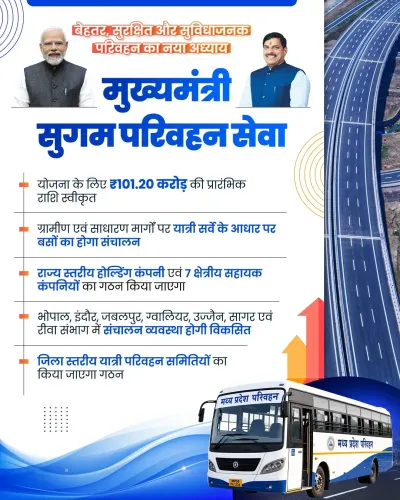
MP Chief Minister Dr. Mohan Yadav issued operational directives to district collectors and SPs at the Mantralaya to strengthen Sugam Parivahan Seva, targeting 14,981 buses in five years, with reactivation of closed depots and regular private-bus inspections.
Key Takeaways
Mohan Yadav chaired a Mantralaya briefing for district collectors and police superintendents on September 30, 2026 .
The directives cover route management, reactivation of closed depots and terminals , and development of new stops and bus stands where needed.
Regular inspection of private bus fitness, permits, and driver conduct has been made mandatory across districts.
Station-house and traffic police are to be actively integrated into bus operations coordination.
The state has set a target of operating 14,981 buses under the scheme over the next five years .
Already-operational buses meeting fitness standards will be absorbed into the scheme immediately to accelerate service delivery.
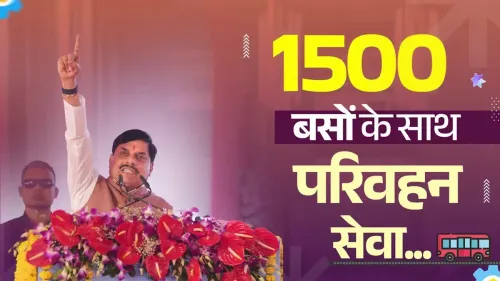
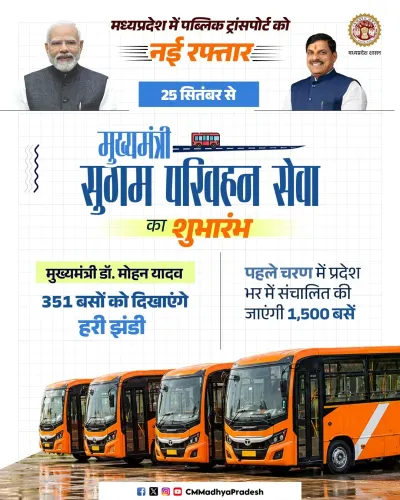
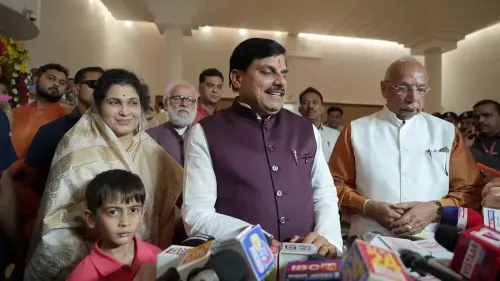
Madhya Pradesh Chief Minister Dr. Mohan Yadav has put the state's district machinery on notice — collectors and police superintendents across Madhya Pradesh received direct, operational directives at the Mantralaya on Wednesday, September 30, 2026, to make the Mukhya Mantri Sugam Parivahan Seva — the state's organised district-level bus service — work on the ground, not just on paper.
What the Mantralaya order spells out
The instructions are granular and operational. District administrations have been told to actively support both citizens and bus operators, ensure smooth running on existing routes, and — critically — reactivate closed depots and terminals that have fallen out of use. Where infrastructure is missing, collectors are directed to develop new stops and bus stands at locations of genuine need.
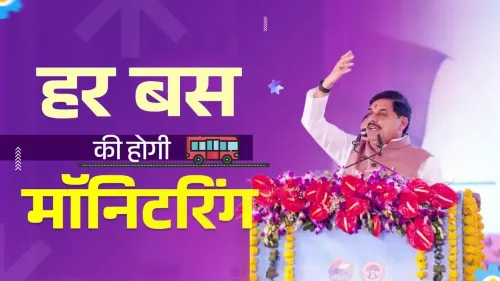
On the enforcement side, regular inspection of private buses for fitness, valid permits, and driver conduct has been made mandatory. Buses must run in a disciplined manner as per their permit conditions — a direct signal that the state will not tolerate ghost routes or overloaded vehicles. Both station-house and traffic police have been brought into the coordination chain to ensure unobstructed operations.
The 14,981-bus target anchoring the plan
The headline number is ambitious: CM Yadav has set a target of operating 14,981 buses across the state within the next five years. To accelerate that ramp-up, the scheme will also draw on buses already in service that meet fitness standards — meaning the government is not waiting for an entirely fresh fleet to deliver results.
This is a textbook example of the multi-agency model India's state governments use to plug mobility gaps: transport, revenue, and police departments working under a single administrative direction rather than in separate silos. The reactivation of closed depots is particularly pointed — idle infrastructure converted to working assets is a low-cost, high-impact first step before new capital spending kicks in.
Why coordination is the real test
CM Yadav's explicit call for 'coordination between all relevant agencies in the public interest' reflects a hard-learned lesson in transport governance — schemes fail not at the policy stage but at the inter-agency seam. By putting collectors and SPs in the same briefing room and issuing unified directions, the Chief Minister is trying to close that gap before it opens.
The five-year horizon on the bus target gives the scheme political accountability across an electoral cycle. Progress on depot reactivation, new bus-stand construction, and the fitness-inspection regime will now be the metrics by which the Sugam Parivahan Seva's real reach is measured — one route, one stop, and one functional terminal at a time.
Point of View
CM Yadav is signalling that the Sugam Parivahan Seva is a political priority, not an administrative formality. The 14,981-bus target stretches across a full electoral cycle, making it a measurable accountability marker for the BJP government in Madhya Pradesh. The emphasis on reactivating idle depots — infrastructure the state already owns — suggests a cost-conscious rollout strategy ahead of capital-intensive fleet expansion. Multi-agency coordination mandates of this kind tend to succeed when district leadership treats them as standing directives rather than one-time instructions — that continuity will be the real test of the scheme's durability.
NationPress
30 Sept 2026
Frequently Asked Questions
What is Mukhya Mantri Sugam Parivahan Seva in Madhya Pradesh?
It is a Madhya Pradesh government initiative to organise district-level bus operations under the Chief Minister's office, aimed at providing structured and reliable public bus services to citizens across the state.
How many buses does Madhya Pradesh plan to run under Sugam Parivahan Seva?
CM Dr. Mohan Yadav has set a target of operating 14,981 buses under the scheme over the next five years, including existing fit buses already in service.
What did CM Mohan Yadav direct collectors and SPs to do for bus operations?
He directed them to ensure smooth operation on existing routes, reactivate closed depots and terminals, develop new bus stops where needed, conduct regular fitness and permit inspections of private buses, and coordinate with traffic and station-house police.
Will new buses be bought or will existing buses be used under Sugam Parivahan Seva?
The scheme will use both: the five-year target includes fresh fleet expansion, but already-operational buses that meet fitness standards are being absorbed immediately to begin service without delay.
Why are closed bus depots being reactivated in Madhya Pradesh?
CM Yadav directed that idle depots and terminals be made functional again as a cost-efficient way to expand bus service infrastructure quickly, before new capital-funded terminals are built.