CM Mohan Yadav Unveils Sardar Patel Statue in Betul
Synopsis
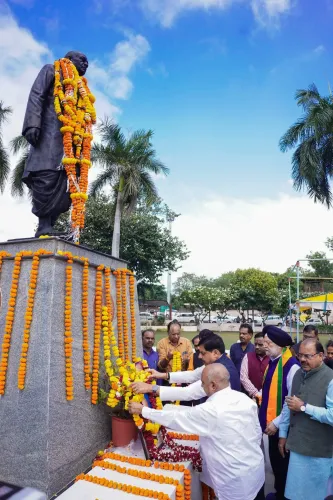
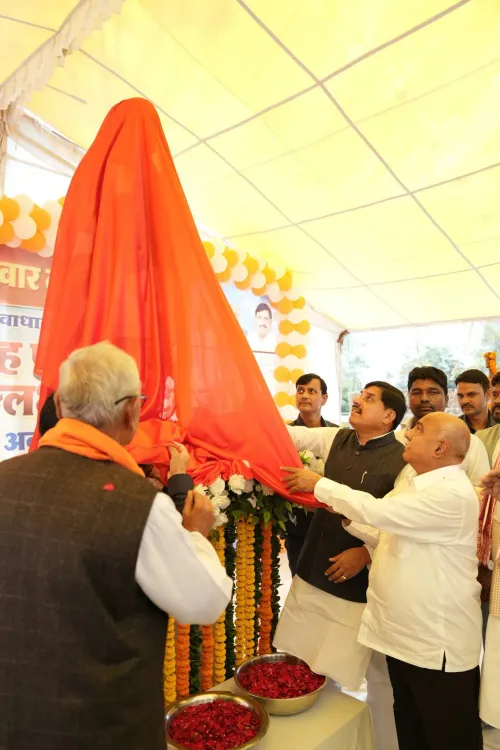
Madhya Pradesh CM Dr. Mohan Yadav unveiled a statue of Sardar Vallabhbhai Patel at Badora village in Betul district on National Unity Day, 31 October 2026, alongside Union MoS Dular Singh Uikey and MP BJP chief Hitanand Khandelwal, honouring the architect of India's post-independence integration.
Key Takeaways
Mohan Yadav unveiled a statue of Sardar Vallabhbhai Patel at Badora village, Betul district on 31 October 2026 .
The event was held on Rashtriya Ekta Diwas , observed annually on Patel's birth anniversary since 2014 .
Senior BJP leaders — Union MoS Dular Singh Uikey and MP BJP State President Hitanand Khandelwal — joined the ceremony.
Patel integrated 565 princely states into the Indian Union after independence, earning the title 'Iron Man of India'.
The unveiling reflects a consistent BJP pattern of honouring Patel through statue installations and unity events across states.
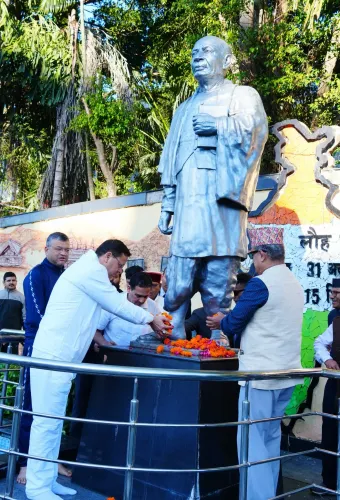
On the 151st birth anniversary of Sardar Vallabhbhai Patel — observed nationally as Rashtriya Ekta Diwas — Madhya Pradesh Chief Minister Dr. Mohan Yadav travelled to Badora village in Betul district to unveil a statue of the 'Iron Man of India', paying tribute alongside senior BJP colleagues on 31 October 2026.
A village in Betul honours the Iron Man
Standing before a fresh statue in a village tucked in southern Madhya Pradesh's tribal belt, Dr. Yadav was joined by Union Minister of State Dular Singh Uikey and Madhya Pradesh BJP State President Hitanand Khandelwal for the unveiling ceremony. The Chief Minister paid his respects and called Patel's contribution to national unity 'unparalleled', saying his resolve would continue to inspire every Indian. 'Loh Purush' — the Iron Man — is the epithet Patel earned for the sheer will with which he stitched together a fractured subcontinent.
The man behind the marble: what Patel actually did
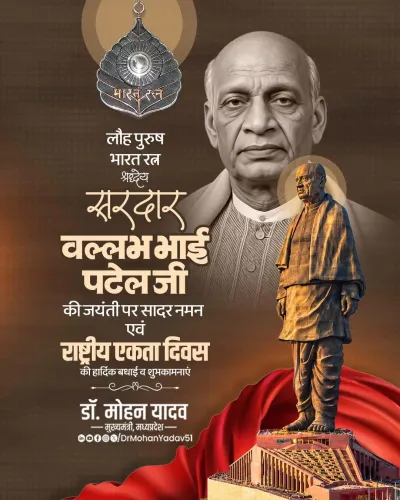
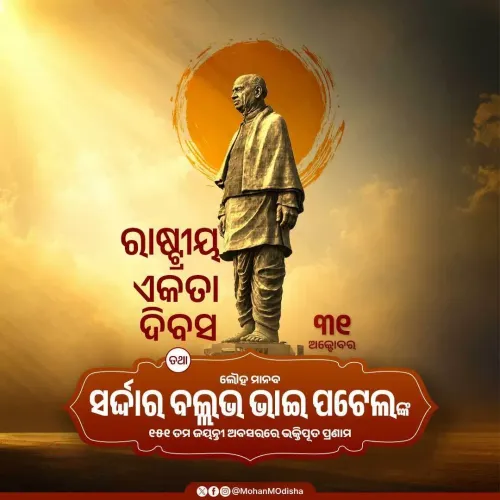
Sardar Vallabhbhai Patel, India's first Deputy Prime Minister and Home Minister, engineered the accession of 565 princely states into the Indian Union after independence in 1947 — a feat of political diplomacy and, where necessary, firm resolve that defined the physical shape of modern India. Without that integration, the map of the subcontinent would look very different today. His birth anniversary, 31 October, was designated Rashtriya Ekta Diwas (National Unity Day) in 2014, and has since been marked by governments across the country with statue installations, unity marches, and public ceremonies.
BJP's consistent thread: stone, ceremony, and national integration
The Badora unveiling fits a deliberate and consistent pattern: BJP-led state and central governments have made the commemoration of Patel a signature of their governance philosophy, linking his legacy of integration to contemporary ideas of national unity. Madhya Pradesh, with its vast geography and diverse tribal districts like Betul, regularly hosts such ceremonies — placing Patel's image in village squares as a statement about shared national identity reaching beyond urban centres. For local communities in Betul, the statue is both a civic landmark and a moment of recognition.
As National Unity Day is observed from Kanyakumari to Kashmir, the message from a small village in central India is the same one Patel himself sent in 1947: unity is not inherited — it is built, stone by stone.
Point of View
The party signals that national integration is a ground-level, grassroots commitment rather than an elite enterprise. Betul's tribal geography makes the choice of location pointed — it extends the iconography of unity to communities historically on the margins of such symbolic gestures. At the same time, the consistent annual cadence of National Unity Day events has transformed Patel's legacy from a contested historical debate into settled commemorative ritual, a significant shift in how post-independence iconography is contested and owned in Indian politics.
NationPress
31 Oct 2026
Frequently Asked Questions
Why is 31 October celebrated as National Unity Day in India?
31 October is the birth anniversary of Sardar Vallabhbhai Patel , and the day has been observed as Rashtriya Ekta Diwas (National Unity Day) since 2014 to honour his role in unifying India after independence.
What did Sardar Vallabhbhai Patel do for India?
Sardar Vallabhbhai Patel , India's first Deputy Prime Minister, oversaw the accession of 565 princely states into the Indian Union after 1947 , earning him the title 'Iron Man of India' and credit for defining the country's modern territorial boundaries.
Where is Badora village located?
Badora is a village in Betul district , located in the southern part of Madhya Pradesh , a region known for its significant tribal population.
Who attended the Sardar Patel statue unveiling in Betul with CM Mohan Yadav?
Union Minister of State Dular Singh Uikey and Madhya Pradesh BJP State President Hitanand Khandelwal joined CM Dr. Mohan Yadav at the unveiling ceremony in Badora village.
Why does BJP install Sardar Patel statues across India?
BJP-led governments have consistently commemorated Sardar Patel through statue installations and unity events, connecting his legacy of post-independence national integration to the party's governance philosophy and emphasis on national unity.