CM Yogi flags ₹2,000 Cr Escort Kubota plant, 4,000 jobs in UP
Synopsis
CM Yogi Adityanath announced the ₹2,000 crore-plus Escort Kubota project in Uttar Pradesh, with Phase 1 targeting 60,000 tractors and 15,000 construction equipment units annually and an estimated 4,000 new jobs — part of UP's push to build an industrial manufacturing base.
Key Takeaways
The Escort Kubota project carries an investment of over ₹2,000 crore in Uttar Pradesh.
Phase 1 proposes annual production capacity of 60,000 tractors and 15,000 construction equipment units .
Approximately 4,000 direct jobs are projected to be created under the project.
Escort Kubota is a joint venture between India's Escorts Ltd and Japan's Kubota Corporation , a global agri-machinery leader.
The project aligns with UP's Industrial Investment and Employment Promotion Policy 2022 , which offers incentives for large-scale manufacturing.
Key milestones to watch: land acquisition completion, first-phase commissioning, and verified hiring numbers.
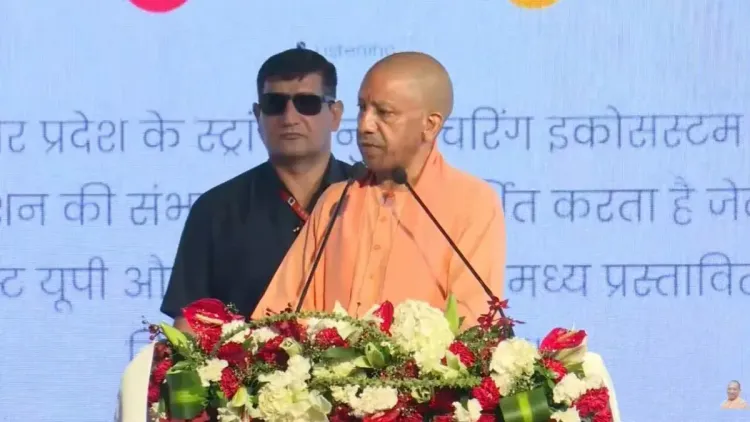
A Japanese-Indian manufacturing alliance is putting down serious roots in Uttar Pradesh. Uttar Pradesh Chief Minister Yogi Adityanath on Wednesday, 19 August 2026 announced that the Escort Kubota project, valued at over ₹2,000 crore, is projected to generate approximately 4,000 jobs — with the first phase alone targeting annual production of 60,000 tractors and 15,000 units of construction equipment.
60,000 tractors a year: what the first phase means
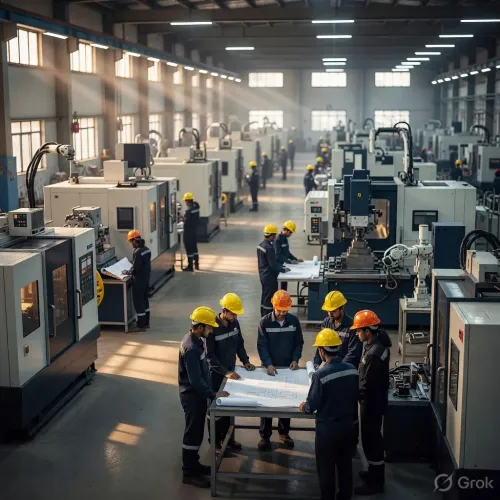
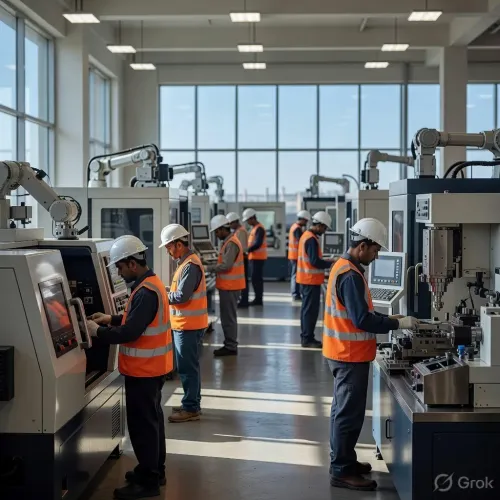
The Chief Minister's post outlined the scale of Phase 1 in concrete terms: a dual-track production line covering both farm machinery and heavy construction equipment. Quoting his announcement, CM Yogi said the project 'has developed the potential to create approximately 4,000 jobs, with a proposed capacity to produce 60,000 tractors and 15,000 construction equipment units per year in its first phase.'
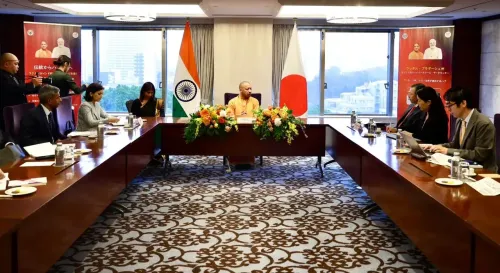
Escort Kubota is a joint venture between India's Escorts Ltd and Japan's Kubota Corporation, one of the world's largest manufacturers of agricultural and construction machinery. Kubota's entry deepens Japanese industrial capital's footprint in India's farm-equipment segment at a time when demand for mechanised agriculture is accelerating across the Indo-Gangetic plain.
UP's industrial pitch beyond the auto corridor
The investment fits a deliberate pattern. Uttar Pradesh has been courting large-scale manufacturers — particularly in agro-machinery and heavy equipment — to build an industrial base outside India's traditional auto hubs in Pune, Chennai, and Gurugram. The state's Industrial Investment and Employment Promotion Policy 2022 offers structured incentives for exactly this category of project: capital-intensive, employment-generating, and technology-rich.
Japanese firms have been a specific target of UP's outreach, given their strengths in precision manufacturing and farm technology. A ₹2,000-crore-plus commitment from a Japan-backed entity signals that the pitch is landing.
What the 4,000-job number actually represents
The figure of 4,000 direct jobs in Phase 1 is significant in a state where manufacturing employment has historically lagged its demographic weight. Tractor and construction equipment plants typically generate dense supply-chain ecosystems — component suppliers, logistics operators, ancillary fabricators — multiplying the headline number over time. Whether those downstream jobs materialise will depend on how quickly land acquisition is completed and the first production line commissioned.
Progress on those milestones — land, commissioning timeline, and actual hiring — will be the real scorecard for this announcement.
For Uttar Pradesh, a state with the country's largest labour force, every large factory that breaks ground is a data point in a longer argument: that India's most populous state can compete for industrial capital on its own terms.
Point of View
Capital-intensive project in agro-machinery is strategically smart: it speaks to UP's agrarian identity while diversifying into construction equipment, a sector tied to the state's own infrastructure boom. The 4,000-job figure, if realised, would add modest but symbolically important numbers to a state that has long punched below its weight in formal manufacturing employment. The real test is execution — how fast the plant is commissioned and whether the supply-chain ecosystem that multiplies factory jobs actually takes root.
NationPress
4 Oct 2026
Frequently Asked Questions
What is the Escort Kubota project in Uttar Pradesh?
The Escort Kubota project is a manufacturing investment of over ₹2,000 crore in Uttar Pradesh by Escort Kubota, a joint venture between India's Escorts Ltd and Japan's Kubota Corporation. Phase 1 aims to produce 60,000 tractors and 15,000 construction equipment units annually and is expected to create around 4,000 jobs.
Who is Kubota Corporation and why is it investing in UP?
Kubota Corporation is a Japan-based multinational that manufactures agricultural machinery, construction equipment, and engines. It operates in India through a joint venture with Escorts Ltd. The UP investment is part of a broader push by Japanese industrial firms into India's farm and construction machinery segment.
How many jobs will the Escort Kubota plant create in Uttar Pradesh?
The project is projected to create approximately 4,000 direct jobs in its first phase. Additional indirect employment in supply chains and ancillary industries could multiply that figure over time, though those numbers depend on project commissioning and ramp-up.
What is UP's Industrial Investment and Employment Promotion Policy 2022?
Uttar Pradesh's Industrial Investment and Employment Promotion Policy 2022 provides incentives — including capital subsidies, land support, and tax benefits — to attract large-scale manufacturing projects to the state. The Escort Kubota investment is the kind of capital-intensive project the policy was designed to attract.
What will the Escort Kubota plant produce in Uttar Pradesh?
In Phase 1, the plant is proposed to produce 60,000 tractors and 15,000 units of construction equipment per year, covering both the agricultural machinery and heavy equipment segments.