CM Yogi: 54 Vantangiya Settlements Now Get Basic Rights
Synopsis
Chief Minister Yogi Adityanath says thousands of families in 54 Vantangiya settlements now enjoy basic amenities and citizenship rights, while Musahar community members have received land leases and housing under UP government welfare programmes.
Key Takeaways
54 Vantangiya settlements in Uttar Pradesh are now covered under basic civic amenities and citizenship rights, per the CM's Office statement.
CM Yogi Adityanath featured the Vantangiya community's transformation in his personal newsletter Yogi Ki Paati .
The Musahar community , a Scheduled Caste group, has been 'fully covered' under state welfare schemes according to the government.
Musahar families have been provided land lease certificates ( bhoomi ke patte ) and housing to address landlessness.
The statement frames citizenship — not just services — as a core deliverable for these historically excluded communities.
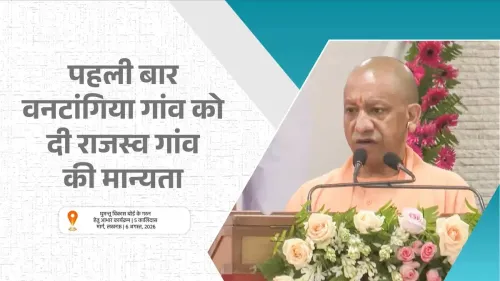
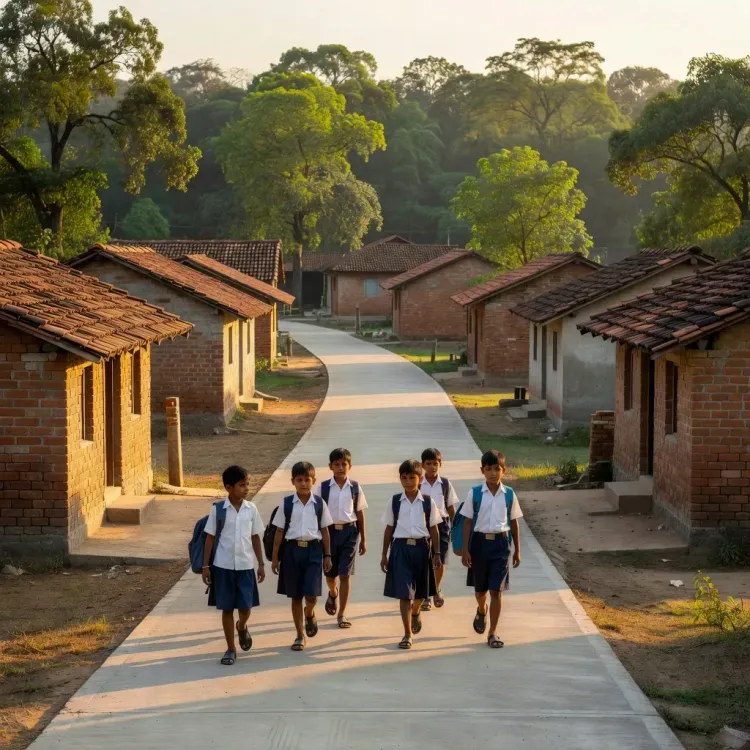
Thousands of families living in 54 Vantangiya settlements across Uttar Pradesh now have access to basic civic amenities and citizenship rights — a shift that the state government says marks the end of decades of administrative invisibility for one of India's most marginalised forest communities. The Chief Minister's Office of Uttar Pradesh shared the statement on Monday, November 16, 2026, quoting Chief Minister Yogi Adityanath directly.
From Forest Settlements to the Civil Register
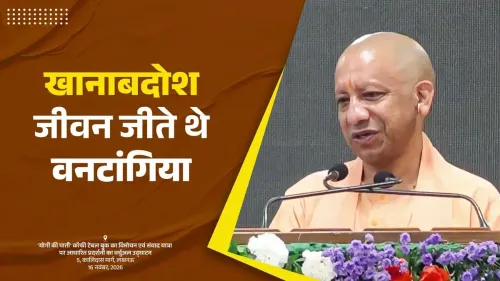
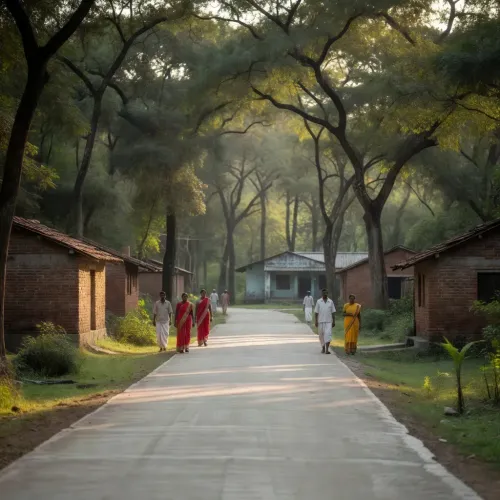
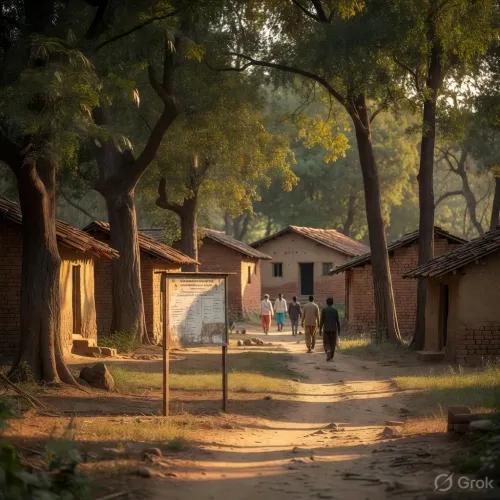
The Vantangiya community — descendants of labourers brought in under British rule to plant teak forests in the Gorakhpur belt — spent generations in a legal grey zone, farming forest land without formal recognition as residents or citizens. CM Yogi Adityanath stated, 'The Vantangiya community's 54 settlements and thousands of families today benefit from basic facilities. They have been given the right to citizenship, and I have also given their positive transformation a place in Yogi Ki Paati.' The personal newsletter reference is a signal that the administration considers this a flagship human-interest achievement, not a bureaucratic footnote.
Musahar Families: Land Leases and Homes
The statement does not stop at the Vantangiya. CM Yogi also highlighted that the Musahar community — a Scheduled Caste group concentrated in eastern UP and historically among the most economically excluded in the state — has been 'fully covered' under government welfare schemes. Land lease certificates (bhoomi ke patte) and housing have been provided to Musahar families, addressing two of the most acute sources of their vulnerability: landlessness and homelessness.
A Pattern of Rights Extension in UP
Uttar Pradesh has, over successive administrations, used land titling, housing allotments, and documentation drives to bring forest-dwelling and nomadic communities into the formal welfare system. The current government has aligned these efforts with central schemes including the Pradhan Mantri Awas Yojana and forest rights frameworks. What distinguishes the present announcement is the explicit framing of citizenship — not just services — as the deliverable, a politically and legally significant distinction for communities that have historically been left off electoral rolls and ration cards alike.
For communities that once existed outside every official list, a land lease and an address are not small things. They are the difference between being invisible to the state and being protected by it.
Point of View
The Yogi government is making a broader political claim: that formal recognition in the state's records is itself a right, not a favour. This approach aligns with a wider BJP strategy of converting historically excluded communities into active stakeholders — and voters — through documentation and asset transfer. The mention of Yogi Ki Paati also suggests a deliberate effort to build a personal, narrative-driven image around the CM's social welfare record ahead of any future electoral cycle. Whether ground-level implementation matches the announcement remains the critical open question.
NationPress
16 Nov 2026
Frequently Asked Questions
Who are the Vantangiya community in Uttar Pradesh?
The Vantangiya are a community descended from labourers brought under British colonial rule to plant teak forests, primarily in the Gorakhpur region of UP. They lived for decades on forest land without formal citizenship or civic recognition.
What benefits have Vantangiya families received under the UP government?
According to CM Yogi Adityanath, families in 54 Vantangiya settlements have received basic amenities such as roads, electricity, and water, along with formal citizenship rights including voter ID and ration card eligibility.
What is the Musahar community and what has UP government done for them?
The Musahar are a Scheduled Caste community in eastern UP, historically among the most economically marginalised groups. The UP government says it has provided them with land lease certificates and housing , and covered them under state welfare schemes.
What is 'Yogi Ki Paati'?
Yogi Ki Paati is a personal newsletter or communication initiative by CM Yogi Adityanath , in which he highlights development stories and welfare achievements from across Uttar Pradesh.
How many Vantangiya settlements are covered by UP government welfare schemes?
The Chief Minister's Office statement quotes CM Yogi as saying 54 Vantangiya settlements are now benefiting from basic facilities and citizenship rights.