CM Yogi: Appointment letters are your right, not govt favour
Synopsis
At an appointment-letter ceremony in Lucknow, CM Yogi Adityanath declared that government jobs are the recruits' earned right — not state favour or personal benevolence — signalling a merit-first governance posture in Uttar Pradesh.
Key Takeaways
CM Yogi Adityanath held an appointment-letter distribution event in Lucknow on 8 October 2026 .
He explicitly stated the letters represent neither government favour nor his personal benevolence — framing them as a merit-earned right.
The statement targets the long-standing culture of political patronage in Uttar Pradesh public hiring.
The Yogi government has used mass appointment-letter ceremonies since 2017 as a visible governance signal of transparent recruitment.
UP has one of India's largest pools of competitive-exam aspirants, making the merit-versus-patronage framing politically and socially significant.
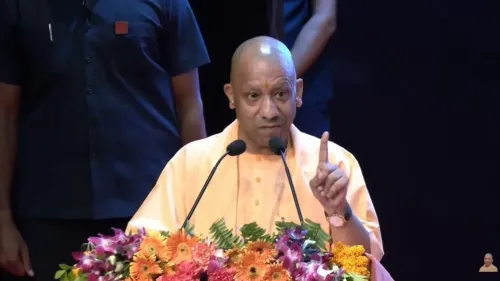
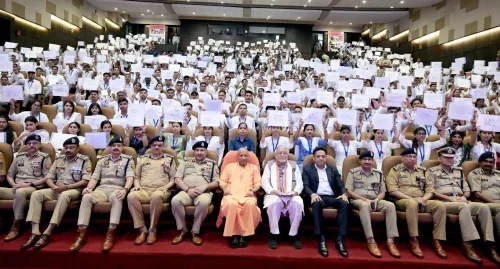
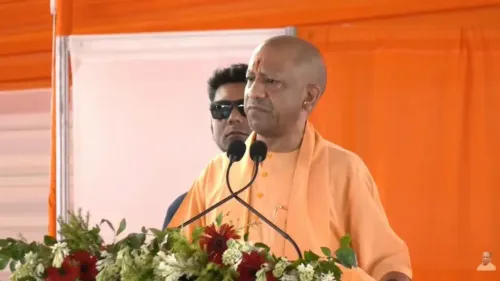
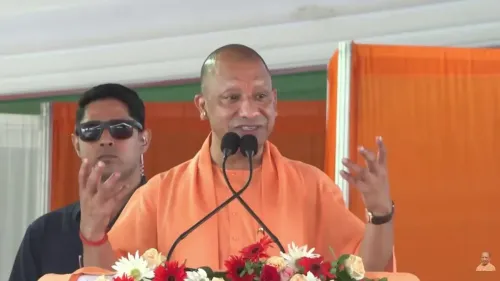
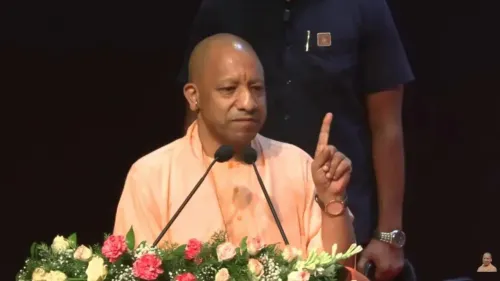
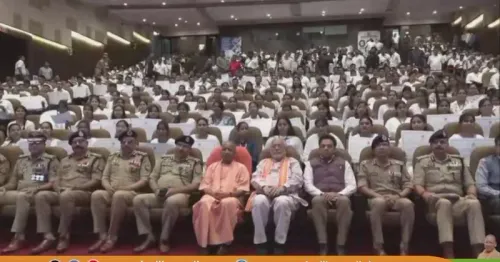
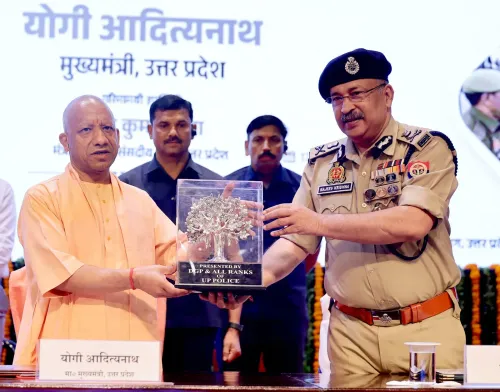
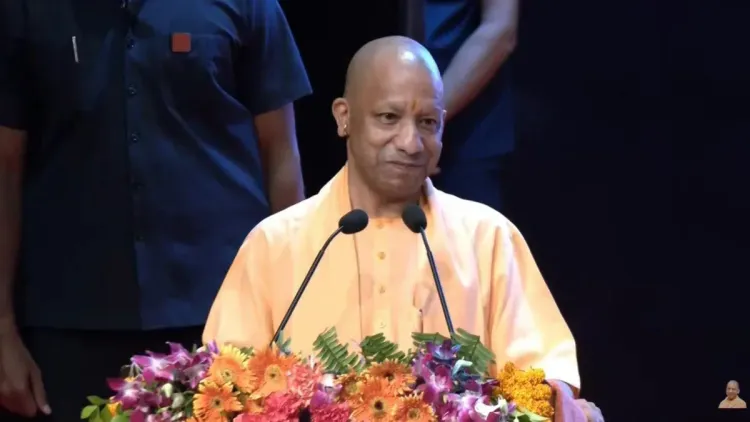
A government job, Uttar Pradesh Chief Minister Yogi Adityanath told fresh recruits on Thursday, 8 October 2026, is not a gift handed down from a throne — it is a right earned by merit. Speaking at an appointment-letter distribution ceremony in Lucknow, the Chief Minister drew a sharp line between patronage and entitlement that reverberated well beyond the hall.
In the post shared on X, CM Yogi stated: 'आज जो नियुक्ति-पत्र आपको प्राप्त हो रहा है, यह न सरकार की कृपा है, न मेरी अनुकंपा...' — 'The appointment letter you receive today is neither the government's favour, nor my benevolence.' The declaration was pointed, deliberate, and aimed squarely at dismantling the old culture of political patronage in public hiring.
The weight of a single sentence
The phrasing matters. For decades, government jobs in Uttar Pradesh — the country's most populous state — were perceived, and often used, as instruments of political reward. By publicly disowning any personal role in the appointment, CM Yogi repositioned the state as a neutral, merit-driven administrator rather than a dispenser of favours. It is a framing that speaks directly to a generation of young applicants who have watched recruitment scandals corrode public trust in the process.
Recruitment drives as a governance signal
The Yogi Adityanath government has held multiple mass appointment-letter ceremonies since 2017, positioning transparent, examination-based hiring as a core governance deliverable. Each such event is staged publicly — recruits receiving physical letters, often in the thousands — as visible proof that vacancies are being filled and that the state machinery is being replenished after years of frozen hiring. The symbolism of a CM personally presiding, yet simultaneously insisting the letter belongs to the recruit by right, is calibrated: accountability without dependency.
What the message signals to UP's job-seekers
Uttar Pradesh has one of India's largest pools of competitive-exam aspirants — millions of young people who dedicate years to state-level recruitment tests. For them, the distinction between 'favour' and 'right' is not rhetorical; it is the difference between a system they can trust and one they must navigate through intermediaries. A Chief Minister saying the letter is not his benevolence is, paradoxically, one of the most consequential things a Chief Minister can say.
The real test, of course, is whether the institutional architecture behind that sentence — transparent exam conduct, timely result declaration, and tamper-proof appointment rolls — holds up. Today, at least, the rhetoric pointed in exactly the right direction.
Point of View
A currency that has historically defined UP politics. By publicly renouncing the role of benefactor, he attempts to shift the government's brand from feudal dispenser to neutral administrator, which is both a governance signal and a political one aimed at aspirational, exam-going voters. The move fits a broader BJP pattern of institutionalising visible, exam-based hiring to inoculate against opposition charges of favouritism. Whether the institutional machinery behind the rhetoric delivers consistency will determine if the message outlasts the ceremony.
NationPress
8 Oct 2026
Frequently Asked Questions
What did CM Yogi say at the appointment letter ceremony?
CM Yogi Adityanath said the appointment letters being distributed are neither the government's favour nor his personal benevolence — they are the recruits' right, earned through merit.
Where was the appointment letter event held?
The event was held in Lucknow, Uttar Pradesh, on 8 October 2026.
Why does CM Yogi hold appointment letter distribution ceremonies?
The Yogi government has used public, large-scale appointment-letter events since 2017 to signal transparent, examination-based hiring and show that government vacancies are being filled without political patronage.
What is the significance of Yogi saying job letters are 'not my benevolence'?
The statement directly challenges the traditional culture of political patronage in UP, repositioning the state as a neutral, merit-driven employer and signalling accountability to millions of competitive-exam aspirants.
How many job-seekers does Uttar Pradesh have?
Uttar Pradesh, India's most populous state, has one of the country's largest pools of competitive-exam aspirants, with millions preparing for state-level government recruitment tests.