CM Himanta grants land rights to 52 SHGs in Sonitpur
Synopsis
Assam CM Himanta Biswa Sarma issued land pattas to 52 self-help groups in Sonitpur district on October 8, 2026, citing that 3 lakh people across Assam have received land rights since 2021 — deepening the state's ongoing land-titling programme.
Key Takeaways
52 self-help groups in Sonitpur district received land pattas on October 8, 2026 .
CM Himanta Biswa Sarma announced that 3 lakh people in Assam have been granted land rights since 2021 .
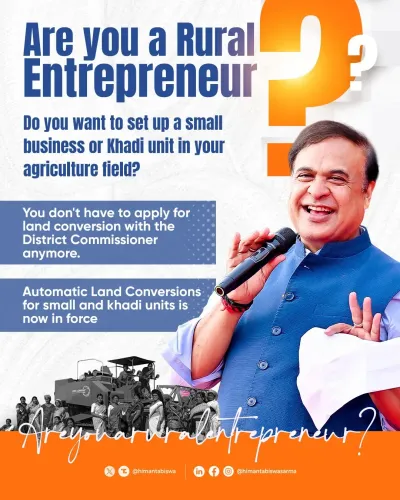
The pattas are intended to help SHGs formalise and expand their entrepreneurial enterprises.
Formal land ownership unlocks access to institutional credit, welfare schemes, and legal security for these groups.
Sonitpur district has a significant tribal and tea-garden community population historically facing land insecurity.
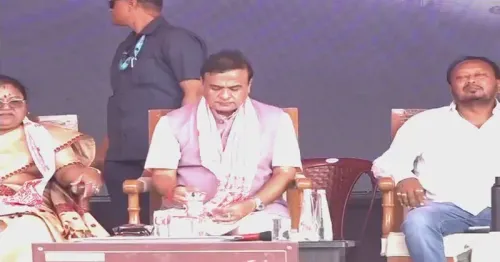
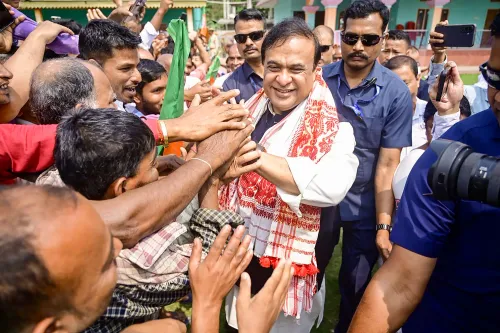
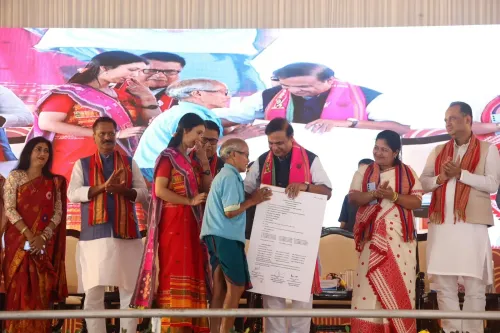
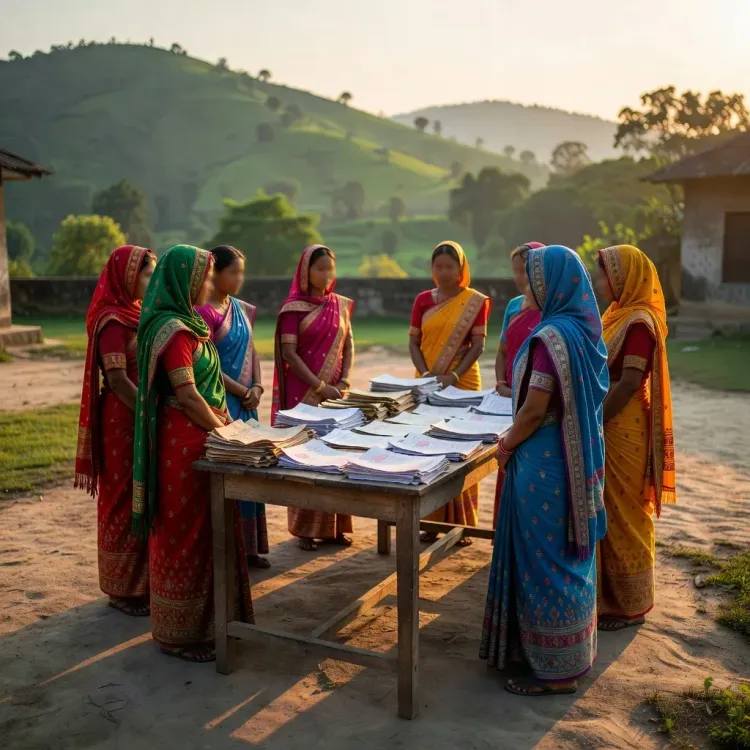
Land — the most elemental form of security — just got a little more accessible for thousands of Assamese. Assam Chief Minister Himanta Biswa Sarma on Thursday, October 8, 2026, handed over land pattas to 52 self-help groups (SHGs) in Sonitpur district, giving them formal ownership rights over the plots where they run their enterprises.
Sharing the development on X in Hindi, CM Sarma wrote: 'ज़मीन का हक़ सभी को है' — 'Everyone has a right to land.' He stated that since 2021, a total of 3 lakh people across Assam have been granted land rights under the state government's ongoing land-pattas initiative. Thursday's event in Sonitpur added 52 SHGs to that growing list, with the explicit goal of helping these groups expand their entrepreneurial activities.
What a land patta means for a self-help group
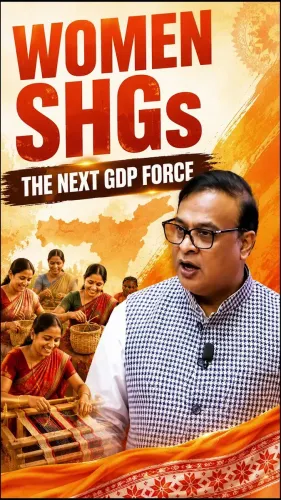
For an SHG — typically a collective of women from low-income households engaged in small-scale production, trading, or services — formal land ownership is a transformative document. It unlocks access to institutional credit, government welfare schemes, and legal protection against eviction. Without a patta, even a thriving enterprise sits on uncertain legal ground.
By issuing pattas specifically to SHGs in Sonitpur, the Sarma government is channelling land reform directly into the rural entrepreneurship ecosystem. Sonitpur, one of Assam's larger districts bordering Arunachal Pradesh, has a significant tribal and tea-garden community population — groups historically among the most land-insecure in the state.
3 lakh beneficiaries and counting since 2021
The headline number — 3 lakh land-rights beneficiaries since 2021 — places Assam's land-titling push among the more ambitious in the North-East. Land rights in Assam have historically been a deeply political and socially charged issue, intersecting with questions of indigenous identity, migration, and access to state resources. A formal programme that has scaled to three lakh individuals and groups in five years signals institutional commitment beyond one-off distribution events.
The Sonitpur ceremony is part of a rolling process, not a concluding one. Each new round of pattas extends the programme's reach and, implicitly, its political resonance — land ownership is one of the most viscerally felt forms of government delivery.
Point of View
Rather than individuals alone, signals a deliberate push to link land reform with the women's micro-enterprise economy. Reaching 3 lakh beneficiaries in five years is a scale that, if sustained and verified, sets a benchmark for other North-Eastern states wrestling with similar land-tenure complexities. The Sonitpur event also keeps NEDA-region outreach visible as CM Sarma consolidates his standing as the dominant BJP organiser in the North-East.
NationPress
8 Oct 2026
Frequently Asked Questions
How many people have received land rights in Assam since 2021?
According to CM Himanta Biswa Sarma, 3 lakh people in Assam have been granted land rights since 2021 under the state government's ongoing land-pattas programme.
What is a land patta and why does it matter for self-help groups?
A land patta is an official document conferring legal ownership or occupancy rights over a plot of land. For self-help groups, it provides legal security, enables access to bank credit, and allows them to use the land as collateral or for expanding their enterprises.
Where were the latest land pattas distributed in Assam?
Sonitpur district was the site of the October 8, 2026 distribution, where 52 self-help groups received land pattas from Assam Chief Minister Himanta Biswa Sarma.
Why is land ownership particularly significant in Assam?
Land rights in Assam intersect with deep questions of indigenous identity, migration history, and access to state resources. Many tribal and tea-garden communities have historically lacked formal land titles, making patta distribution a high-stakes welfare and political issue.
Who is Himanta Biswa Sarma?
Himanta Biswa Sarma is the Chief Minister of Assam and a senior BJP leader. He also serves as the convenor of the North-East Democratic Alliance (NEDA), making him the most influential political figure in the BJP's North-East strategy.