Anupam Kher on Indian diaspora in US: Success abroad, heart in India
Synopsis
Anupam Kher is mid-way through an 18-city American theatrical tour drawing crowds of up to 3,000 — and what he is finding offstage is just as striking: first-generation Indian immigrants who have built prosperous lives yet carry a persistent loneliness and an unshakeable emotional connection to India. His verdict: their stories are each worth a biopic, and their hearts have never really left home.
Key Takeaways
Anupam Kher is on an 18-city theatrical tour of the United States , which began in Mumbai on 1 September 2025 .
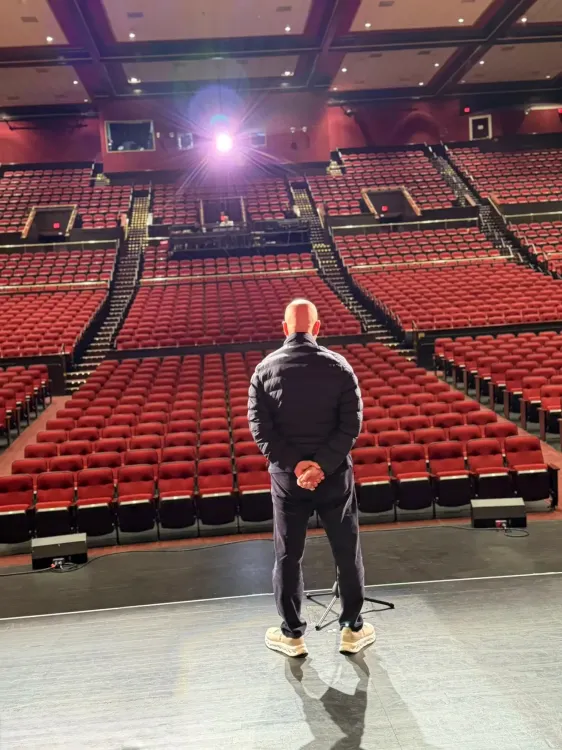
The Washington show was the 12th of 18 scheduled performances, attracting audiences of 2,000 to 3,000 people , including sold-out nights.
Kher said first-generation Indian immigrants feel a deep sense of loneliness despite professional and financial success: ‘Their heart is in India.’ Music for the production has been composed by Anu Malik ; the play explores themes of loneliness across three generations.
Kher cited post-Covid hunger for live human connection as a key driver of the tour’s strong audience response.
He urged young performers to prioritise originality and described himself as an unofficial cultural ambassador of India .
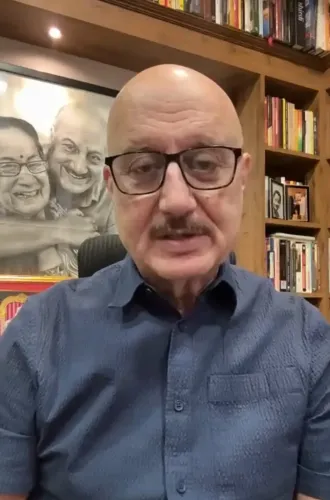
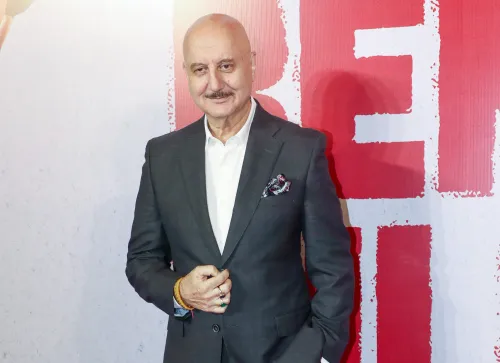
Veteran Bollywood actor Anupam Kher has opened up on the emotional reality of Indian immigrants in the United States, saying that beneath the professional success and prosperity lies a persistent sense of loneliness and an unbreakable attachment to India. Kher shared these reflections during an exclusive interaction in Washington, D.C., in the course of an extensive theatrical tour across America that began in Mumbai on 1 September 2025.
A Diaspora Divided Between Two Worlds
Kher said that virtually every first-generation Indian immigrant he had met during the tour had a story worthy of a film. “Whenever I meet the first generation Indians over here, I say to them that their stories are a film. Every person’s story is like a film story,” he said, adding, “Everybody’s story can be turned into a biopic film.”
Yet the actor was quick to look beyond the triumph. “I can feel a sense of loneliness in them,” he said. He observed that financial prosperity and professional success had not erased the emotional distance these immigrants felt from their homeland. “Well, they are happy that they have made it big. They are happy that their children are doing well, but their heart is in India,” Kher said.
The Theatre Tour: Sold-Out Shows and 2,000-Strong Crowds
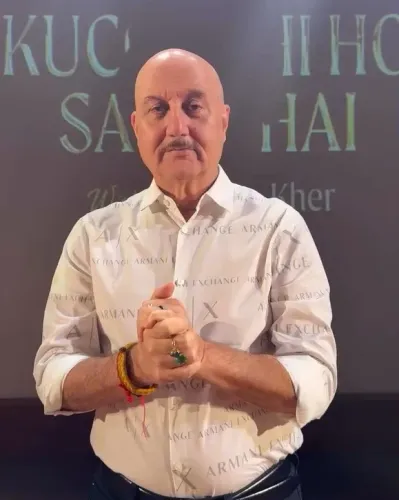
Kher’s theatrical production has explored themes of loneliness, human relationships and generational experience across three cohorts — retired individuals, the middle-aged and Generation Z. The Washington performance was the 12th of 18 scheduled shows, drawing audiences of between 2,000 and 3,000 people, including sold-out nights. Music for the production has been composed by Music Director Anu Malik.
The actor said theatre delivers a quality of connection that cinema cannot replicate. “The handshake is real. We breathe the same air in the auditorium. The heartbeats are beating at the same time,” he said. He described each performance as an exchange of memories between actor and audience.
Notably, Kher and his team travel between cities by bus rather than air, a deliberate choice he said fosters deeper bonds within the cast and crew. The journey from New Jersey to Washington was also made by road. “I travel light as a person, as a human being, as an actor,” he said.
India Rising, America Learning
Kher offered an optimistic view of India’s trajectory, contrasting the country’s growing international standing with the historically dominant image of America as the land of opportunity. “Today’s India is on the go. Today’s India is developing,” he said, while also acknowledging the role America had played in his own international career, which includes the Hollywood film Silver Linings Playbook and the American television series New Amsterdam.
He described himself as an unofficial cultural ambassador of India and said he made a conscious effort to visit Indian consulates and diplomatic residences during overseas trips, taking pride in seeing the national flag flying abroad. He identified tolerance as a key Indian value Americans could learn from, alongside the capacity to forgive, welcome strangers and maintain close family ties. Conversely, he said Indians could benefit from American professionalism, marketing practices and infrastructure. “The marketing that American people do, and I’m saying it with appreciation, is phenomenal,” he said.
Post-Pandemic Hunger for Human Connection
Kher attributed part of the tour’s strong audience response to a post-Covid-19 hunger for live, shared experience. “People are wanting human touch,” he said. He argued that the pandemic had exposed the vulnerability of modern society despite advances in science and technology, and had made live performances more meaningful as a result.
On the rise of artificial intelligence, Kher acknowledged its capabilities while insisting it could not replace genuine human relationships. “AI does amazing things, but human connection will always be important,” he said. He expressed concern that digital communication was eroding authentic emotional expression: “Today, unfortunately, the real human smile is replaced by emoji.” He added that while he used social media actively, he tried to keep his posts personal. “My posts are from my heart,” he said.
Kher encouraged young performers in the diaspora to embrace originality: “Be original. Even though you dance in a group, but be original because what people notice is originality, not group necessarily.” As his 18-city American tour continues, his observations offer a rare, close-range portrait of a community caught between two identities — and of an actor who believes that imperfection, not perfection, is what gives a culture its heart.
Point of View
Not a think-tank. The loneliness he describes among prosperous, first-generation Indian Americans is not a new finding, but it rarely gets named this plainly by a public figure with genuine access to that community. What the mainstream coverage of Indian diaspora success tends to miss is the emotional tax that migration levies long after the financial returns come in. Kher’s theatre tour — 18 cities, bus travel, sold-out nights — is itself an argument that cultural soft power works best when it shows up in person, not just on a streaming platform.
NationPress
8 Oct 2026
Frequently Asked Questions
What is Anupam Kher’s theatrical tour in the US about?
Anupam Kher is on an 18-city theatrical tour of the United States, which began in Mumbai on 1 September 2025. The production explores loneliness, human relationships and the experiences of three generations — retired individuals, the middle-aged and Generation Z — through humour, music and emotional storytelling, with music composed by Anu Malik.
What did Anupam Kher say about Indian immigrants in America?
Kher said that first-generation Indian immigrants have achieved remarkable professional and financial success but carry a persistent sense of loneliness and a deep emotional attachment to India. ‘Their heart is in India,’ he said, adding that every immigrant’s story was compelling enough to be turned into a biopic film.
How many shows has Anupam Kher performed on his US tour?
As of the Washington performance, Kher had completed 12 of 18 scheduled shows. The production has drawn audiences of between 2,000 and 3,000 people per show, including sold-out performances.
What does Anupam Kher think about AI and human connection?
Kher acknowledged the extraordinary capabilities of artificial intelligence but argued it cannot replace genuine human relationships. He expressed concern that digital communication was eroding authentic emotional expression, saying ‘the real human smile is replaced by emoji,’ while also noting he uses social media actively and tries to keep his posts personal.
What values does Anupam Kher say India and America can learn from each other?
Kher said Americans could learn from India’s tolerance, capacity for forgiveness, family closeness and cultural diversity. In turn, he said Indians could benefit from American professionalism, marketing practices and infrastructure, describing American marketing as ‘phenomenal.’