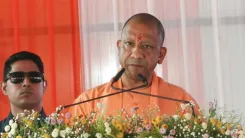
CM Yogi attends Ex-Servicemen Reunion in Meerut
Synopsis
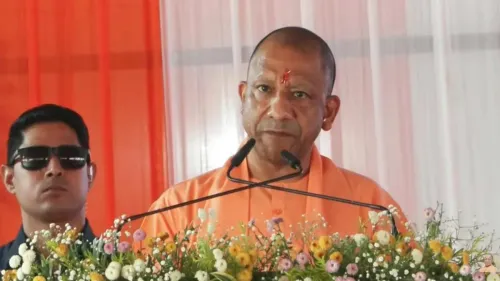
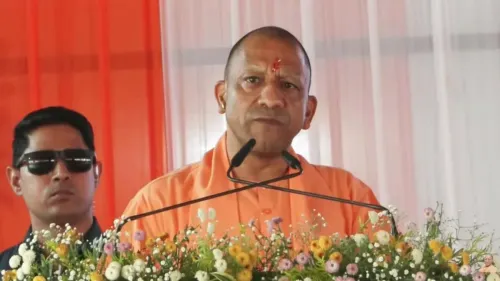
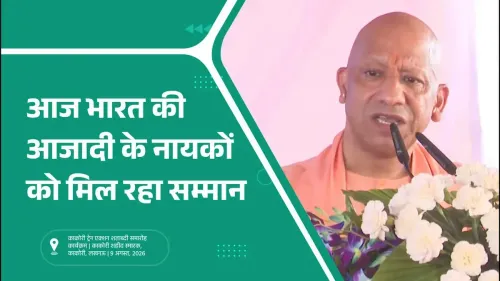
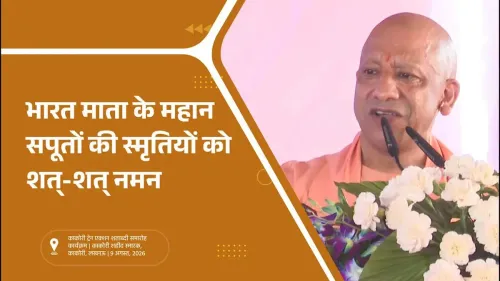
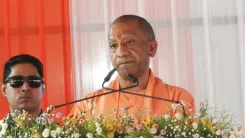
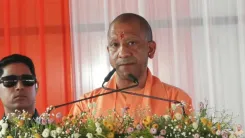
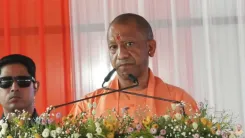
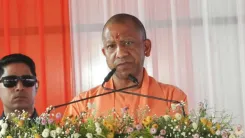
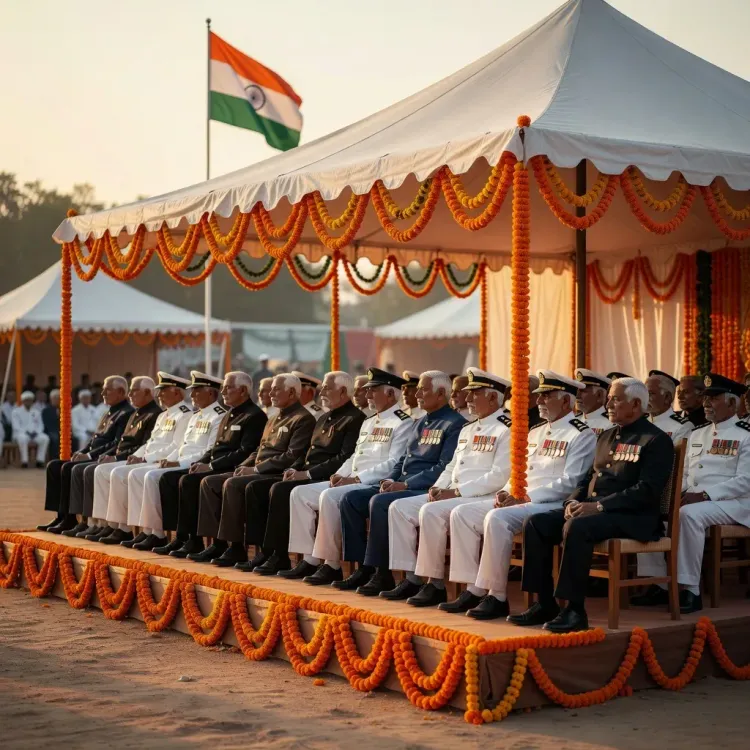
Uttar Pradesh Chief Minister Yogi Adityanath attended a veterans' reunion ceremony in Meerut on 14 November 2026, honouring ex-servicemen in a city historically known as the birthplace of India's 1857 revolt.
Key Takeaways
CM Yogi Adityanath personally attended the Purv Sainik Punarmilan Samaroh in Meerut on 14 November 2026 .
Meerut , known as Kranti Dhara , is historically significant as the starting point of India's 1857 revolt.
Uttar Pradesh is one of India's largest contributors of military personnel, with a large veteran population across its districts.
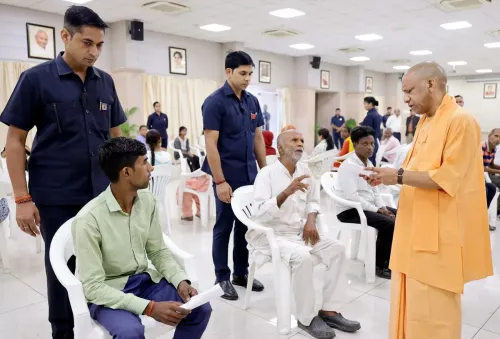
Such reunion events serve as direct outreach platforms where veterans can raise welfare concerns with state leadership.
The event is part of a recurring pattern of veterans' engagement ceremonies held across Uttar Pradesh districts.
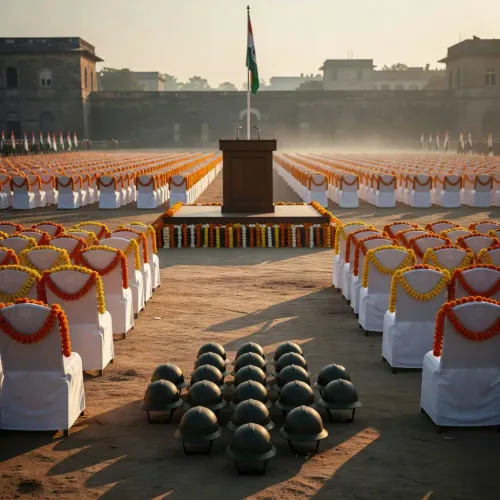
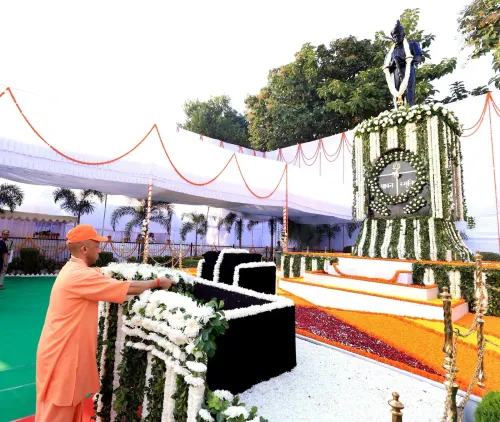
In Meerut — the city where India's first war of independence ignited in 1857 — Uttar Pradesh Chief Minister Yogi Adityanath joined veterans at a Purv Sainik Punarmilan Samaroh (Ex-Servicemen Reunion Ceremony) on Saturday, 14 November 2026, honouring the men and women who served in India's armed forces.
Meerut's martial legacy as the backdrop
Meerut, long known as Kranti Dhara — the land of revolution — carries a weight few Indian cities can match. It was here that sepoys of the East India Company rose in revolt on 10 May 1857, sparking the uprising that would reshape the subcontinent's history. Hosting a veterans' reunion on this soil is not incidental; the choice of venue layers the gathering with a quiet but deliberate symbolism, connecting present-day soldiers to a lineage of sacrifice that stretches back nearly 170 years.
Why ex-servicemen reunions matter in UP
Uttar Pradesh is among India's largest contributors of military personnel, with hundreds of thousands of veterans settled across its districts. The state government has periodically convened such reunion events as a structured outreach to this community — a chance for retired personnel to reconnect with peers, raise welfare concerns, and receive acknowledgement from the political leadership. Chief Minister Yogi Adityanath's personal attendance signals the administration's continued prioritisation of veterans' engagement alongside central government schemes for ex-servicemen welfare.
Events of this kind also serve a practical function: they surface ground-level concerns — pension grievances, healthcare access, rehabilitation support — directly to state leadership, bypassing slower bureaucratic channels.
A tradition of veterans' outreach across UP districts
The Meerut ceremony is part of a broader pattern of such gatherings held in districts with high veteran populations across Uttar Pradesh. Similar events have taken place in western UP's garrison towns and in districts with deep regimental histories. The rhythm of these reunions reflects an understanding that ex-servicemen represent both a welfare constituency and a community with considerable social influence at the grassroots level.
As veterans' welfare remains a live political and policy conversation nationally, state-level gestures of this kind carry weight beyond the ceremonial — they are a reminder that the compact between the state and those who served in uniform does not end at discharge.
Point of View
With its deep martial and revolutionary heritage, amplifies the symbolic register of the event beyond routine outreach. At a national level, veterans' welfare — spanning One Rank One Pension implementation, healthcare access, and rehabilitation — remains a politically sensitive issue, making state-level engagement events a useful complement to central policy. How the UP government translates such ceremonial outreach into measurable welfare outcomes will be the real test of its commitment to this constituency.
NationPress
14 Nov 2026
Frequently Asked Questions
What is the Purv Sainik Punarmilan Samaroh in Meerut?
The Purv Sainik Punarmilan Samaroh is an Ex-Servicemen Reunion Ceremony held in Meerut , bringing together retired armed forces personnel from Uttar Pradesh for reconnection, welfare discussions, and recognition by state leadership, including Chief Minister Yogi Adityanath .
Why is Meerut called Kranti Dhara?
Meerut is called Kranti Dhara — meaning 'land of revolution' — because it was the site where the 1857 uprising against British rule began, making it one of India's most historically significant cities in the context of the independence struggle.
Does Uttar Pradesh hold regular events for ex-servicemen?
Yes. The Uttar Pradesh government has periodically organised veteran engagement and reunion events across districts with high ex-servicemen populations, as part of broader outreach alongside central government welfare schemes.
Why did CM Yogi Adityanath attend the Meerut veterans' event?
CM Yogi Adityanath attended the Meerut veterans' reunion to honour retired armed forces personnel and engage directly with the ex-servicemen community, which represents a significant welfare constituency and a socially influential group in Uttar Pradesh .
What welfare issues do UP ex-servicemen raise at such events?
Veterans at such gatherings in Uttar Pradesh typically raise concerns around pension disbursement, healthcare access, rehabilitation support, and the implementation of central schemes such as One Rank One Pension, using the platform for direct engagement with state leadership.