CM Yogi Backs Rs 5,070 Cr Floating Solar Scheme PM-SSY
Synopsis
The Union Cabinet approved PM Surya Sarovar Yojana (PM-SSY) on 31 July 2026, committing Rs 5,070 crore to develop 5,000 MW of floating solar capacity on Indian reservoirs. UP Chief Minister Yogi Adityanath called it a historic step toward clean energy, job creation, and carbon reduction under PM Modi's Viksit Bharat agenda.
Key Takeaways
The Union Cabinet approved PM Surya Sarovar Yojana (PM-SSY) on 31 July 2026 with an outlay of Rs 5,070 crore .
The scheme targets 5,000 MW of floating solar capacity installed on India's reservoirs.
CM Yogi Adityanath cited four key benefits: clean energy acceleration, stronger storage systems, large-scale job creation, and reduced carbon emissions.
PM-SSY supports India's broader goal of 500 GW non-fossil fuel capacity by 2030 , building on solar growth from under 3 GW in 2014 to over 70 GW by 2024.
The Ministry of New and Renewable Energy will oversee tenders and reservoir allocation over the next 12–18 months .
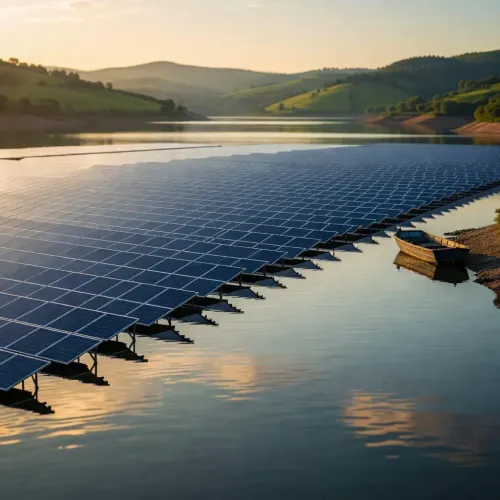
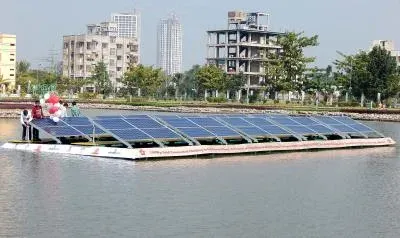
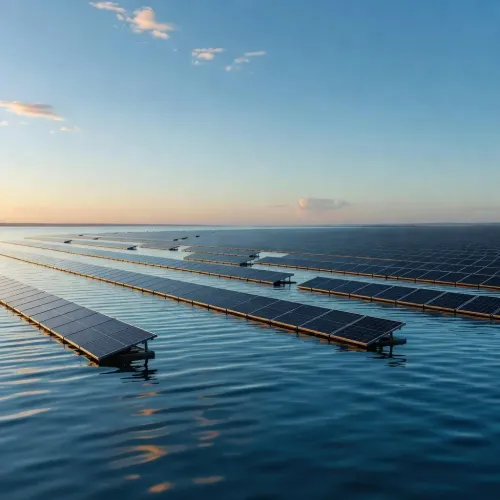
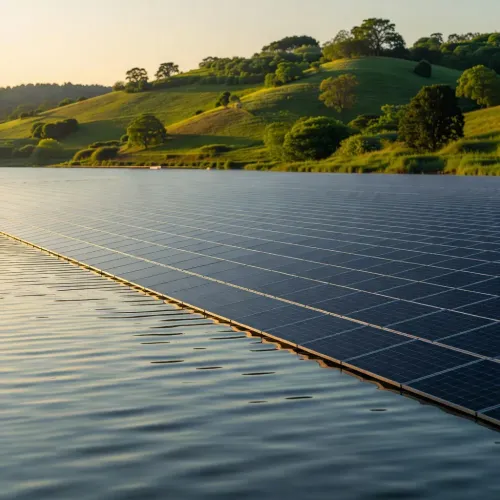
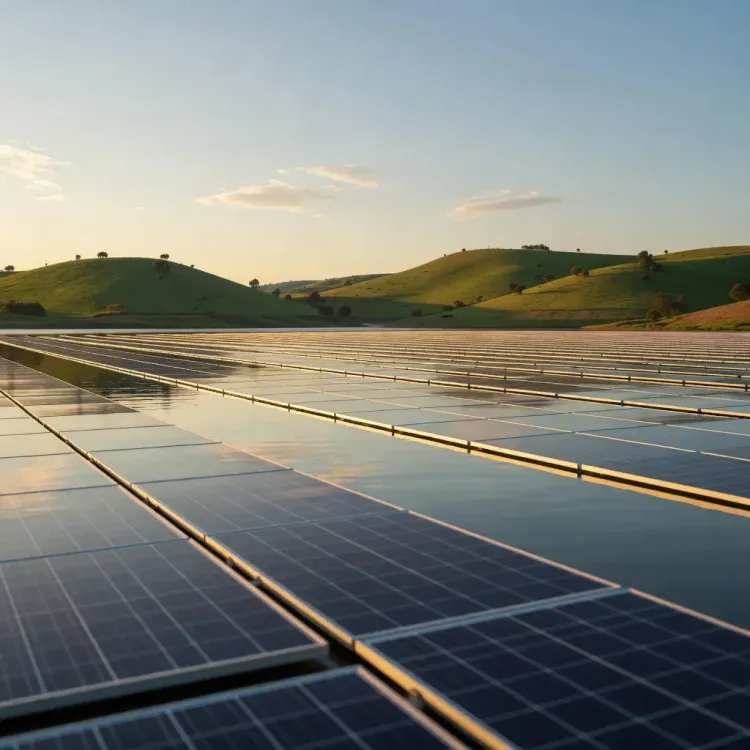
Floating solar on reservoirs conserves land, reduces water evaporation, and improves panel efficiency compared to ground-mounted alternatives.
India's reservoirs are about to pull double duty. The Union Cabinet, under Prime Minister Narendra Modi, approved the PM Surya Sarovar Yojana (PM-SSY) on 31 July 2026 — a Rs 5,070 crore scheme to build 5,000 MW of floating solar capacity on the country's water bodies. Uttar Pradesh Chief Minister Yogi Adityanath hailed the decision as historic, calling it a fresh charge of energy for the 'Viksit Bharat–Atmanirbhar Bharat' vision.
What PM-SSY actually does
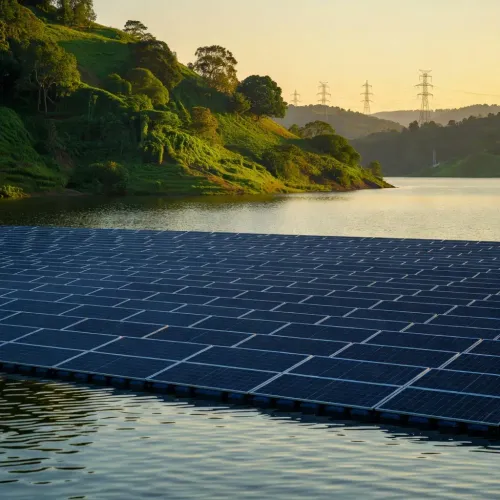
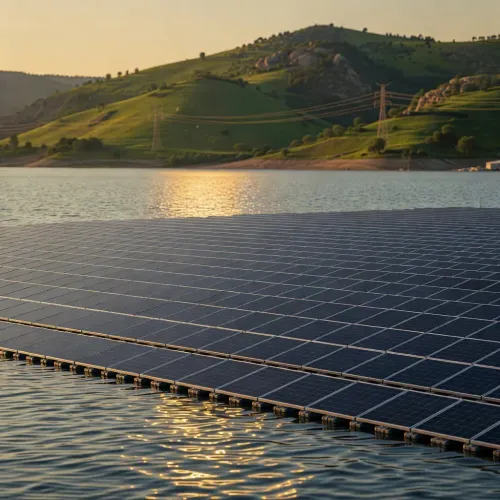
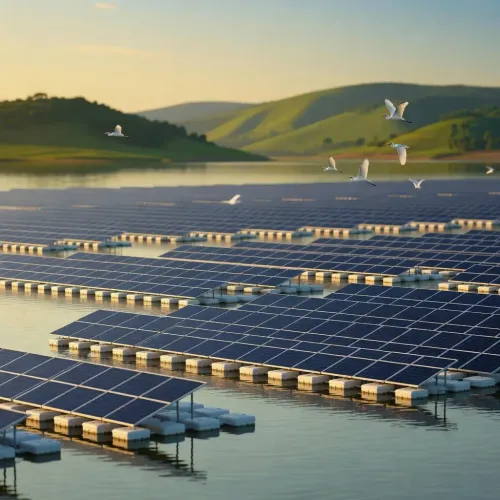
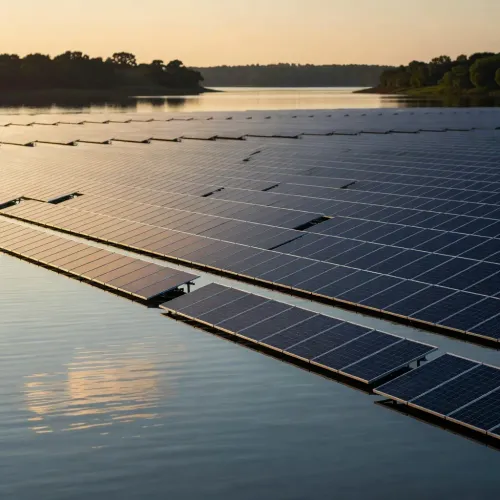
The scheme places solar panels on reservoirs rather than farmland — a design choice that conserves scarce land, reduces water evaporation, and keeps panels cooler for better efficiency. At 5,000 MW, PM-SSY would represent one of the largest single-scheme floating solar additions anywhere in the world. The outlay of Rs 5,070 crore covers capacity development, energy storage system strengthening, and the reservoir-integration infrastructure that makes it all work.
CM Yogi, posting in Hindi, underlined four outcomes: accelerated clean energy production, a stronger storage ecosystem, large-scale job creation, and a 'significant reduction in carbon emissions' — kaarban utarjan mein ullekhaniya kami. He thanked the Prime Minister for what he called a 'visionary and epoch-making decision.'
A decade of solar scale-up — and what comes next
The approval lands inside a long, consistent policy arc. India's National Solar Mission, launched in 2010, set targets that have been revised upward almost every cycle. Installed solar capacity grew from under 3 GW in 2014 to over 70 GW by 2024, and the government has committed to 500 GW of non-fossil fuel capacity by 2030. Floating solar — tested in scattered state-level projects between 2018 and 2023 — is now being scaled nationally through PM-SSY as a land-efficient answer to that 2030 deadline.
The scheme also plugs into India's green-hydrogen and energy-storage roadmaps, where reliable, cheap renewable generation is the essential upstream input. The Ministry of New and Renewable Energy will be the nodal body driving project tenders, reservoir allocation guidelines, and coordination with irrigation and hydro assets over the next 12–18 months — the critical execution window to watch.
Why UP's chief minister is paying close attention
Uttar Pradesh holds some of India's largest reservoir systems and has been an active participant in central renewable schemes. Yogi Adityanath has consistently aligned state energy policy with the BJP-led Centre's clean-power push, making PM-SSY a natural political and administrative priority for Lucknow. Job creation — one of the four outcomes he specifically named — carries particular weight in a state where employment generation is a persistent electoral and governance concern.
Five thousand megawatts of floating solar, built on water bodies that were previously generating nothing but evaporation, is not a marginal addition. If PM-SSY executes on schedule, it will move the needle on India's 2030 target while turning the country's reservoirs into quiet power stations.
Point of View
Not an incremental one — deploying 5,000 MW on water bodies sidesteps India's chronic land-acquisition bottleneck that has slowed ground-mounted solar projects. For CM Yogi, publicly championing a central scheme of this scale reinforces UP's positioning as a willing partner in the national energy transition, which carries both governance and electoral logic. The scheme's integration with storage and green-hydrogen pipelines signals that the Centre is now thinking in systems, not just megawatts. Execution — specifically how quickly MNRE can finalise reservoir allocation norms and attract private developers — will determine whether PM-SSY becomes a landmark or another ambitious target on paper.
NationPress
31 Jul 2026
Frequently Asked Questions
What is PM Surya Sarovar Yojana (PM-SSY)?
PM Surya Sarovar Yojana is a central government scheme approved on 31 July 2026 with an outlay of Rs 5,070 crore to develop 5,000 MW of floating solar energy capacity on India's reservoirs, boosting clean power generation and energy storage.
What is floating solar energy and how does it work?
Floating solar involves mounting photovoltaic panels on pontoons or platforms placed on the surface of reservoirs or lakes. This approach saves land, reduces water evaporation from the reservoir, and keeps panels cooler — improving their electricity output compared to ground-mounted systems.
Why did CM Yogi Adityanath comment on PM-SSY?
As Chief Minister of Uttar Pradesh — a state with significant reservoir systems — Yogi Adityanath praised the Cabinet approval as a 'historic decision' aligned with the Viksit Bharat and Atmanirbhar Bharat agenda, highlighting benefits including jobs and carbon emission reduction.
How does PM-SSY fit into India's 2030 renewable energy target?
India has committed to 500 GW of non-fossil fuel capacity by 2030. PM-SSY's 5,000 MW floating solar addition directly contributes to that target and complements the country's energy storage and green-hydrogen roadmaps.
Which ministry will implement PM Surya Sarovar Yojana?
The Ministry of New and Renewable Energy (MNRE) is the nodal body responsible for issuing project tenders, finalising reservoir allocation guidelines, and coordinating with state utilities and irrigation authorities for PM-SSY's implementation.