CM Yogi Slams Past UP Governance Over Work Culture
Synopsis
Uttar Pradesh CM Yogi Adityanath on 26 July 2026 attributed the state's historical underdevelopment to poor work ethic, saying those who 'wake up at noon' bear responsibility for UP's past downfall — a pointed contrast with the BJP government's emphasis on administrative discipline since 2017.
Key Takeaways
CM Yogi Adityanath posted a video on X on 26 July 2026 criticising poor work ethic as a root cause of Uttar Pradesh 's past underdevelopment.
He stated that a person who 'wakes up only at noon' bears responsibility for the state's historical downfall, using personal discipline as a governance metaphor.
The remark continues a pattern of contrasting BJP governance since 2017 with the alleged complacency of previous administrations in UP .
Administrative punctuality and employee accountability have been recurring policy themes under the Adityanath government since it assumed office in 2017 .
Further administrative directives on office discipline and government employee accountability are expected in upcoming state assembly sessions.
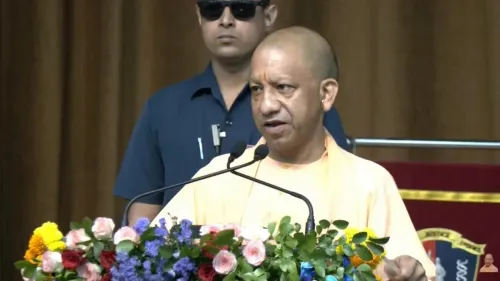
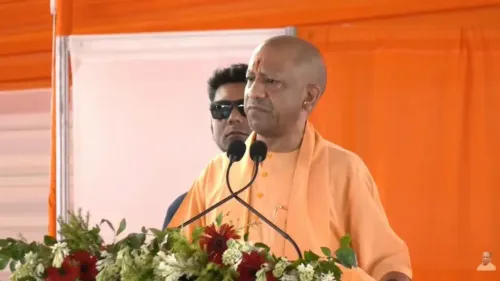
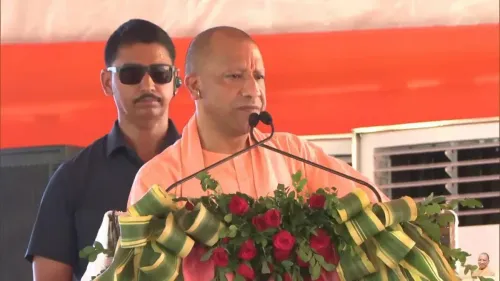
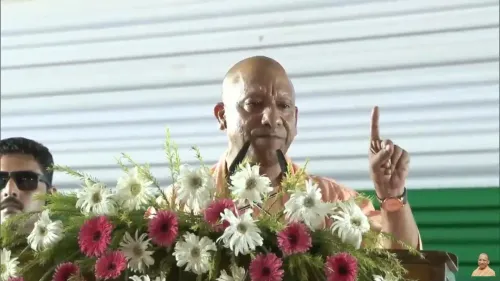
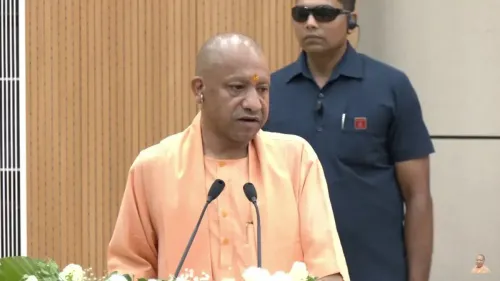
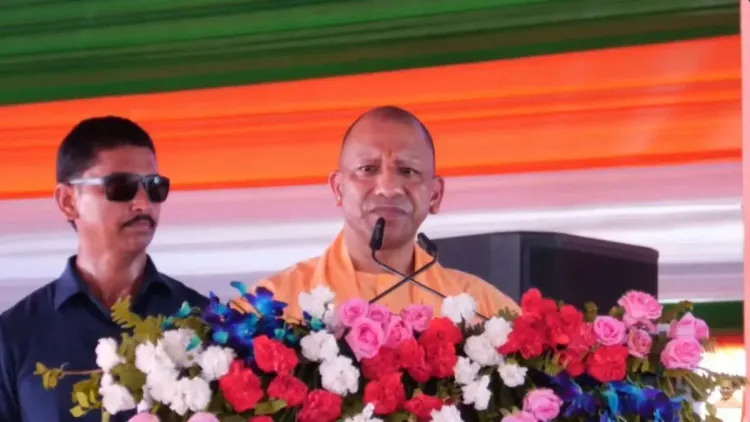
Uttar Pradesh Chief Minister Yogi Adityanath on Sunday, 26 July 2026, took a pointed dig at the previous administration in the state, attributing Uttar Pradesh's past underdevelopment to a culture of poor work ethic and administrative laxity among those in power.
In a video post shared on X, the Chief Minister stated in Hindi: 'Jo vyakti 12 baje sokar uthega... uska toh bhagwan hi malik hai, yahi UP ki durgati ka kaaran tha...' — translating to: 'A person who wakes up only at noon... only God can help them; this very habit was the reason for UP's downfall.'
Context
Yogi Adityanath has consistently used public platforms to draw a sharp contrast between what he describes as the disciplined governance of the current BJP administration and the alleged complacency of predecessor governments in Uttar Pradesh. Sunday's statement fits squarely into this pattern, framing personal discipline — specifically waking hours — as a metaphor for administrative accountability.
The remark, delivered with characteristic directness, is aimed at reinforcing the narrative that systemic change in UP begins with the conduct and work ethic of those entrusted with public office.
Policy Backdrop
Since the BJP came to power in Uttar Pradesh in 2017, the Adityanath government has repeatedly stressed administrative discipline as a pillar of governance reform. The 2017 election campaign itself had highlighted alleged failures in work culture under previous regimes as a root cause of the state's developmental lag.
Measures to improve punctuality and accountability among government employees have been part of the broader effort to reposition UP — India's most populous state — as a model of efficient administration. These have included directives on office attendance, performance monitoring, and public-facing service delivery timelines.
Stakeholders and Impact
The statement resonates most directly with Uttar Pradesh's vast cadre of state government employees, for whom punctuality and work ethic have been recurring themes of official messaging since 2017. It also signals continued political pressure on the bureaucracy to maintain high standards of conduct.
For the state's 25 crore-plus residents, the remark reinforces the ruling party's self-positioning as a disciplined alternative to earlier administrations. Opposition parties are likely to contest the characterisation, arguing that structural challenges — not merely work culture — have historically shaped the state's developmental trajectory.
What's Next
Observers will watch for follow-up administrative directives on government office timings and employee accountability, particularly ahead of upcoming Uttar Pradesh state assembly sessions. Such public statements by CM Yogi have historically preceded or accompanied formal policy circulars reinforcing discipline in the state machinery.
The broader political implication is clear: as BJP continues to consolidate its governance record in UP, messaging around work culture and administrative reform will remain central to its public communication strategy heading into future electoral cycles.
Point of View
While simultaneously setting a public standard of conduct for the state bureaucracy. The choice of a visceral, everyday image — sleeping past noon — makes an abstract governance argument immediately relatable to ordinary voters. This fits a broader arc in which the Adityanath administration has consistently framed personal discipline and work ethic as the cultural foundation of development, not merely a bureaucratic nicety. As UP approaches future electoral cycles, such statements serve as both accountability signals to government employees and contrast-drawing tools against opposition parties.
NationPress
25 Oct 2026
Frequently Asked Questions
What did CM Yogi Adityanath say about UP's past governance?
CM Yogi Adityanath said that people who wake up only at noon bear sole responsibility for Uttar Pradesh's past downfall, using the phrase as a metaphor for the poor work ethic he attributes to previous administrations in the state.
When did Yogi Adityanath make this statement about UP's work culture?
The statement was made on Sunday, 26 July 2026 , in a video posted on his official X account.
What is Yogi Adityanath's governance focus in Uttar Pradesh?
Since taking office in 2017 , Yogi Adityanath has emphasised administrative discipline, punctuality, and accountability as core pillars of governance reform in Uttar Pradesh.
How does this statement relate to BJP's political narrative in UP?
The BJP has consistently argued since its 2017 election campaign that poor work culture under previous governments was a primary reason for Uttar Pradesh's developmental lag. This statement reinforces that narrative.
What impact could this statement have on UP government employees?
The remark signals continued political pressure on state government employees to maintain high standards of punctuality and accountability, and may precede formal administrative directives on office discipline.