CM Yogi Calls for Citizen-Ready Disaster Preparedness in UP
Synopsis
Chief Minister Yogi Adityanath has articulated a vision to transform Uttar Pradesh into a state where every citizen is personally equipped to face disasters, signalling a shift from relief-centric governance to community-driven resilience in India's largest state.
Key Takeaways
The Chief Minister's Office of Uttar Pradesh shared CM Yogi Adityanath's statement on 19 July 2026 calling for citizen-level disaster preparedness.
CM Yogi envisions a Uttar Pradesh where every citizen has the confidence and capacity to deal with crises alongside the government.
Uttar Pradesh is highly disaster-prone, facing annual floods in the Ganga basin , droughts in Bundelkhand , and seismic risks near the Himalayan foothills .
The vision aligns with the Disaster Management Act, 2005 , the National Policy on Disaster Management, 2009 , and the Sendai Framework 2015–2030 .
Programmes such as Aapda Mitra and Gram Panchayat -level planning are key instruments for realising this community-preparedness goal.
The statement signals a potential shift in how UP structures disaster management budgets, training, and volunteer networks going forward.
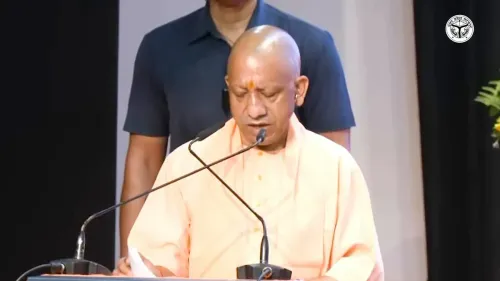
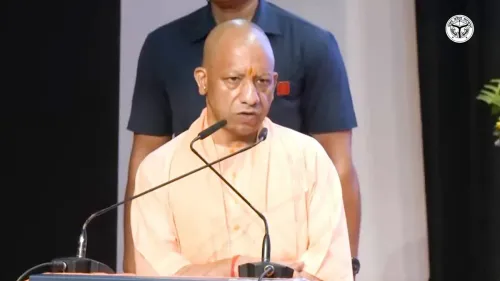
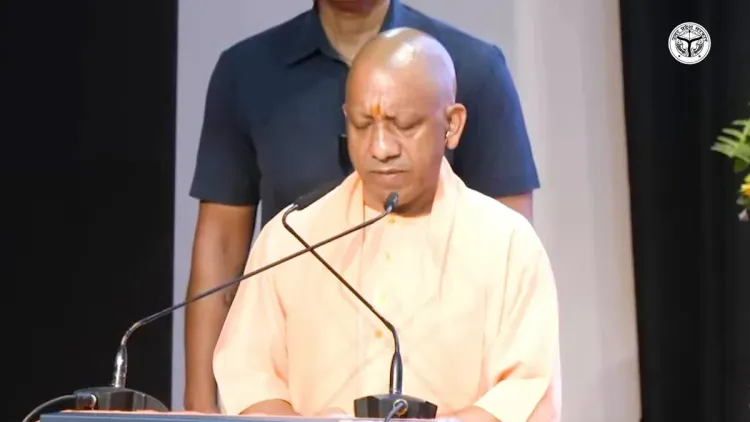
The Chief Minister's Office of Uttar Pradesh on Sunday, 19 July 2026 shared a statement by Chief Minister Yogi Adityanath outlining his vision to build a state where every citizen is personally prepared to face disasters alongside the government, signalling a push toward community-level resilience in India's most populous state.
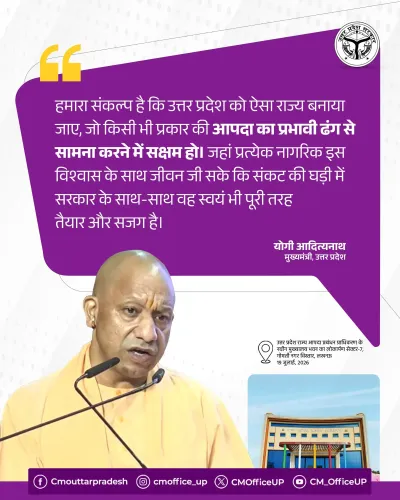
In the post, CM Yogi Adityanath stated: 'Uttar Pradesh is to be made a state where every citizen can live with the confidence that in times of crisis, alongside the government, they themselves are also prepared to deal with the disaster.' The remark underscores a deliberate shift from a government-dependent relief model to one rooted in shared civic responsibility.
Context
Uttar Pradesh is among India's most disaster-prone states, facing annual floods across the Ganga basin, recurring droughts in Bundelkhand, and seismic risk along the Himalayan foothills. Managing these hazards for a population exceeding 24 crore demands not just state machinery but a prepared citizenry. CM Yogi's statement directly addresses this structural challenge.
The Chief Minister has held office since March 2017, and administrative reform alongside public safety has been a recurring theme of his tenure. This latest articulation reinforces that governance philosophy with an explicit community-preparedness dimension.
Policy Backdrop
India's disaster governance rests on the Disaster Management Act, 2005, which created the National Disaster Management Authority (NDMA) and mandated states to constitute their own bodies. Uttar Pradesh established its State Disaster Management Authority (SDMA) in 2007 to coordinate preparedness, mitigation, and response at the state level.
The National Policy on Disaster Management, 2009 marked a conceptual turning point, moving the country away from reactive relief toward proactive risk reduction and community involvement. CM Yogi's statement aligns squarely with this policy lineage, echoing the principles of the Sendai Framework for Disaster Risk Reduction 2015–2030, which India has adopted and which prioritises investment in community-level resilience.
Successive UP governments have expanded volunteer training programmes and integrated disaster management into school curricula and Gram Panchayat development plans — efforts that provide the institutional scaffolding for the vision the Chief Minister articulated.
Stakeholders and Impact
The primary beneficiaries of this vision are the citizens of Uttar Pradesh, particularly those in flood-prone and drought-affected districts who bear the heaviest burden during disasters. A more prepared citizenry reduces pressure on the State Disaster Response Force (SDRF) and district administrations during peak emergency periods.
Volunteer networks such as the Aapda Mitra programme — which trains community volunteers in first response — stand to be central instruments in translating this vision into ground-level action. Panchayat bodies and local self-governance institutions are also key stakeholders in embedding preparedness into everyday civic life.
What's Next
Observers will watch for concrete policy announcements flowing from this stated vision, including possible expansion of Aapda Mitra volunteer networks across more districts and integration of disaster preparedness modules into Gram Panchayat development plans in the coming months. The emphasis on citizen self-reliance may also shape how the state structures its upcoming disaster management budget allocations and training calendars.
If the vision translates into structured programmes, Uttar Pradesh could emerge as a model for large, disaster-prone Indian states seeking to move beyond relief-first governance toward a culture of sustained civic preparedness.
Point of View
But the real test will be whether the rhetoric is backed by measurable expansion of volunteer networks and panchayat-level preparedness infrastructure. For a state of UP's scale and vulnerability, the gap between vision and implementation is where governance credibility is won or lost.
NationPress
20 Jul 2026
Frequently Asked Questions
What did CM Yogi Adityanath say about disaster preparedness in Uttar Pradesh?
CM Yogi Adityanath stated that Uttar Pradesh should be a state where every citizen can live with the confidence that in times of crisis, alongside the government, they themselves are also prepared to deal with the disaster — signalling a push for community-level resilience.
What is the Aapda Mitra programme in Uttar Pradesh?
Aapda Mitra is a community volunteer training programme that equips local residents with first-response skills to assist during disasters, reducing dependence solely on the State Disaster Response Force and district administration.
Which disasters most affect Uttar Pradesh?
Uttar Pradesh faces annual floods in the Ganga basin, recurring droughts in the Bundelkhand region, and seismic risk in its Himalayan foothill districts, making it one of India's most disaster-prone states.
What is India's legal framework for disaster management?
India's disaster governance is anchored in the Disaster Management Act, 2005, which established the National Disaster Management Authority and required each state to set up its own State Disaster Management Authority. Uttar Pradesh constituted its SDMA in 2007.
What is the Sendai Framework and how does it relate to UP's disaster policy?
The Sendai Framework for Disaster Risk Reduction 2015–2030 is a global agreement that prioritises understanding disaster risk and building community resilience. India has adopted its principles, and CM Yogi's emphasis on citizen preparedness directly reflects the framework's community-level approach.