CM Yogi Calls UP Residents to Join Vriksharopan Mahayagya-2026
Synopsis
Uttar Pradesh Chief Minister Yogi Adityanath has called on all state residents to join Vriksharopan Mahayagya-2026, urging each person to plant and protect at least one tree wherever they are, as the monsoon plantation season begins.
Key Takeaways
CM Yogi Adityanath issued a public appeal on 12 July 2026 for participation in Vriksharopan Mahayagya-2026 .
The call asks every Uttar Pradesh resident to plant at least one tree and ensure its protection, regardless of location.
The drive is framed as a mahayagya — a collective civic endeavour — to broaden public ownership of the campaign.
The Yogi Adityanath government has run annual tree-plantation drives since 2017 , aligned with national afforestation targets.
The monsoon season is the primary planting window, making the coming weeks critical for the campaign's reach and impact.
Sapling survival and district-level participation data are expected to be key metrics once the campaign is formally under way.
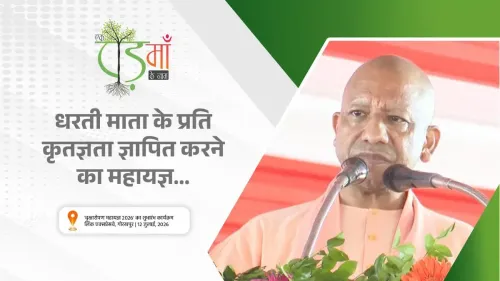
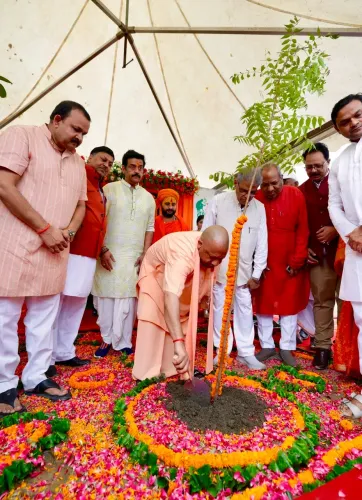
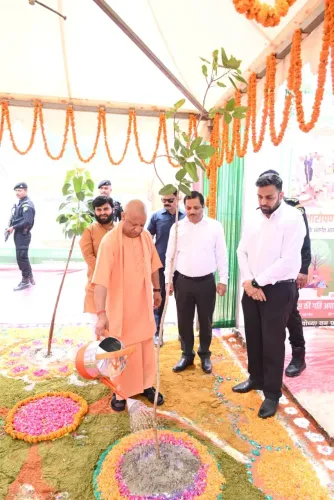
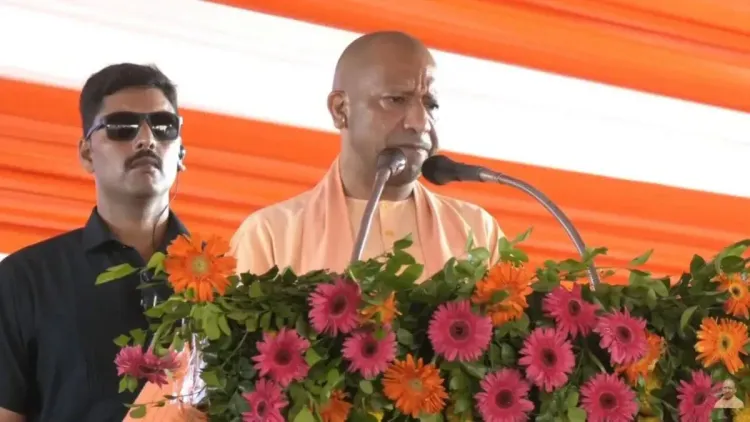
Uttar Pradesh Chief Minister Yogi Adityanath on Sunday, 12 July 2026 issued a public call to all residents of the state to participate in Vriksharopan Mahayagya-2026, a mass tree-plantation drive, urging every citizen to plant at least one tree and ensure its protection, wherever they may be.
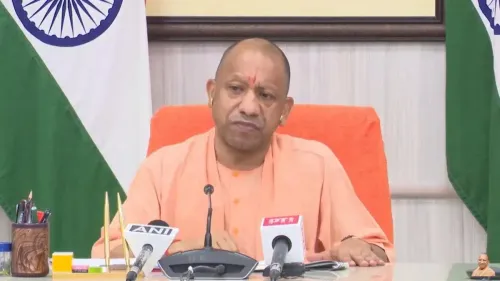
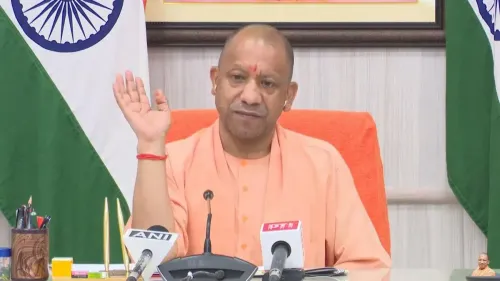
In a post on X, the Chief Minister said: 'वृक्षारोपण महायज्ञ-2026 का हिस्सा बनें' — 'Become a part of Vriksharopan Mahayagya-2026' — and appealed to the people of Uttar Pradesh to treat the planting and safeguarding of a single tree as their personal contribution to this collective environmental effort.
Context
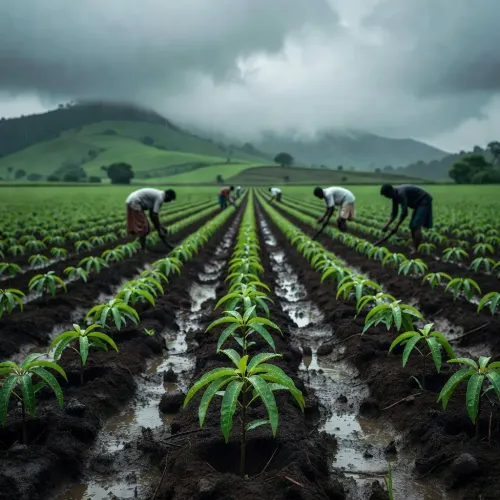
The appeal comes during the peak monsoon window, traditionally the most suitable period for tree plantation across Uttar Pradesh. The season provides natural irrigation for saplings and has historically been the time when state-led afforestation drives see the highest participation. The Chief Minister's framing of the campaign as a mahayagya — a grand collective ritual or endeavour — is a deliberate invocation of civic duty and community participation.
The post's language is inclusive and decentralised: it does not restrict participation to any district or event venue, instead asking citizens to plant a tree 'wherever you are.' This positions the drive as a distributed, people-led movement rather than a single-venue government event.
Policy Backdrop
The Yogi Adityanath administration has run annual Vriksharopan Abhiyan (tree-plantation campaign) drives since 2017, when the government came to power. These campaigns were designed to expand green cover across India's most populous state and align with national afforestation goals under frameworks such as the National Mission for a Green India.
Mass plantation drives in Uttar Pradesh have served a dual function: advancing measurable environmental targets — including improvements in air quality, soil conservation and carbon sequestration — while also acting as high-visibility instruments of public mobilisation. The naming of the 2026 edition as a mahayagya signals an intent to scale ambition and broaden citizen ownership of the campaign.
Stakeholders and Impact
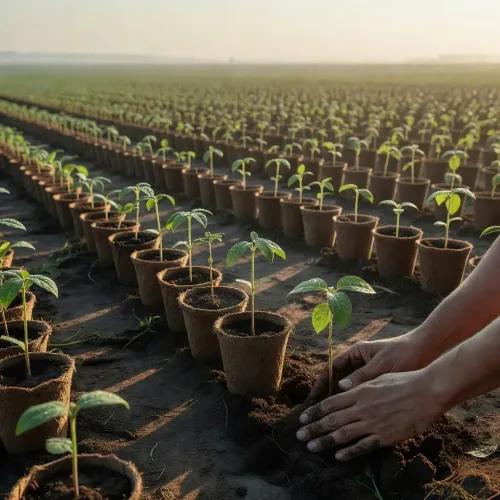
The primary audience is the general population of Uttar Pradesh, which is home to tens of crore residents spread across urban centres and rural districts. By asking each person to plant and protect one tree, the drive — if widely adopted — could translate into a substantial addition to the state's green cover during this monsoon season.
Local communities, gram panchayats, resident welfare associations and educational institutions are typically the ground-level participants in such campaigns. The emphasis on protection — not just planting — also addresses a persistent challenge in past drives, where survival rates of saplings have been a concern for administrators and environmentalists alike.
What's Next
Official targets, district-wise participation data, budget allocations and on-ground rollout details for Vriksharopan Mahayagya-2026 are expected to be announced as the campaign formally gets under way. The monsoon window provides a narrow but effective period for large-scale plantation, making the coming weeks critical for the drive's success.
The broader pattern across Indian states suggests that campaigns of this nature are increasingly being integrated into state climate commitments and green-cover benchmarks. How Uttar Pradesh tracks and reports sapling survival rates this year will be a key indicator of the campaign's long-term environmental impact.
Point of View
Which can amplify reach but also complicates accountability for outcomes. The framing as a mahayagya taps into cultural resonance to lend the drive moral weight, a recurring rhetorical device in the Chief Minister's public communication. How the administration tracks and publishes sapling survival data will determine whether the 2026 edition advances the state's credible environmental record or remains primarily a mobilisation exercise.
NationPress
12 Jul 2026
Frequently Asked Questions
What is Vriksharopan Mahayagya-2026?
Vriksharopan Mahayagya-2026 is a mass tree-plantation campaign launched by the Uttar Pradesh government under Chief Minister Yogi Adityanath, calling on all state residents to plant and protect at least one tree during the 2026 monsoon season.
How can UP residents participate in Vriksharopan Mahayagya-2026?
CM Yogi Adityanath has asked every Uttar Pradesh resident to plant one tree and ensure its survival wherever they are, making participation decentralised and open to all citizens without requiring attendance at a specific venue.
When did Uttar Pradesh start annual tree plantation drives?
The Yogi Adityanath government began annual Vriksharopan Abhiyan campaigns in 2017, shortly after taking office, as part of efforts to expand green cover across the state.
Why is the monsoon season chosen for tree plantation in UP?
The monsoon window provides natural rainfall that supports sapling survival, making it the most effective period for large-scale tree plantation across Uttar Pradesh and other Indian states.
What are the targets for Vriksharopan Mahayagya-2026?
Specific targets and official figures for Vriksharopan Mahayagya-2026 have not yet been announced; district-wise participation data and budget allocations are expected to be released as the campaign formally begins.