CM Himanta Leads Assam Drug Disposal Drive in Nalbari
Synopsis
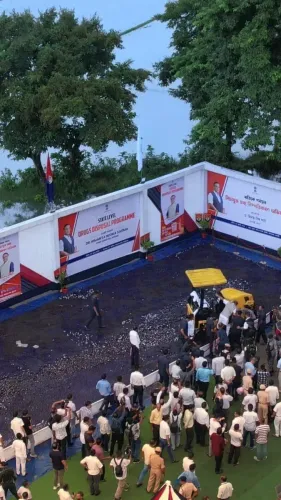
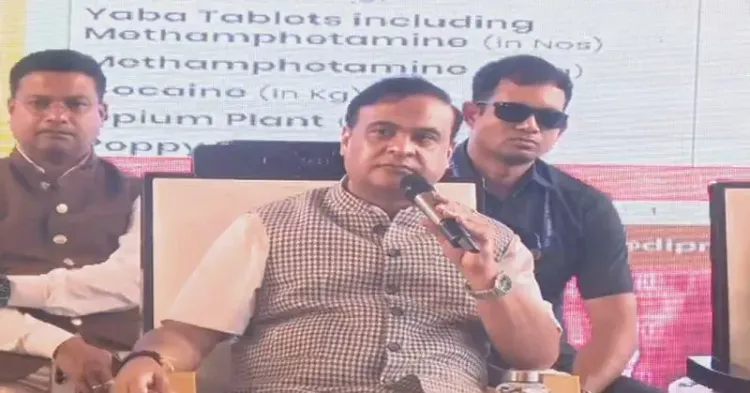
Assam Chief Minister Himanta Biswa Sarma attended the State-level Drug Disposal Programme at Daulasal, Nalbari on 12 July 2026, as part of the state's sustained anti-narcotics campaign under the NDPS Act, reflecting Northeast India's broader fight against Golden Triangle trafficking routes.
Key Takeaways
Assam Chief Minister Himanta Biswa Sarma attended the State-level Drug Disposal Programme at Daulasal, Nalbari on 12 July 2026 .
The programme involved supervised destruction of seized contraband under the central NDPS Act , requiring judicial authorisation.
Assam has intensified anti-narcotics operations since 2021 , including coordinated drives with the Narcotics Control Bureau (NCB) .
Northeast India is a key transit corridor for Golden Triangle narcotics, making Assam's enforcement efforts regionally and nationally significant.
Similar drug disposal programmes have been conducted in Manipur , Mizoram and Arunachal Pradesh , reflecting a coordinated Northeast enforcement pattern.
The Assam Home Department is expected to convene follow-up review meetings to assess outcomes and plan future operations.
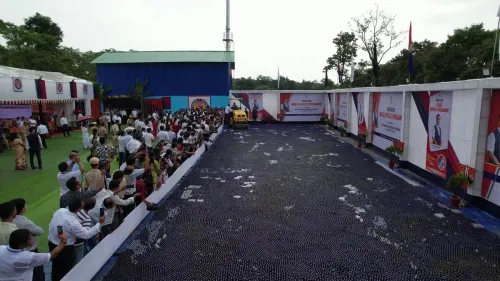
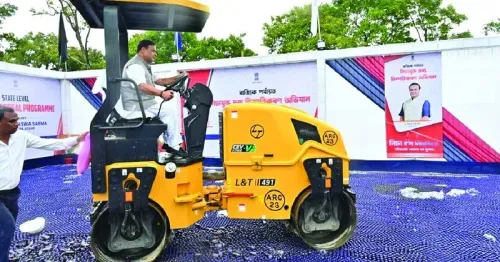
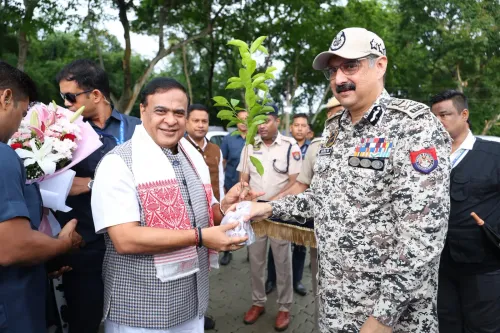
Assam Chief Minister Himanta Biswa Sarma on Sunday, 12 July 2026, attended the State-level Drug Disposal Programme held at Daulasal, Nalbari, reaffirming the state government's sustained campaign against narcotics trafficking and abuse across the region.
Context
The event at Daulasal in Nalbari district, western Assam, brought together state enforcement machinery for a supervised destruction of seized contraband under provisions of the central Narcotic Drugs and Psychotropic Substances (NDPS) Act. Drug disposal programmes of this nature require judicial authorisation and coordinated oversight by Assam Police and central agencies before seized substances can be destroyed. Chief Minister Sarma's presence at the programme underscores the political priority his administration has placed on anti-narcotics enforcement since taking office in 2021.
Policy Backdrop
The Assam government intensified its anti-narcotics drives from 2021 onward, conducting periodic supervised destructions of seized contraband as part of a broader zero-tolerance posture. In 2022, the state launched coordinated operations with the Narcotics Control Bureau (NCB) targeting synthetic drugs and heroin trafficking routes entering from Myanmar through the Northeast corridor. Northeast India occupies a strategic position as a transit corridor for narcotics originating in the Golden Triangle — the drug-producing region spanning parts of Myanmar, Laos and Thailand — making enforcement operations in states like Assam nationally significant.
Successive BJP-led state governments across the Northeast have aligned local operations with NCB guidelines, and high-profile disposal events serve both an enforcement and a public-messaging function. Similar programmes have been conducted in Manipur, Mizoram and Arunachal Pradesh, reflecting a regional pattern of coordinated anti-drug signalling.
Stakeholders and Impact
Assam Police, the NCB, and district administration officials are the primary institutional stakeholders in drug disposal events of this scale. For communities in drug-affected districts, the programmes represent a visible demonstration of state action — particularly relevant for Nalbari and surrounding areas in western Assam where trafficking routes have been a persistent concern. Youth in vulnerable districts stand to benefit most from sustained enforcement, as synthetic drugs and heroin have been documented as significant public-health challenges across the region.
The North-East Democratic Alliance (NEDA), convened by Chief Minister Sarma, has also provided a political framework through which BJP-aligned governments in the Northeast coordinate on shared governance priorities, including anti-narcotics enforcement, lending a regional dimension to what are formally state-level programmes.
What's Next
Attention will now turn to follow-up review meetings that the Assam Home Department may convene to assess the outcomes of the Daulasal disposal programme and to schedule the next round of state-level enforcement actions. Observers will watch whether the administration announces fresh seizure data or operational targets in the weeks ahead, as the government has historically used such events to signal the scale of its interdiction efforts to both the public and central agencies.
Point of View
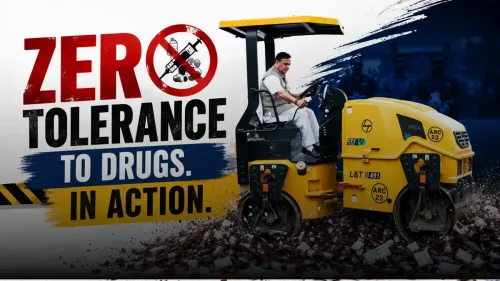
Reinforcing his administration's 'zero-tolerance' brand on narcotics — a theme that has been central to the BJP's governance pitch in Assam since 2021. The choice of Nalbari, a district on western Assam's trafficking routes, signals that enforcement is not confined to border districts alone. Viewed alongside similar programmes in Manipur and Mizoram, the event reflects a broader Northeast BJP strategy of aligning state-level enforcement with NCB's national anti-drug architecture. The recurring nature of these programmes also suggests the administration is as focused on public perception of action as on the operational outcomes themselves.
NationPress
11 Oct 2026
Frequently Asked Questions
What is the State-level Drug Disposal Programme in Assam?
The State-level Drug Disposal Programme is a supervised event where seized narcotic substances are officially destroyed under provisions of the NDPS Act, with judicial authorisation and oversight from Assam Police and central agencies like the NCB.
Where is Daulasal, Nalbari?
Daulasal is a locality in Nalbari district, situated in western Assam, which hosted the state-level drug disposal event on 12 July 2026.
Why is Assam significant in India's anti-narcotics efforts?
Assam sits within Northeast India's Golden Triangle transit corridor, through which narcotics from Myanmar, Laos and Thailand enter the country, making the state a critical front in India's drug interdiction efforts.
What is the NDPS Act and how does it govern drug disposal?
The Narcotic Drugs and Psychotropic Substances Act is India's central legislation governing drug offences; it mandates that seized contraband can only be destroyed after judicial authorisation and supervised verification by designated officials.
What has Assam's government done to fight drugs since 2021?
Since Chief Minister Himanta Biswa Sarma took office in 2021, Assam has conducted intensified anti-narcotics drives, coordinated operations with the NCB targeting synthetic drugs and heroin routes from Myanmar, and held periodic high-profile drug disposal events.