CM Yogi Chairs UP Cabinet Meet at Official Residence
Synopsis
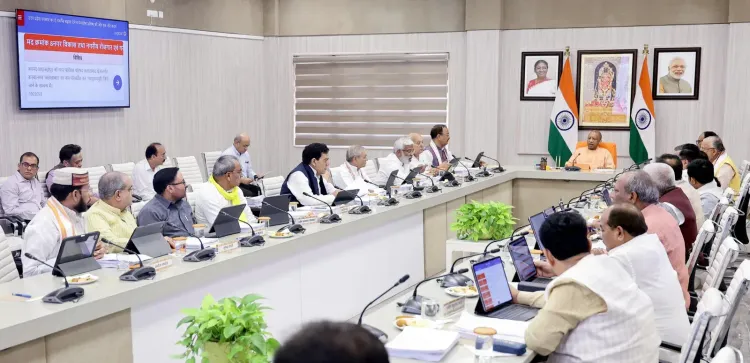
The Chief Minister's Office of Uttar Pradesh announced that CM Yogi Adityanath chaired a cabinet meeting at his official Lucknow residence on 6 July 2026, where key proposals on comprehensive development, good governance, and public amenities were approved.
Key Takeaways
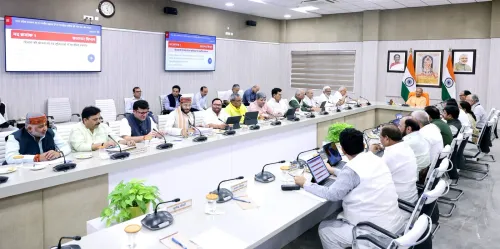
CM Yogi Adityanath presided over a council of ministers meeting at his official residence in Lucknow on 6 July 2026 .
The meeting was announced by the official Chief Minister's Office of Uttar Pradesh on X.
Decisions were taken on proposals related to comprehensive development, good governance, and expansion of public amenities .
No specific proposals or their financial details were disclosed in the official announcement.
Regular cabinet meetings have been a defining feature of the Yogi Adityanath government since 2017 , used to fast-track executive approvals.
Detailed government orders on the approved proposals are expected to be released by state departments in the coming days.
The Chief Minister's Office of Uttar Pradesh announced on Monday, 6 July 2026, that a meeting of the state council of ministers was held at Chief Minister Yogi Adityanath's official residence in Lucknow, with the Chief Minister presiding. Several significant proposals related to the state's overall development, good governance, and expansion of public amenities were decided upon at the meeting.
Context
The official post from the Chief Minister's Office stated: 'mantriparishad ki baithak sampann hui' ('the cabinet meeting was concluded'), with decisions taken on proposals concerning 'samagra vikas, su-shasan evam jan-suvidhaon ka vistar' — meaning comprehensive development, good governance, and the widening of public conveniences. The meeting was chaired by Chief Minister Yogi Adityanath at his official government residence. No specific proposals or their details were disclosed in the announcement.
Policy Backdrop
Since assuming office in March 2017, the Yogi Adityanath-led Bharatiya Janata Party government in Uttar Pradesh has institutionalised regular cabinet meetings at the Chief Minister's residence as a mechanism to expedite approvals for infrastructure, welfare, and administrative reform proposals. After the BJP's re-election in 2022, the administration continued this cabinet-driven model of governance, often described under the 'Double Engine' development framework that aligns state priorities with the central government's agenda.
Uttar Pradesh, India's most populous state, is administered from Lucknow. The current government has consistently positioned 'su-shasan' — or good governance — as a central pillar of its public communication, making cabinet decisions a key instrument of policy delivery across the state's 75 districts.
Stakeholders and Impact
Cabinet decisions in Uttar Pradesh directly affect the state's population of over 24 crore residents, cutting across sectors such as infrastructure, health, education, and public service delivery. State government departments are the primary implementing bodies for any proposals cleared in such meetings, and rollout typically follows through government orders issued in the days and weeks after a cabinet session.
Routine cabinet approvals in Indian states do not require legislative action and come into effect through executive orders, making them a swift instrument for advancing government priorities. For Uttar Pradesh, which has a large and diverse administrative footprint, such meetings serve as the principal vehicle for collective ministerial decision-making.
What's Next
Detailed government orders specifying the individual proposals approved at the 6 July 2026 cabinet meeting are expected to be issued by the relevant state departments in the coming days. Observers will watch for announcements covering infrastructure projects, public welfare schemes, or administrative restructuring that may follow from today's session. The specifics of the decisions will determine the scale and immediate impact of this meeting on the ground.
Point of View
However, leaves the actual policy significance of this particular meeting open until formal government orders are issued.
NationPress
6 Jul 2026
Frequently Asked Questions
What was decided in the UP cabinet meeting on 6 July 2026?
The Chief Minister's Office stated that several important proposals related to the state's overall development, good governance, and expansion of public amenities were decided upon, but specific details of the proposals were not disclosed in the official announcement.
Where was the UP cabinet meeting held?
The cabinet meeting was held at Chief Minister Yogi Adityanath's official government residence in Lucknow , Uttar Pradesh.
Who chaired the Uttar Pradesh cabinet meeting on 6 July 2026?
Chief Minister Yogi Adityanath chaired the meeting of the Uttar Pradesh council of ministers.
How often does the UP cabinet meet?
The Uttar Pradesh cabinet meets regularly, with the Yogi Adityanath government having institutionalised frequent cabinet sessions at the Chief Minister's residence since 2017 to expedite approvals for governance and development proposals.
What is the 'Double Engine' governance model referenced in UP?
The 'Double Engine' model refers to the alignment of the Uttar Pradesh state government's priorities with those of the central government, both led by the BJP , aimed at coordinating development and infrastructure spending across both levels of administration.