Nadda invokes Mookerjee's Article 370 stand, Nehru pact row
Synopsis
BJP National President J. P. Nadda invoked Syama Prasad Mookerjee's 1950 resignation from Nehru's cabinet over the Nehru-Liaquat Pact and his subsequent movement against Article 370, situating the 2019 abrogation within the BJP's decades-long ideological lineage on Jammu and Kashmir.
Key Takeaways
Nadda posted on July 6, 2026 , recalling Syama Prasad Mookerjee 's opposition to the Nehru-Liaquat Pact of April 1950 .
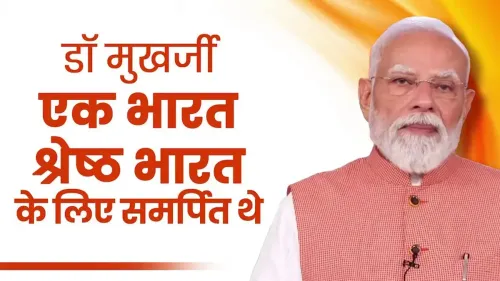
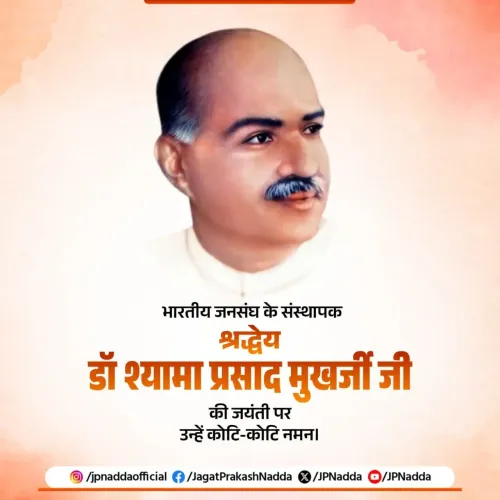
Mookerjee resigned from the Nehru cabinet in 1950 over the pact and went on to found the Bharatiya Jana Sangh .
He launched a public movement to remove Article 370 from Jammu and Kashmir , dying in custody in June 1953 during a related protest.
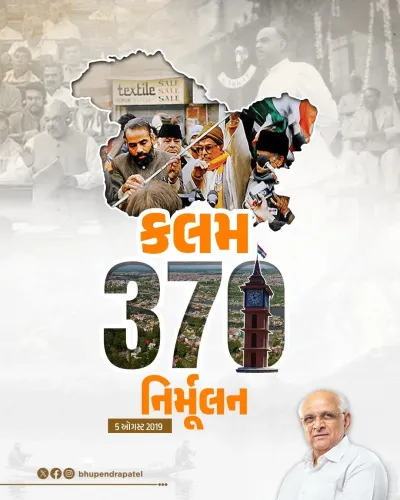
The BJP government revoked Article 370 in August 2019 via presidential order and parliamentary resolution.
Nadda's post frames the 2019 abrogation as the culmination of an ideological struggle dating back over 70 years .
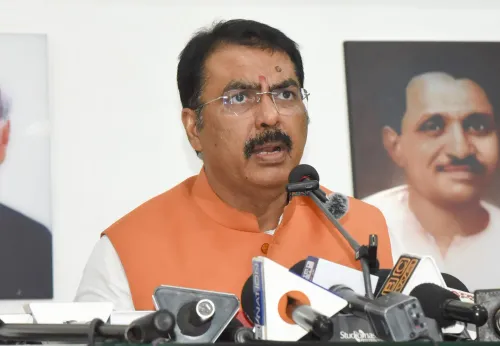
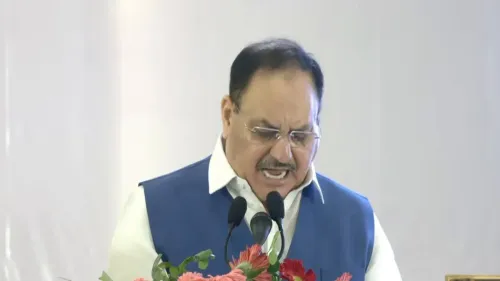
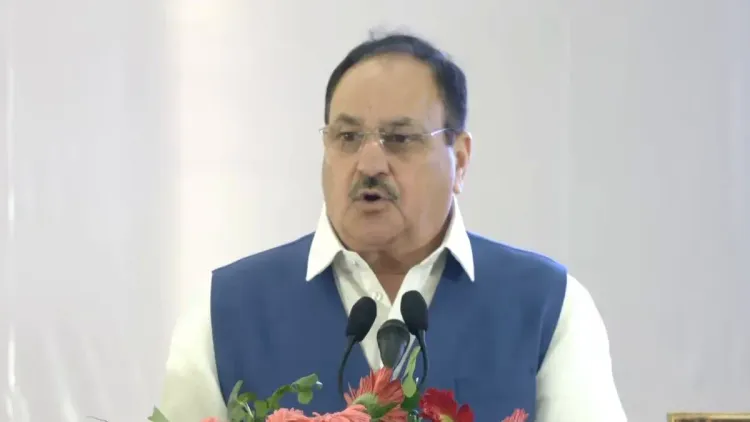
Union Health Minister and BJP National President J. P. Nadda on Monday, July 6, 2026, invoked the legacy of Syama Prasad Mookerjee, recalling how the Jana Sangh founder resigned from Jawaharlal Nehru's cabinet over the Nehru-Liaquat Pact and subsequently launched a movement to abolish Article 370 from Jammu and Kashmir.
Context
Nadda's post, written in Hindi, states: 'Jab Liaqat Ali aur Jawaharlal Nehru ka samjhauta hua to Dr. Mookerjee ji ne Nehru ke is nirnay ka kada virodh kiya tha' — 'When the agreement between Liaquat Ali and Jawaharlal Nehru was reached, Dr. Mookerjee strongly opposed Nehru's decision.' He adds that Mookerjee then resigned from the Nehru cabinet and launched a movement to remove Article 370 from Jammu and Kashmir.
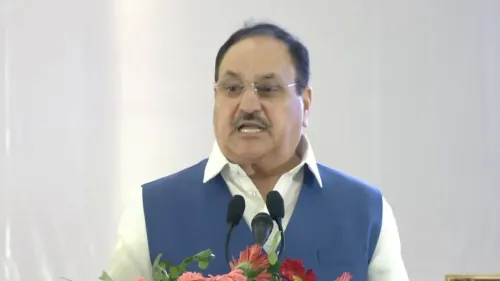
The post is accompanied by a video. The precise occasion for the statement was not specified in the post itself.
Policy Backdrop
The Nehru-Liaquat Pact, signed in April 1950 between India's Prime Minister Jawaharlal Nehru and Pakistan's first Prime Minister Liaquat Ali Khan, was designed to protect minority communities and regulate the movement of refugees and their property across the newly drawn borders of the two nations.
Syama Prasad Mookerjee, then a cabinet minister, viewed the pact as inadequate in protecting Hindu minorities in East Pakistan. He resigned from the Union Cabinet in 1950 and went on to found the Bharatiya Jana Sangh, the ideological predecessor of the BJP. He simultaneously championed the cause of full integration of Jammu and Kashmir into the Indian Union, opposing the special status conferred by Article 370. Mookerjee died in custody in June 1953 while leading a protest against the permit system that restricted entry into Jammu and Kashmir.
Nearly seven decades later, in August 2019, the Government of India revoked Article 370 through a presidential order and parliamentary resolution, reorganising the former state into two union territories — Jammu and Kashmir and Ladakh.
Stakeholders and Impact
The BJP has consistently presented the 2019 abrogation of Article 370 as the fulfilment of a decades-long ideological commitment first articulated by Mookerjee and the Jana Sangh. By drawing a direct line from the 1950 cabinet resignation to the 2019 abrogation, Nadda's post reinforces that historical narrative for the party's base.
Residents of Jammu and Kashmir, political parties across the spectrum, and scholars of constitutional history remain key stakeholders in any public discourse around the region's special status and its removal. Opposition parties have historically contested the BJP's framing of both Mookerjee's legacy and the circumstances of the abrogation.
What's Next
Statements invoking Mookerjee's legacy tend to intensify around his death anniversary in June and during electoral cycles, as the BJP uses his memory to anchor its Kashmir policy within a longer ideological tradition. With Jammu and Kashmir having held assembly elections and the union territory's political consolidation ongoing, references to the pre-1953 debates are likely to remain a recurring feature of BJP political communication. Nadda's post signals that the party intends to keep this historical framing prominent in its public messaging.
Point of View
The 2019 abrogation, to a founding moment of the Jana Sangh's ideological identity. By foregrounding Mookerjee's 1950 cabinet resignation, the party signals that its Kashmir policy is not a modern political calculation but the completion of a 75-year-old promise. This framing serves a dual purpose: it elevates Mookerjee as a martyred visionary and implicitly contrasts the Nehru-era 'compromise' with the current dispensation's 'resolution.' The post is consistent with a broader BJP pattern of using historical revisionism as a tool of political legitimation, particularly on issues of national integration.
NationPress
5 Oct 2026
Frequently Asked Questions
Why did Syama Prasad Mookerjee resign from Nehru's cabinet?
Syama Prasad Mookerjee resigned from the Nehru cabinet in 1950 primarily over the Nehru-Liaquat Pact, which he believed failed to adequately protect Hindu minorities in East Pakistan. He subsequently founded the Bharatiya Jana Sangh and campaigned against Article 370.
What was the Nehru-Liaquat Pact?
The Nehru-Liaquat Pact, signed in April 1950, was an agreement between Indian Prime Minister Jawaharlal Nehru and Pakistani Prime Minister Liaquat Ali Khan to protect minority communities and manage the movement of refugees and their property between the two countries.
What happened to Syama Prasad Mookerjee?
Syama Prasad Mookerjee died in custody in June 1953 while leading a protest against the permit system that restricted entry into Jammu and Kashmir. His death remains a significant reference point in BJP and RSS political memory.
When was Article 370 removed from Jammu and Kashmir?
Article 370 was revoked in August 2019 by the Government of India through a presidential order and a parliamentary resolution. Jammu and Kashmir was simultaneously reorganised into two union territories — Jammu and Kashmir, and Ladakh.
Why is J. P. Nadda talking about Mookerjee and Article 370?
As BJP National President, Nadda regularly invokes Mookerjee's legacy to situate the party's Kashmir policy within a longer ideological tradition. The post reinforces the BJP's narrative that the 2019 abrogation of Article 370 fulfilled a founding commitment of the Jana Sangh movement.