Nadda Invokes Mookerjee's Jana Sangh Legacy, J&K Pledge
Synopsis
BJP president J. P. Nadda on July 6, 2026, paid tribute to Dr. Shyama Prasad Mookerjee, citing his founding of the Bharatiya Jana Sangh against Congress dominance and his vow to secure a single constitution for Jammu and Kashmir — a pledge the BJP links to the 2019 abrogation of Article 370.
Key Takeaways
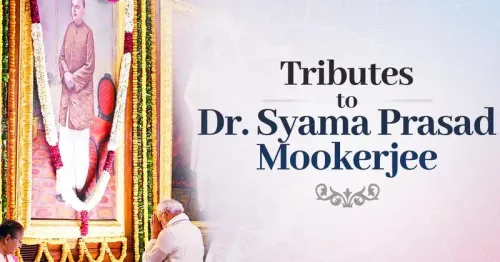
Nadda , Union Health Minister and BJP national president, posted a tribute to Dr.
Shyama Prasad Mookerjee on July 6, 2026 .
Mookerjee founded the Bharatiya Jana Sangh in 1951 as an organised opposition to the Indian National Congress .
Nadda quoted Mookerjee's pledge to the people of Jammu and Kashmir : 'I will give you one constitution, or I will give my life.' Mookerjee died in 1953 while in detention in Jammu and Kashmir during his campaign against the state's special constitutional status under Article 370 .
The BJP frames the August 2019 abrogation of Article 370 as the fulfilment of Mookerjee's founding ideological commitment.
The Bharatiya Jana Sangh is the direct organisational predecessor of the BJP , having reconstituted in 1980 after the Janata Party experiment.
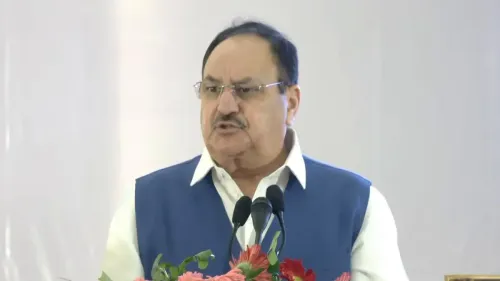
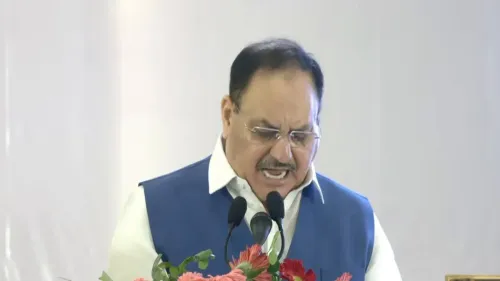
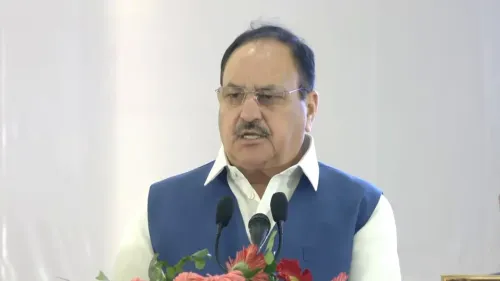
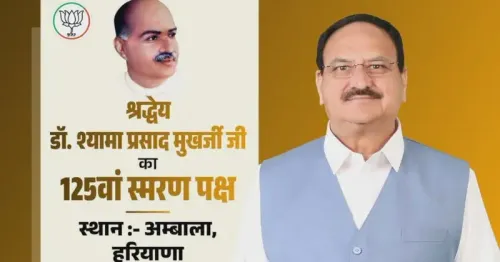
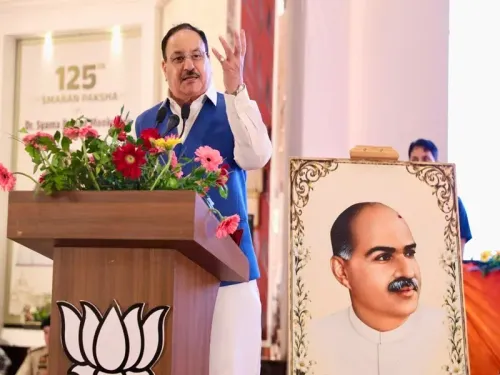
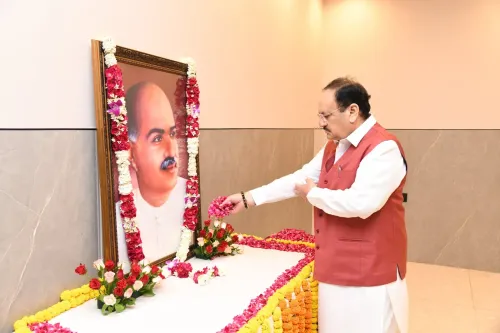
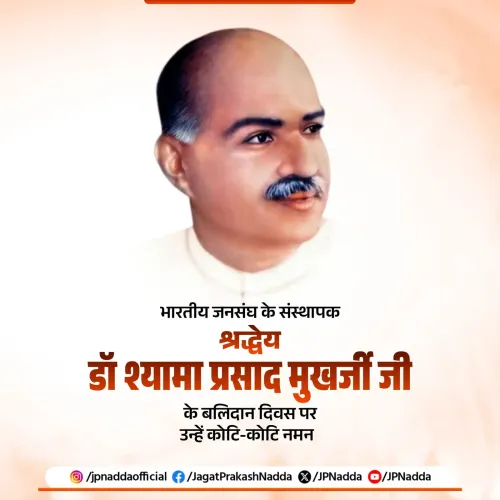
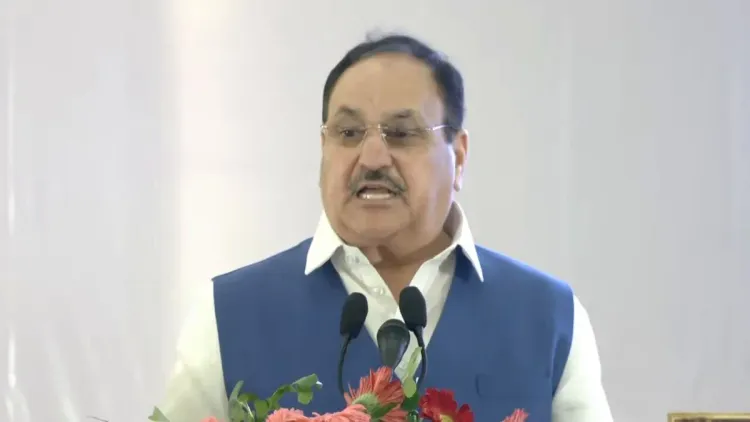
Union Health Minister and BJP national president J. P. Nadda on Monday, July 6, 2026, paid tribute to Dr. Shyama Prasad Mookerjee, recalling the founding of the Bharatiya Jana Sangh as a counter to Congress dominance and invoking Mookerjee's historic pledge on Jammu and Kashmir's constitutional future.
Context
In his post, Nadda quoted Mookerjee as having told the people of Jammu and Kashmir: 'Main aapko ek Samvidhan dunga, nahin toh apna balidan dunga' ('I will give you one constitution, or I will give my life'). He also noted that Mookerjee had established the Bharatiya Jana Sangh specifically to build a strong opposition against the Indian National Congress. The post was accompanied by a video, underlining the commemorative nature of the tribute.
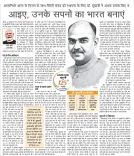
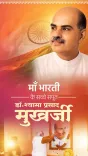
Mookerjee, a former Union minister who broke with Jawaharlal Nehru's cabinet, founded the Jana Sangh in 1951 as an organised political alternative to one-party dominance. His ideological opposition to Article 370 — the constitutional provision granting special status to Jammu and Kashmir — became the defining cause of his political life and, ultimately, of his death.
Policy Backdrop
Mookerjee died in 1953 while in detention in Jammu and Kashmir, having entered the state in defiance of a permit system that required separate documentation for Indian citizens to travel there — a direct consequence of the state's special constitutional status. His campaign against this arrangement became a foundational plank of the Jana Sangh and its ideological successor, the BJP.
The Bharatiya Jana Sangh merged into the Janata Party in 1977, and its cadre later reconstituted as the BJP in 1980. The party consistently maintained Mookerjee's position on Article 370 across decades. In August 2019, Parliament abrogated Article 370, ending Jammu and Kashmir's special status — an act the BJP framed as the fulfilment of a promise stretching back to Mookerjee's era.
Stakeholders and Impact
For the BJP's organisational base, tributes to Mookerjee carry strong ideological weight, reinforcing the party's self-image as the inheritor of a principled, long-term commitment to national integration. The invocation of the 'ek Samvidhan' ('one constitution') pledge is particularly resonant given the 2019 constitutional changes in Jammu and Kashmir.
Residents of Jammu and Kashmir, now a Union Territory, remain direct stakeholders in the political narrative built around Mookerjee's legacy. The opposition, principally the Indian National Congress, has historically contested this framing, arguing that Article 370's abrogation bypassed democratic processes in the region.
What's Next
Official commemorations around Mookerjee's death anniversary and the political calendar in Jammu and Kashmir — including any future electoral developments in the Union Territory — are likely to keep this ideological narrative active. The BJP's continued invocation of Mookerjee signals that his legacy will remain central to the party's political messaging on national integration and constitutional uniformity.
Point of View
Tying the BJP's present governance record directly to its foundational mythology. By quoting Mookerjee's 'one constitution' pledge, Nadda implicitly validates the 2019 abrogation of Article 370 as the culmination of a 70-year-old promise, lending it historical legitimacy rather than framing it as a contemporary political decision. This pattern of invoking founding figures is a recurring BJP communications strategy, designed to project continuity and inevitability. It also serves a mobilisation function, reinforcing party identity among a base for whom Mookerjee is a martyred hero of national integration.
NationPress
6 Jul 2026
Frequently Asked Questions
Who was Dr. Shyama Prasad Mookerjee?
Dr. Shyama Prasad Mookerjee was an Indian politician who founded the Bharatiya Jana Sangh in 1951 as an opposition to Congress dominance. He died in 1953 while in detention in Jammu and Kashmir during his protest against the state's special constitutional status under Article 370.
What was Mookerjee's pledge on Jammu and Kashmir?
Mookerjee pledged to the people of Jammu and Kashmir that he would secure for them a single constitution applicable to all of India, or sacrifice his life in the effort — a vow the BJP has long cited as ideological justification for opposing Article 370.
What is the Bharatiya Jana Sangh and its connection to the BJP?
The Bharatiya Jana Sangh was a political party founded by Dr. Shyama Prasad Mookerjee in 1951. It merged into the Janata Party in 1977, and its cadre reconstituted as the Bharatiya Janata Party (BJP) in 1980, making the Jana Sangh the BJP's direct organisational predecessor.
Why did J. P. Nadda post about Mookerjee?
Nadda's post appears to be a tribute marking Mookerjee's legacy, recalling his founding of the Jana Sangh and his commitment to Jammu and Kashmir's constitutional integration. Such tributes are a regular feature of BJP political communication around key ideological anniversaries.
How does Mookerjee's legacy relate to the 2019 Article 370 abrogation?
The BJP has consistently framed the August 2019 abrogation of Article 370 — which ended Jammu and Kashmir's special constitutional status — as the fulfilment of Mookerjee's founding demand for a single constitution applicable uniformly across India.