Mandaviya Cycles with IAS Probationers at LBSNAA Mussoorie
Synopsis
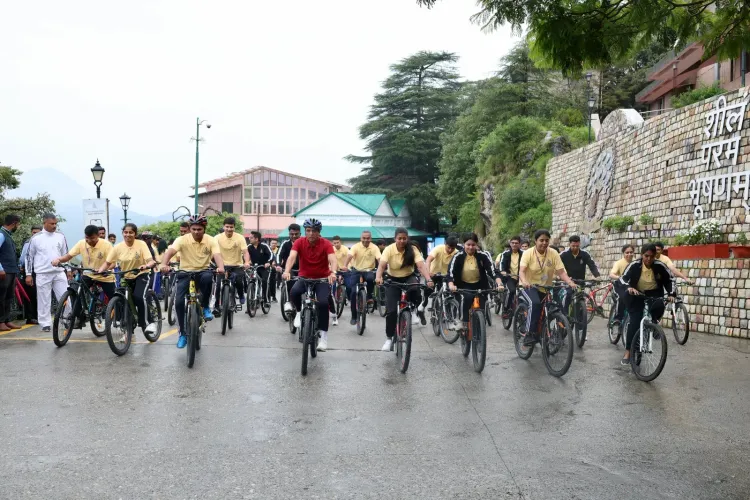
Union Sports Minister Mansukh Mandaviya cycled with IAS probationers at LBSNAA in Mussoorie on 6 July 2026, reinforcing the government's push to embed physical fitness within civil services leadership training under the Fit India Movement.
Key Takeaways
Union Sports Minister Mansukh Mandaviya participated in a cycling ride with IAS probationers at LBSNAA, Mussoorie on 6 July 2026 .
Mandaviya framed the event around the message: 'Fitness fuels leadership.
Leadership builds the nation.' LBSNAA in Mussoorie, Uttarakhand is the apex training institute for newly recruited IAS officers .
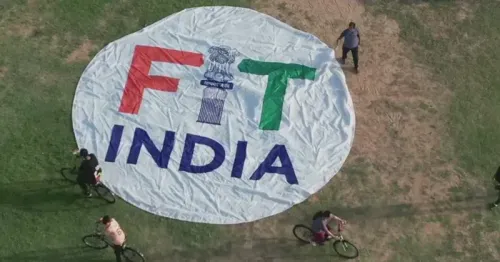
The ride aligns with the Fit India Movement , launched in 2019 to promote physical activity across all sections of society.
The visit may prompt discussion on formalising structured fitness modules within the IAS foundation course curriculum.
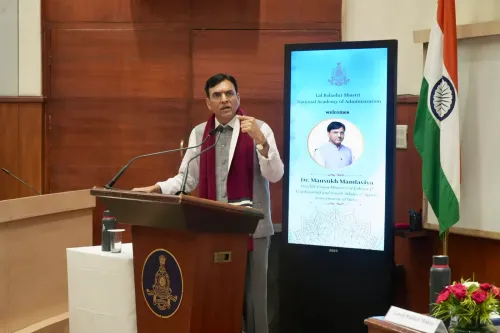
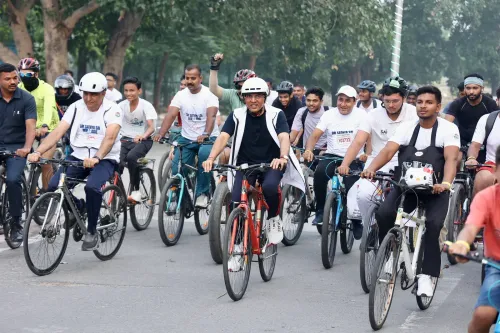
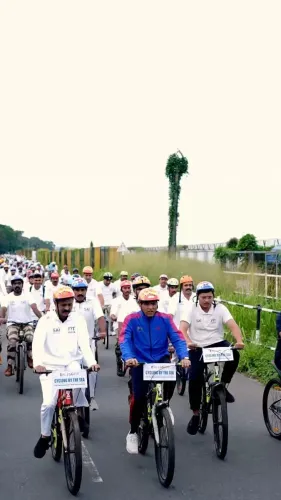
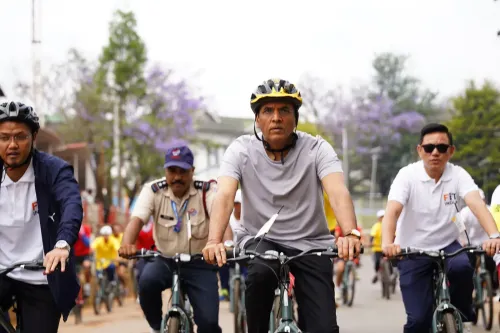
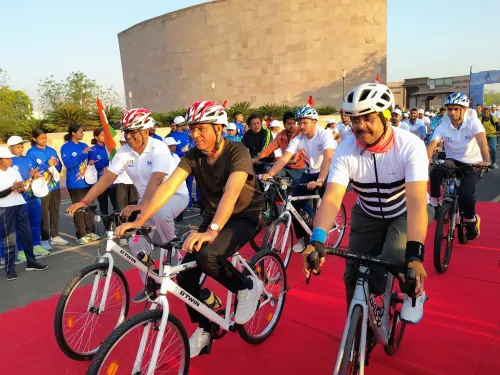
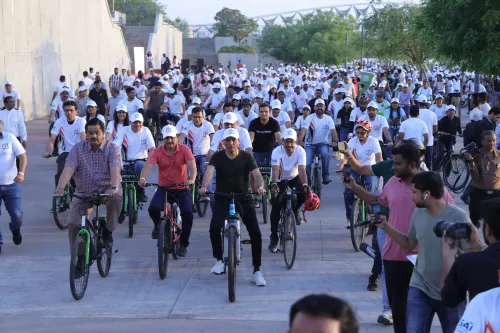
Union Labour and Sports Minister Mansukh Mandaviya joined a cycling ride with young IAS probationers at the Lal Bahadur Shastri National Academy of Administration (LBSNAA) in Mussoorie on Monday, 6 July 2026, underlining his message that physical fitness is foundational to effective governance.
Context
Sharing photographs from the ride, Mandaviya wrote: 'Fitness fuels leadership. Leadership builds the nation.' The post, accompanied by four images from the LBSNAA campus, captured the minister cycling alongside a group of energetic young officers-in-training on the Mussoorie hillside.
LBSNAA is the apex training institution for Indian Administrative Service probationers, located in the hill town of Mussoorie, Uttarakhand. Every batch of newly recruited IAS officers undergoes a mandatory foundation course here before being assigned to their respective cadres.
Policy Backdrop
The cycling ride aligns with the Fit India Movement, launched in 2019, which seeks to mainstream physical activity across all segments of Indian society, including government personnel. The movement has been a flagship initiative encouraging institutions — from schools to central ministries — to embed structured fitness routines into daily life.
As Union Minister for Youth Affairs and Sports, Mandaviya has consistently championed the idea that wellness and administrative effectiveness are interlinked. Participation by a senior cabinet minister in fitness activities alongside civil service trainees sends a signal about the government's intent to institutionalise this culture within the bureaucracy.
Stakeholders and Impact
IAS probationers at LBSNAA represent the future of India's administrative apparatus. Exposure to fitness-oriented leadership at the foundation stage of their careers can shape institutional habits that persist across decades of public service.
Broader stakeholders include the Ministry of Youth Affairs and Sports, the Department of Personnel and Training (DoPT), and state training academies that often model their programmes on the LBSNAA curriculum. Interactions of this kind may influence how physical fitness is weighted within the foundation course structure going forward.
What's Next
Observers will watch whether this visit leads to formalised fitness modules being incorporated into the IAS foundation course at LBSNAA, or whether similar events are replicated at state administrative training institutes across the country. The Fit India Movement's outreach to civil servants has been an evolving component of the programme since its inception, and ministerial participation at the academy level could accelerate that integration.
If structured fitness requirements are eventually embedded in civil services training nationally, Mussoorie may well mark the symbolic starting point of that shift.
Point of View
The Sports Minister is attempting to normalise fitness as a leadership value rather than a personal choice. This fits a broader pattern of using high-visibility ministerial participation to drive behavioural change within institutions that formal policy alone cannot easily reach. Whether the visit translates into curriculum changes at LBSNAA or remains a symbolic photo opportunity will be the real test of its policy weight.
NationPress
5 Oct 2026
Frequently Asked Questions
Why did Mansukh Mandaviya visit LBSNAA Mussoorie?
Mansukh Mandaviya visited LBSNAA, Mussoorie to participate in a cycling ride with young IAS probationers , promoting the idea that physical fitness is essential to effective leadership and governance.
What is LBSNAA and where is it located?
LBSNAA , or the Lal Bahadur Shastri National Academy of Administration , is located in Mussoorie, Uttarakhand . It is India's premier training institution for newly recruited IAS officers undergoing their mandatory foundation course.
What is the Fit India Movement?
The Fit India Movement was launched in 2019 to encourage physical activity and fitness among all sections of Indian society, including government employees and institutions.
What did Mansukh Mandaviya say about fitness and leadership?
Mandaviya posted: 'Fitness fuels leadership. Leadership builds the nation,' framing physical fitness as a prerequisite for effective public administration.
Will fitness become a formal part of IAS training at LBSNAA?
No formal announcement has been made, but Mandaviya 's visit to LBSNAA has renewed discussion about potentially embedding structured fitness modules into the IAS foundation course curriculum.