CM Yogi contrasts pre-2014 India with BJP's governance record
Synopsis
UP Chief Minister Yogi Adityanath posted a pointed Hindi indictment of pre-2014 India, citing corruption, disorder, and the Congress party's treatment of youth and the poor as a vote bank — a move widely read as early positioning ahead of the 2027 UP assembly elections.
Key Takeaways
CM Yogi Adityanath posted on 30 October 2026 contrasting conditions in India before and after 2014 .
The post listed filth, poverty, anarchy, corruption, insecurity, and disorder as defining features of the pre-2014 era.
It specifically charged the Indian National Congress with treating the poor as a vote bank and ignoring the youth.
The UPA-II government (2009–2014) faced major corruption scandals including the 2G spectrum and coal allocation cases.
The Swachh Bharat Mission was launched in October 2014 as the BJP government's direct response to sanitation failures.
The post is seen as early electoral positioning ahead of the 2027 Uttar Pradesh assembly elections .
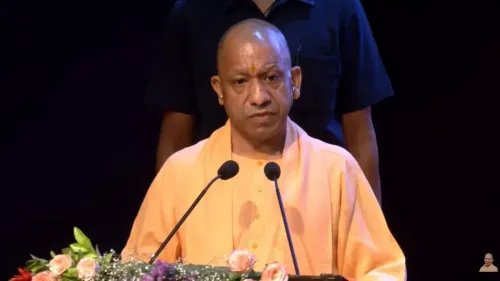
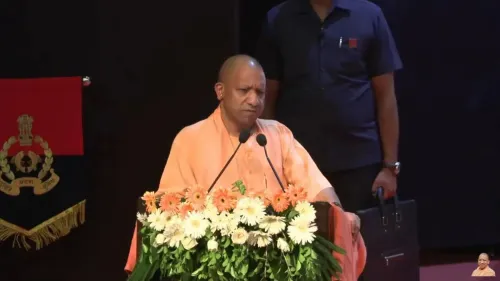
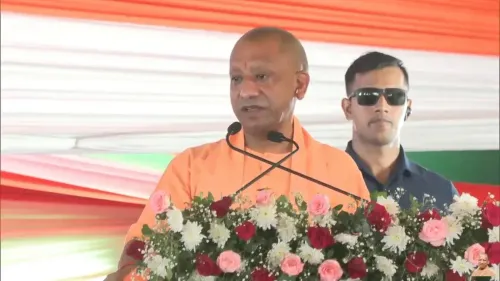
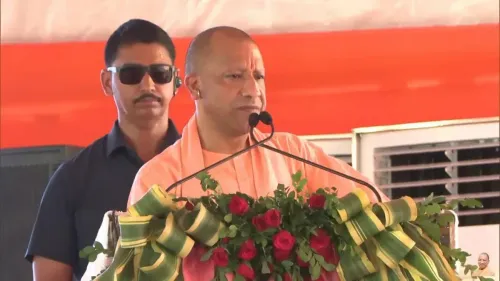
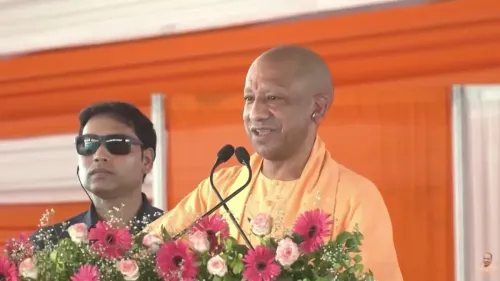
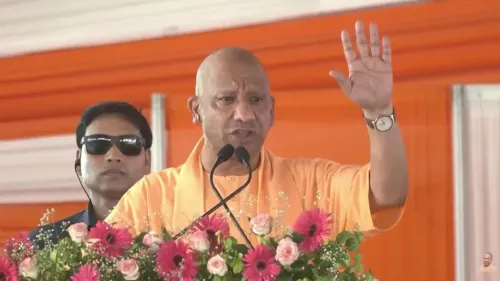
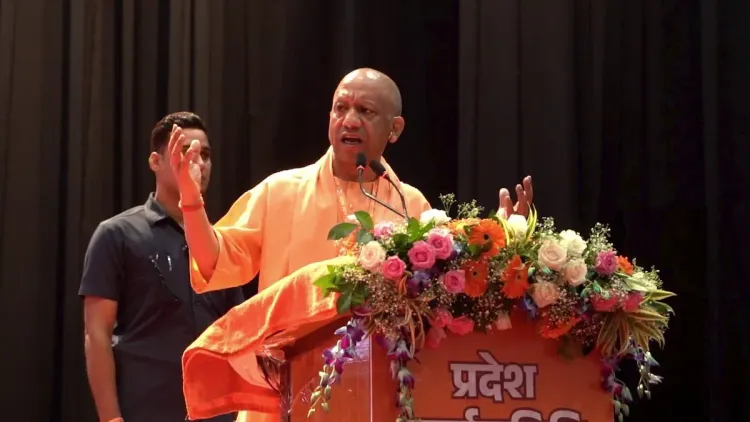
Ahead of what political watchers see as an early salvo in the battle for Uttar Pradesh's 2027 assembly elections, Uttar Pradesh Chief Minister Yogi Adityanath delivered a sharp, sweeping indictment of the decade before Narendra Modi came to power — painting pre-2014 India as a country of dirt, poverty, anarchy, corruption, insecurity, and disorder.
Posting on Friday, 30 October 2026, the Chief Minister wrote in Hindi: 'वर्ष 2014 के पहले का भारत कैसा था? गंदगी थी, गरीबी थी, अराजकता थी, भ्रष्टाचार था, असुरक्षा थी, अव्यवस्था थी...' — translated: 'What was India like before 2014? There was filth, there was poverty, there was anarchy, there was corruption, there was insecurity, there was disorder...' The post ended with a pointed two-part charge: that the youth were not part of the government's agenda, and that the poor were reduced to nothing more than a vote bank for the Indian National Congress.
The corruption backdrop that fuels BJP's 2014 narrative
The contrast CM Yogi draws is not rhetorical decoration — it is rooted in a specific chapter of Indian political history. The UPA-II government (2009–2014), led by the Congress, became synonymous with a cascade of high-profile corruption scandals: the 2G spectrum allocation case and the coal block allocation scandal, both of which erupted between 2010 and 2013, eroded public trust and handed the opposition a defining campaign weapon. The 2014 general election verdict — a decisive BJP-led NDA majority — was widely read as a popular mandate against that record.
The Swachh Bharat Mission, launched in October 2014 within weeks of Modi taking office, was the new government's direct answer to the 'filth' charge — a national sanitation drive that became one of BJP's most-cited governance symbols. Yogi Adityanath's post effectively compresses that entire policy arc into a single rhetorical question.
Youth and the poor: the two pressure points in the post
The deliberate mention of youth and the rural poor is anything but accidental. Both groups represent enormous electoral blocs in Uttar Pradesh, India's most populous state and the one CM Yogi governs. By framing the Congress era as one in which youth were ignored and the poor were instrumentalised, the post attempts to own the aspirational and welfare narratives simultaneously — a dual appeal that has underpinned BJP's state and national campaigns since 2014.
With the 2027 Uttar Pradesh assembly elections on the horizon, this kind of pointed historical framing is likely to intensify. Opposition parties — including the Congress and Samajwadi Party — are expected to push back with their own counter-narratives on unemployment and rural distress under the current dispensation. The rhetorical ground is being staked out, one post at a time.
Point of View
Which converts a decade-old electoral verdict into a perpetually renewable political resource. By singling out youth exclusion and the instrumentalisation of the poor, he is targeting the exact fault lines that will define the 2027 UP contest. The timing — well over a year before polling — signals that the party intends to shape the historical memory of Congress rule early, forcing opponents onto the defensive before their own narratives gain traction. Whether the opposition can shift the conversation from the past to present-day metrics like unemployment and inflation will determine whether this framing retains its punch.
NationPress
31 Oct 2026
Frequently Asked Questions
What did CM Yogi Adityanath say about pre-2014 India?
CM Yogi Adityanath posted in Hindi asking what India was like before 2014, listing filth, poverty, anarchy, corruption, insecurity, and disorder as its defining conditions, and charging the Congress with ignoring youth and treating the poor as a vote bank.
Why is Yogi Adityanath criticising the Congress now in 2026?
Political analysts link the timing to early positioning ahead of the 2027 Uttar Pradesh assembly elections, with BJP leaders deploying the pre-2014 versus post-2014 contrast as a standard campaign narrative.
What corruption scandals marked the UPA government before 2014?
The UPA-II government (2009–2014) faced major corruption allegations including the 2G spectrum allocation case and the coal block allocation scandal, both of which surfaced between 2010 and 2013.
What is the Swachh Bharat Mission and how does it relate to Yogi's post?
The Swachh Bharat Mission was launched in October 2014 by the Modi government to address nationwide sanitation deficits — a direct policy response to the 'filth' charge that BJP leaders, including CM Yogi, associate with the pre-2014 era.
When are the next Uttar Pradesh assembly elections?
The next Uttar Pradesh assembly elections are due in 2027, and CM Yogi's post is widely seen as early political groundwork ahead of that contest.