CM Yogi Pushes War-Footing Rollout of Patel Skill Zones Across UP
Synopsis
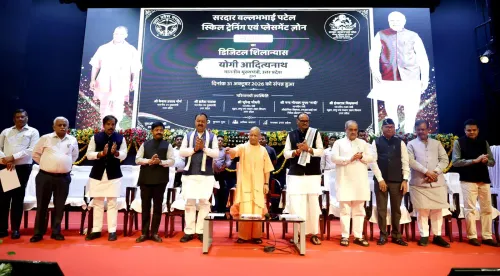
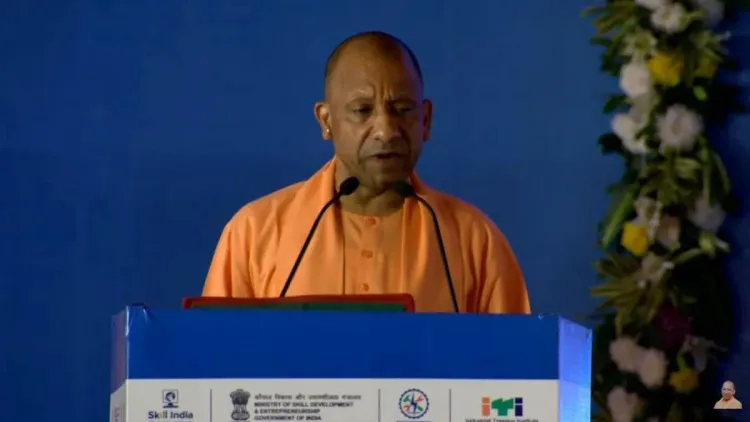
Chief Minister Yogi Adityanath declared on 21 November 2026 that Uttar Pradesh is fast-tracking 'Sardar Vallabhbhai Patel Skill and Employment Zones' across all 75 districts, aiming to bring vocational training and job placement infrastructure directly to the district level.
Key Takeaways
CM Yogi Adityanath announced on 21 November 2026 that work on Sardar Vallabhbhai Patel Skill and Employment Zones is advancing at 'war footing' across Uttar Pradesh .
The scheme targets every district in the state — all 75 of them — with dedicated skill development and employment infrastructure.
The initiative is named after Sardar Vallabhbhai Patel , India's first Deputy Prime Minister, underscoring its political and symbolic framing.
The push aligns with the National Skill Development Mission launched in 2015 and the BJP government's district-level human capital agenda since 2017 .
District-wise implementation timelines and actual job placement outcomes remain the key metrics to watch for assessing real-world impact.
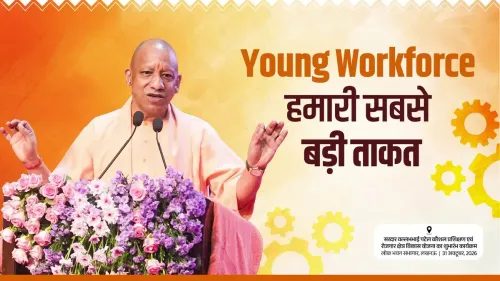
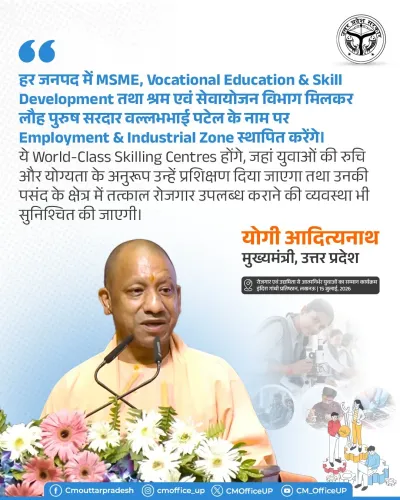
Every district in Uttar Pradesh is being wired for jobs — and Uttar Pradesh Chief Minister Yogi Adityanath wants the work done at war speed. On Saturday, 21 November 2026, the Chief Minister announced on X that the drive to establish a 'Sardar Vallabhbhai Patel Skill and Employment Zone' in every district of the state is advancing at full throttle.
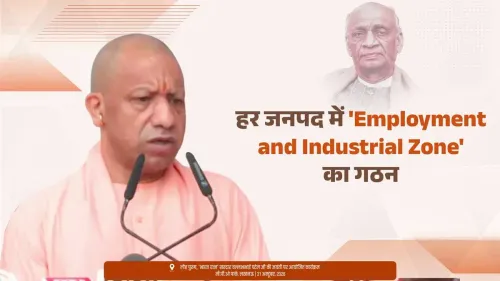
The post, written in Hindi, states: 'Har janpad mein Sardar Vallabhbhai Patel Skill and Employment Zone vikasit karne ki karyavahi yuddha star par aage badhi hai' — 'The work of developing a Sardar Vallabhbhai Patel Skill and Employment Zone in every district is moving forward at war footing.' The language is deliberate. This is not a pilot or a proposal. It is a mobilisation.
What the Patel Skill Zones Are Meant to Do
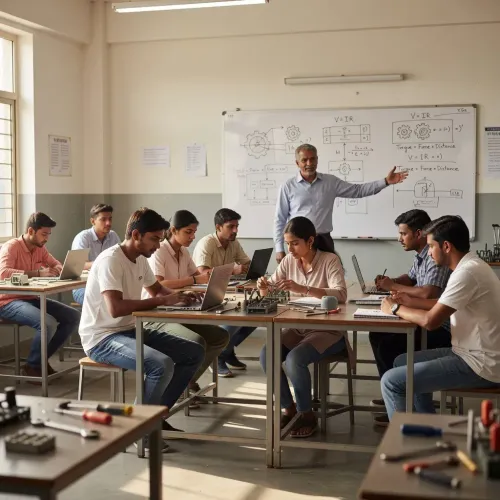
The Sardar Vallabhbhai Patel Skill and Employment Zone scheme is a Uttar Pradesh government initiative designed to place skill development and job placement infrastructure directly at the district level — bringing training closer to where the state's vast youth population actually lives. Naming the scheme after Sardar Vallabhbhai Patel, India's first Deputy Prime Minister and the architect of national unification, is a pointed political choice: it anchors a modern employment drive in the legacy of a leader celebrated for getting things done fast and at scale.
The district-level design matters. Uttar Pradesh has 75 districts spread across a population that rivals entire large nations. Centralised training hubs in Lucknow or Noida alone cannot absorb that demand. By anchoring zones in every district, the government is betting on geographic spread as the multiplier.
UP's Skill Push in a Longer Policy Thread
This announcement sits inside a well-established pattern. Since 2017, the BJP government in Uttar Pradesh under Chief Minister Adityanath has consistently framed district-level infrastructure — for training, industry linkage, and job placement — as central to its economic agenda. That aligns with the National Skill Development Mission launched in 2015, which set a national ambition to place millions in vocational training pathways for better employability.
Youth unemployment in Uttar Pradesh has historically been one of the state's most politically live pressure points. Any government that can credibly claim to be generating jobs — or at least the conditions for jobs — at district scale holds a significant electoral and administrative argument. The 'war footing' framing is designed to signal that the gap between announcement and ground reality is being closed, not widened.
What will ultimately determine the scheme's impact is what comes next: district-wise timelines, training capacity numbers, and — the hardest metric of all — actual placement outcomes for the young people who walk through these zones. Those numbers, when they arrive, will be the real verdict.
Point of View
Not an announcer, at a moment when youth employment credibility is a live political asset. Naming the zones after Sardar Patel knits the scheme into a BJP-favoured nationalist lineage while sidestepping the Congress-era framing of welfare schemes. The district-first architecture also reflects a hard lesson from India's skill development history: centralised hubs tend to underserve the rural majority. If placement data follows, this could become a replicable model; if it stalls at construction, it joins a long list of well-branded infrastructure with thin outcomes.
NationPress
21 Nov 2026
Frequently Asked Questions
What is the Sardar Vallabhbhai Patel Skill and Employment Zone in UP?
It is a Uttar Pradesh government initiative to establish skill development and job placement centres in every district of the state, aimed at improving vocational training access and employability for local youth.
How many districts will get a Patel Skill Zone in Uttar Pradesh?
The scheme targets all 75 districts of Uttar Pradesh, bringing training and employment infrastructure directly to the district level rather than concentrating it in major cities.
Why is the scheme named after Sardar Vallabhbhai Patel?
Sardar Vallabhbhai Patel was India's first Deputy Prime Minister, celebrated for unifying the country after independence. Naming the scheme after him anchors it in a legacy of decisive, large-scale national action.
What did CM Yogi say about the skill zones on 21 November 2026?
Chief Minister Yogi Adityanath posted on X that work to develop a Sardar Vallabhbhai Patel Skill and Employment Zone in every district is advancing at 'war footing', signalling an accelerated rollout.
How does the UP skill zone scheme relate to the National Skill Development Mission?
The National Skill Development Mission, launched in 2015, set a national framework for vocational training. The UP scheme builds on that policy lineage by deploying district-level infrastructure to meet the state's large youth employment demand.