CM Yogi Frames July 12 Tree Drive as Cultural Gratitude
Synopsis
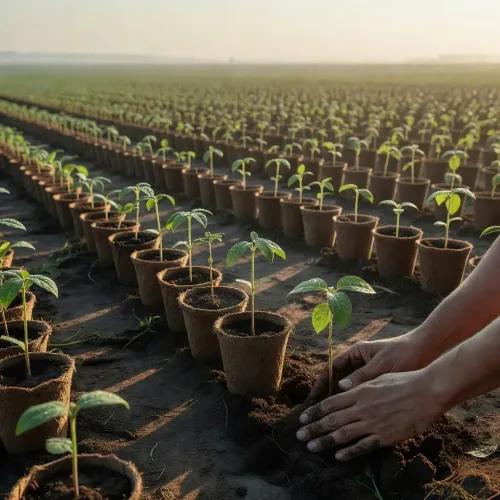
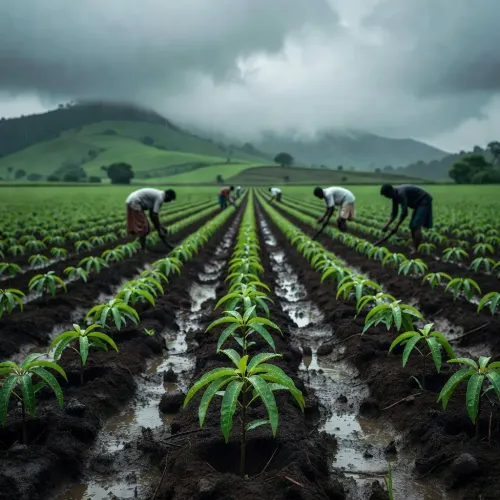
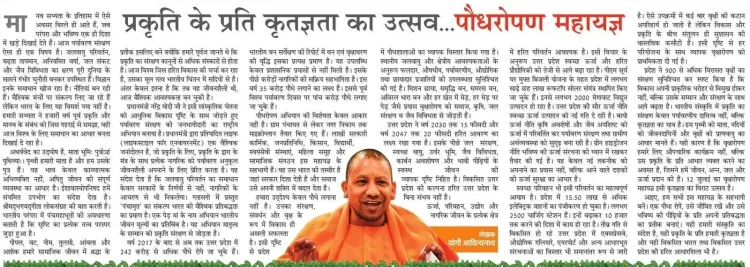
On 12 July 2026, Uttar Pradesh Chief Minister Yogi Adityanath framed the state's annual mass tree-plantation drive as a cultural celebration of gratitude towards nature, calling it a 'Vrikshaaropan Mahayagya' in an article published in Amar Ujala, extending a conservation campaign tradition begun in 2017.
Key Takeaways
CM Yogi Adityanath posted on 12 July 2026 framing the state's tree-plantation drive as an act of cultural gratitude, not just an environmental exercise.
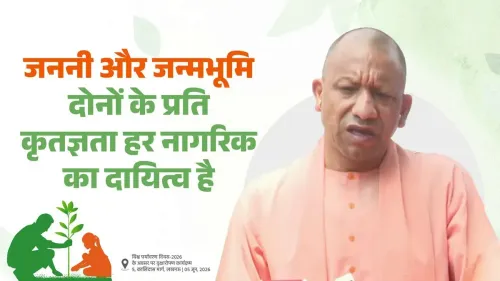
He described the earth as a mother, rivers as life-givers, and trees as the foundation of the breath of life, drawing on Indian cultural tradition .
The drive is called Vrikshaaropan Mahayagya — a 'grand tree-plantation ritual' — reflecting the administration's practice of linking policy with cultural symbolism.
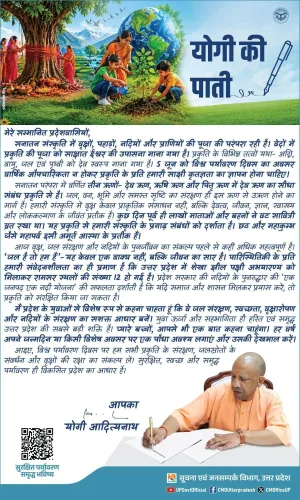
The Chief Minister published a full opinion piece on the subject in Amar Ujala , a major Hindi-language daily, signalling a deliberate public-messaging push.
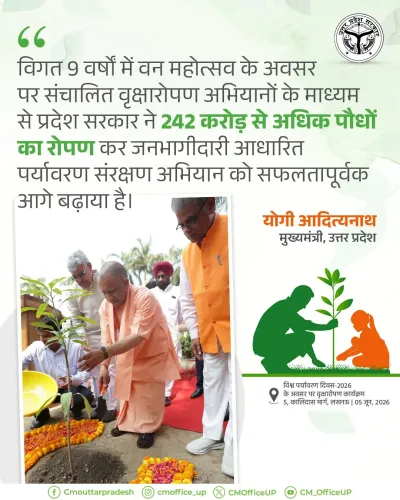
Uttar Pradesh has conducted annual monsoon plantation campaigns since 2017 , several of which set state records for saplings planted in a single day.
Survival rates of saplings and any new forest-cover targets from the state assembly monsoon session remain key metrics to watch.
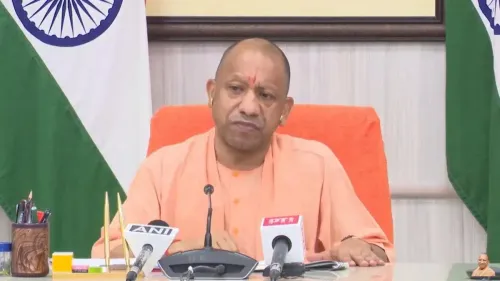
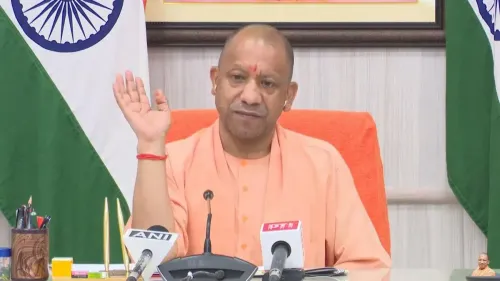
Uttar Pradesh Chief Minister Yogi Adityanath on Sunday, 12 July 2026, called the state's mass tree-plantation drive a Vrikshaaropan Mahayagya (grand tree-plantation ritual), framing conservation not as a regulatory duty but as an act of gratitude rooted in Indian cultural tradition. Writing in a piece published in the Hindi daily Amar Ujala, the Chief Minister articulated a philosophy that places the earth, rivers, and trees within a framework of reverence rather than mere environmental policy.
Context
In his post, Yogi Adityanath wrote: 'Prakriti ke prati kritagyata ka utsav... Paudhropan Mahayagya' — 'A celebration of gratitude towards nature... the grand tree-plantation ritual.' He stated that in Indian culture, the protection of nature is not merely an environmental responsibility but an expression of thankfulness — a sentiment that treats the earth as a mother, rivers as life-givers, and trees as the foundation of the breath of life. The 12 July plantation drive, he argued, is a 'grand celebration of this very gratitude.'
The post directed followers to read his full article published in Amar Ujala, a major Hindi-language daily with wide circulation across Uttar Pradesh and northern India.
Policy Backdrop
Since 2017, the Uttar Pradesh government has organised annual monsoon tree-plantation campaigns, several of which have set state records for the number of saplings planted in a single day or season. These drives are typically held during the monsoon months of July and August, when soil conditions favour sapling survival.
Yogi Adityanath's administration has consistently presented these environmental programmes through a cultural and religious lens, equating conservation with traditional reverence for nature. This framing aligns with a broader governance approach that links policy action with Hindu cultural symbols and practices, positioning environmental stewardship as an extension of civilisational values rather than a standalone regulatory exercise.
Stakeholders and Impact
The primary beneficiaries of the Vrikshaaropan Mahayagya are Uttar Pradesh's residents — the state is home to over 24 crore people and faces significant pressures on forest cover, air quality, and groundwater. Community participation has been a stated goal of past drives, with local bodies, schools, and religious institutions mobilised to plant saplings.
The cultural framing employed by the Chief Minister is also significant for public engagement: by positioning tree-planting as a sacred act of gratitude rather than a government scheme, the administration seeks to drive voluntary participation beyond institutional mandates. Local communities across the state's 75 districts are typically involved in such campaigns.
What's Next
Attention will now turn to the scale of the 12 July 2026 drive — specifically the number of saplings planted and the mechanisms put in place to monitor survival rates in subsequent months, a metric that has drawn scrutiny in past campaigns. Any follow-up announcements on forest cover targets or green infrastructure policy may emerge during the Uttar Pradesh state assembly's monsoon session. The Chief Minister's decision to publish a full-length opinion piece in a mass-circulation Hindi daily signals that the administration intends this year's drive to carry significant public messaging weight beyond a routine annual event.
Point of View
The administration converts a routine state programme into a participatory civilisational act, broadening its appeal beyond policy audiences. This approach has been a consistent feature of the BJP government in Uttar Pradesh since 2017, where policy rollouts in domains from water conservation to urban development are routinely presented through a Hindu cultural lens. The decision to publish a full opinion article in a mass-circulation Hindi daily, rather than issuing a standard government press note, suggests the administration is investing in the narrative architecture around this year's drive ahead of what may be a record-scale event. Observers will watch whether the cultural framing translates into measurable public participation and, critically, into improved sapling survival rates — the metric that has historically exposed gaps between campaign ambition and on-ground outcomes.
NationPress
12 Jul 2026
Frequently Asked Questions
What is the Vrikshaaropan Mahayagya in Uttar Pradesh?
The Vrikshaaropan Mahayagya is Uttar Pradesh's annual mass tree-plantation drive held during the monsoon season, framed by Chief Minister Yogi Adityanath as a grand cultural ritual of gratitude towards nature rather than a routine government programme. The 2026 edition was scheduled for 12 July.
Why did CM Yogi Adityanath write about tree plantation in Amar Ujala?
CM Yogi Adityanath published an opinion article in Amar Ujala on 12 July 2026 to articulate the cultural and philosophical basis for the state's tree-plantation drive, arguing that conservation in Indian tradition is an expression of gratitude towards nature rather than merely an environmental obligation.
How long has Uttar Pradesh been conducting tree-plantation drives?
The Uttar Pradesh government has organised annual monsoon tree-plantation campaigns since 2017, when Yogi Adityanath first became Chief Minister. Several of these drives have set state records for the number of saplings planted in a single day or season.
What is the cultural significance Yogi Adityanath attaches to tree planting?
Yogi Adityanath describes tree planting as an act rooted in Indian cultural tradition, where the earth is revered as a mother, rivers as life-givers, and trees as the foundation of the breath of life. He frames the plantation drive as an opportunity to express gratitude to nature for providing life, food, water, and energy.
What should we watch for after the July 12 tree-plantation drive in UP?
Key indicators to follow include the total number of saplings planted on 12 July 2026, the survival-rate monitoring mechanisms put in place, and any new forest-cover targets or green-policy announcements that may emerge from the Uttar Pradesh state assembly's monsoon session.