CM Yogi Distributes Land Ownership Rights to 1,645 Displaced Families in Bijnor
Synopsis
Chief Minister Yogi Adityanath on 1 June 2026 distributed bhumidhari adhikar patra — formal land ownership certificates — to 1,645 Pakistan-displaced families, ex-servicemen, and leaseholders in Bijnor, converting decades-old lease allotments into full ownership titles under UP's ongoing land tenure regularisation drive.
Key Takeaways
1,645 families displaced from Pakistan, along with ex-servicemen and leaseholders, received formal land ownership certificates at the Bijnor event.
Chief Minister Yogi Adityanath personally participated in the bhumidhari adhikar patra distribution programme on 1 June 2026 .
The programme converts lease-based land allotments — many dating to post- 1947 Partition rehabilitation schemes — into full ownership titles.
The legal framework for bhumidhari rights originates in the UP Zamindari Abolition and Land Reforms Act of 1950 .
Similar title-distribution drives are expected to be rolled out in other districts of western Uttar Pradesh with comparable displaced-family populations.
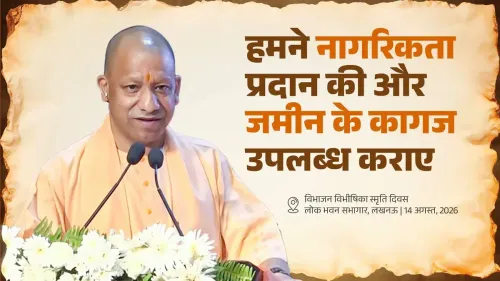
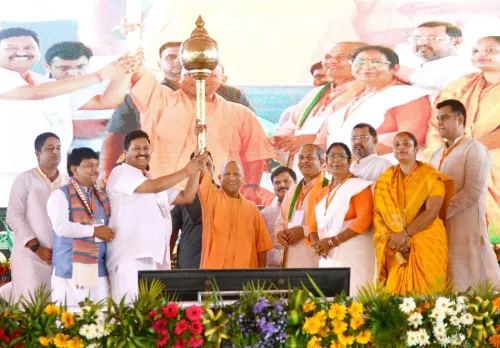
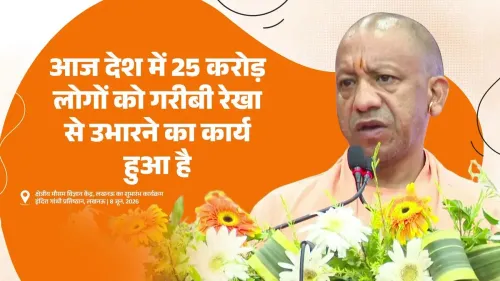
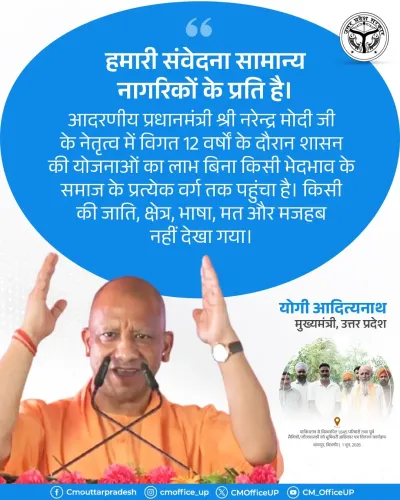
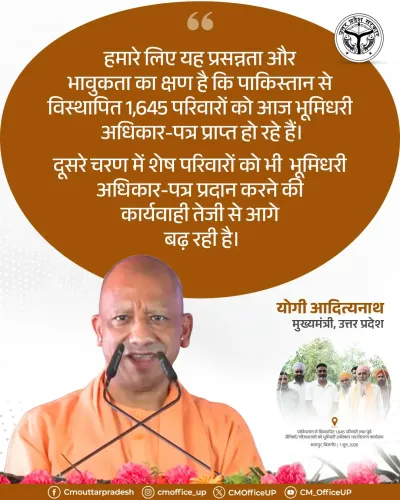
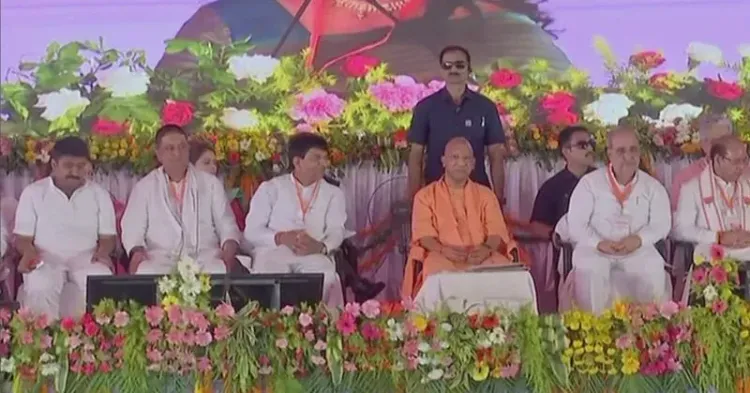
The Chief Minister's Office of Uttar Pradesh announced on Monday, 1 June 2026, that Chief Minister Yogi Adityanath participated in a programme at Bijnor to distribute bhumidhari adhikar patra (land ownership certificates) to 1,645 families displaced from Pakistan, along with ex-servicemen and leaseholders.
Context
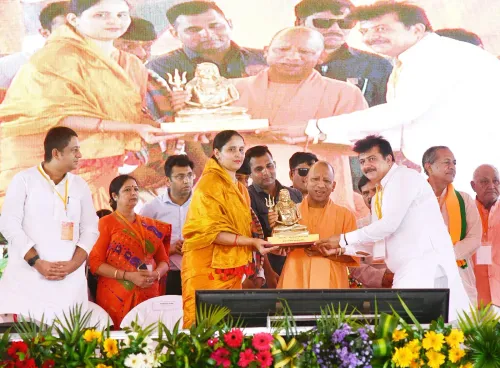
The event, broadcast live, saw CM Yogi Adityanath personally hand over land ownership certificates to beneficiaries who had long held government-allotted land on a lease or temporary basis. The post from the Chief Minister's Office described the programme as a distribution of bhumidhari adhikar patra — formal titles conferring full ownership rights — to 1,645 displaced families, ex-servicemen, and leaseholders in Bijnor district of western Uttar Pradesh.Policy Backdrop
The roots of this initiative stretch back to the aftermath of the 1947 Partition, when families displaced from areas now in Pakistan were allotted land across western Uttar Pradesh, often on a temporary or lease basis under post-Partition rehabilitation schemes that began in 1948. The Uttar Pradesh Zamindari Abolition and Land Reforms Act of 1950 established the bhumidhari category, granting ownership rights to tenants and leaseholders — but residual cases of insecure tenure persisted for decades, particularly among Partition-era displaced persons and retired defence personnel. Successive state governments have periodically converted such long-standing leases into full ownership titles as part of land tenure regularisation drives.Stakeholders and Impact
The primary beneficiaries are families who fled present-day Pakistan during Partition and have lived on state-allotted land for generations without formal ownership documents. Ex-servicemen and existing leaseholders in Bijnor are also covered under the programme. For these communities, a bhumidhari adhikar patra carries significant practical value: it enables access to institutional credit, protects against eviction, and resolves inheritance disputes that have plagued families holding only lease deeds. Bijnor, located in the western belt of Uttar Pradesh, has historically been home to a sizeable population of Partition-era displaced persons who received land allotments in the region.What's Next
The Uttar Pradesh government is expected to roll out similar title-distribution drives in other districts of western Uttar Pradesh that host comparable concentrations of Partition-displaced families and long-term leaseholders. Observers will also watch for any related amendments to the UP Revenue Code that could streamline future conversions of lease-based allotments into full ownership titles. The Bijnor event signals continued political attention to the unresolved land tenure issues of a community that has waited nearly eight decades for formal ownership recognition.Point of View
The Yogi Adityanath administration simultaneously addresses a decades-old administrative backlog and delivers a tangible, document-in-hand benefit to a historically marginalised community. The targeting of Partition-displaced families and ex-servicemen — two groups with strong emotional resonance in the Hindi heartland — amplifies the political dividend. This event fits a broader pattern in which the UP government has used land-tenure regularisation as a low-cost, high-visibility policy instrument. The question going forward is whether the state will legislate a systematic, time-bound process for clearing the remaining backlog, or continue with periodic, district-by-district drives.
NationPress
19 Sept 2026
Frequently Asked Questions
What is bhumidhari adhikar patra in Uttar Pradesh?
A bhumidhari adhikar patra is a formal land ownership certificate issued under the UP Zamindari Abolition and Land Reforms Act of 1950, converting a tenant's or leaseholder's occupancy into full heritable ownership with rights to sell, mortgage, and inherit the land.
Who received land ownership certificates in Bijnor on 1 June 2026?
A total of 1,645 families displaced from Pakistan, along with ex-servicemen and existing leaseholders, received bhumidhari adhikar patra at the programme in Bijnor presided over by Chief Minister Yogi Adityanath.
Why do Pakistan-displaced families in UP still need land ownership certificates in 2026?
Many Partition-era displaced families were allotted land in western Uttar Pradesh after 1947 on a temporary or lease basis; converting these allotments to full ownership titles has been a slow, case-by-case administrative process, leaving many families without formal deeds for decades.
What is the significance of bhumidhari rights for displaced families?
Bhumidhari rights give beneficiaries legal ownership, enabling them to access bank loans against the land, protect against eviction, and pass the property to heirs without dispute — rights that lease-holders do not fully enjoy.
Will similar land rights distribution programmes happen in other UP districts?
The Uttar Pradesh government is expected to extend similar bhumidhari title-distribution drives to other districts in western UP that have significant populations of Partition-displaced families and long-term leaseholders, though specific schedules have not been announced.