CM Yogi Hails New Ahmedabad-Varanasi Express Launch
Synopsis
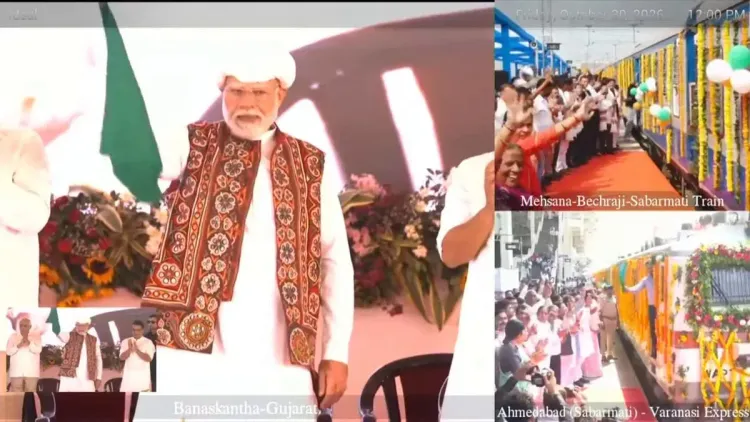
Prime Minister Modi inaugurated the Ahmedabad (Sabarmati)–Varanasi Express on 30 October 2026, days before Diwali. CM Yogi Adityanath hailed the new service as a bridge of faith, culture and development linking Gujarat to Kashi, boosting pilgrim travel and regional trade.
Key Takeaways
The Ahmedabad (Sabarmati)–Varanasi Express was inaugurated by Prime Minister Narendra Modi on 30 October 2026 , the day before Diwali.
CM Yogi Adityanath welcomed the launch as a 'welfare gift' to Uttar Pradesh, framing the route as connecting faith, culture and development.
The new service directly links Sabarmati — a major Gujarat rail terminus — to Varanasi , Modi's parliamentary constituency and a major pilgrimage hub.
The launch aligns with a sustained post-2014 policy of expanding rail infrastructure in and around Varanasi , including the Kashi Vishwanath Corridor .
The Diwali-eve timing ensures high initial passenger volumes, providing an immediate real-world test of the service's operational readiness.
The route is expected to benefit pilgrims, tourists and traders moving between Gujarat and Uttar Pradesh .
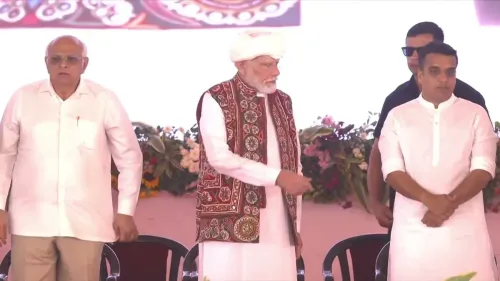
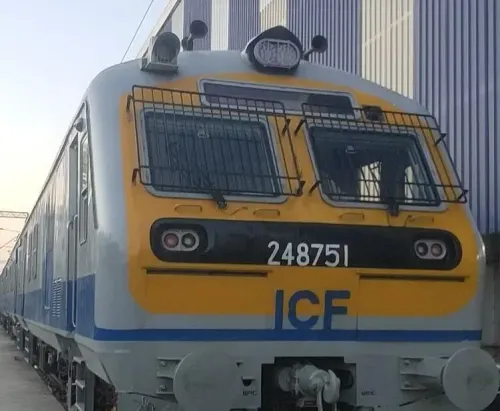
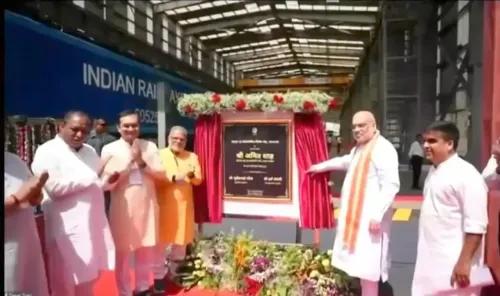
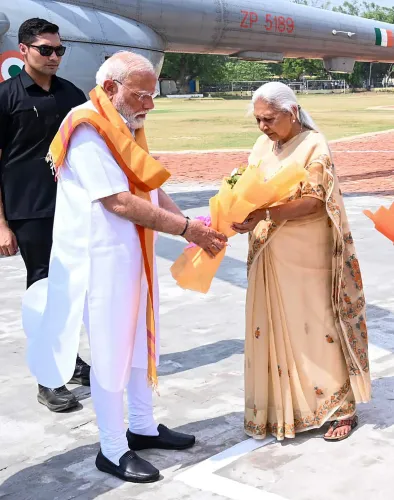
On the eve of Diwali 2026, a new rail corridor linking the sacred banks of the Sabarmati in Ahmedabad to the ancient ghats of Kashi in Varanasi quietly closed a long geographic gap between two of India's most spiritually significant cities. Uttar Pradesh Chief Minister Yogi Adityanath welcomed the inauguration of the Ahmedabad (Sabarmati)–Varanasi Express on Friday, 30 October 2026, crediting Prime Minister Narendra Modi with personally flagging off the new service.
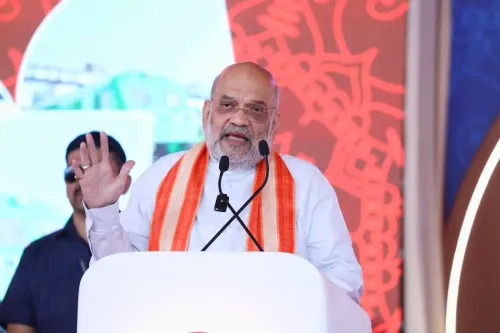
Posting in Hindi on X, CM Yogi wrote that under PM Modi's 'illustrious leadership' (yashasvi netritva), 'a new rail bridge of faith, culture and development has been established from the sacred land of Sabarmati to Kashi, the city of Baba Vishwanath.' He described the train as a 'welfare gift' (kalyankari saugaat) to the 'new Uttar Pradesh' ahead of the festival of light, and expressed his 'heartfelt gratitude' to the Prime Minister.
Sabarmati to Kashi: what this route connects
Sabarmati — the Ahmedabad locality that houses the Sabarmati Ashram, Mahatma Gandhi's historic base — is also a major rail terminus for Gujarat. Varanasi, known as Kashi or Banaras, is among the oldest continuously inhabited cities in the world and the parliamentary constituency of Prime Minister Modi himself. A direct express service between the two cities stitches together Gujarat's commercial capital with one of Uttar Pradesh's most economically and culturally vital cities.
For pilgrims, traders, and families with roots across both states, direct connectivity has historically meant a maze of connections or overnight road journeys. A dedicated express service changes that equation — faster movement of people means faster movement of commerce too.
Rail as a pilgrimage and trade artery
The launch sits squarely inside a pattern that has defined Indian railway policy since 2014: multiple new train services and large-scale station redevelopments have been rolled out in and around Varanasi, positioning the city as a flagship showcase for rail modernisation. The Kashi Vishwanath Corridor, inaugurated in December 2021, transformed the temple precinct and dramatically increased visitor footfall — creating fresh demand for precisely the kind of high-capacity rail link now coming online.
CM Yogi's framing — 'aastha, sanskriti aur vikas' (faith, culture and development) — is the standard three-part architecture the ruling dispensation uses when announcing infrastructure with a pilgrimage dimension. That framing is deliberate: it signals to both the devout traveller and the goods transporter that the route serves them equally.
A Diwali-eve delivery for UP
The timing is pointed. Launching a visible infrastructure project on the doorstep of Diwali — the biggest festive travel window in the Indian calendar — maximises both footfall and optics. Rail bookings surge in the days surrounding the festival, meaning the Ahmedabad–Varanasi Express will see real-world stress-testing almost immediately after its launch. Passenger volumes and operational feedback over the next few weeks will tell the fuller story of whether the service delivers on its promise of making travel 'easy and convenient' (sugam evam suvidhaajanak).
For now, with a lamp lit at both ends of the route — one in the land of the Sabarmati, the other in the city of the eternal flame — the train departs on auspicious timing, carrying with it the weight of two civilisations worth of expectation.
Point of View
Which doubles as the Prime Minister's constituency and a high-visibility pilgrimage brand. CM Yogi's enthusiastic endorsement serves both to reinforce the Centre-state partnership narrative and to claim a share of the political credit ahead of the festive season. The Diwali-eve timing is no accident: it maximises visibility in a peak travel window while embedding the project within the emotional register of the festival. Whether the route sustains its promise over months of operation — rather than just a launch-day headline — is the question that will determine its lasting political and practical value.
NationPress
30 Oct 2026
Frequently Asked Questions
What is the Ahmedabad Varanasi Express?
The Ahmedabad (Sabarmati)–Varanasi Express is a new direct train service connecting Ahmedabad in Gujarat to Varanasi in Uttar Pradesh, inaugurated by Prime Minister Narendra Modi on 30 October 2026.
Who inaugurated the Ahmedabad Varanasi Express?
Prime Minister Narendra Modi inaugurated the service. UP Chief Minister Yogi Adityanath welcomed the launch on X, thanking the Prime Minister.
Why did CM Yogi call the new train a 'saugaat' for UP?
CM Yogi used the word 'saugaat' (gift) to describe the new train service as a welfare benefit delivered to Uttar Pradesh by the central government ahead of Diwali, framing it as a combination of improved connectivity, cultural ties and economic opportunity.
What is the significance of the Sabarmati to Varanasi rail link?
The route connects two cities of deep cultural and economic significance — Sabarmati in Ahmedabad, associated with the historic ashram and Gujarat's commercial hub, and Varanasi (Kashi), one of India's most important pilgrimage centres and PM Modi's parliamentary constituency.
How does this train fit into Varanasi's rail development?
Since 2014 multiple new train services and station upgrades have been introduced in and around Varanasi as part of a broader rail modernisation push, with this express adding a direct Gujarat link to the network.