Amit Shah inaugurates ₹1,542-crore rail projects, WAG-12 shed in Gujarat
Synopsis
Home Minister Amit Shah on Sunday unveiled over ₹1,542 crore worth of railway projects in Gujarat — including a ₹700-crore WAG-12 locomotive shed, India's first LNG-powered train, and a 404-km Kavach safety rollout. The package signals a significant freight and safety upgrade for the Ahmedabad Division, with the 300-locomotive fleet targeted for completion by 2027-28.
Key Takeaways
Amit Shah inaugurated railway projects worth over ₹1,542 crore in Gujarat on 27 September 2026 .
A ₹700-crore WAG-12 maintenance shed at Sabarmati can home up to 300 locomotives of 12,000 HP each; 154 are already stationed there.
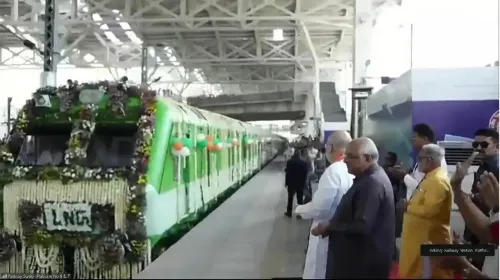
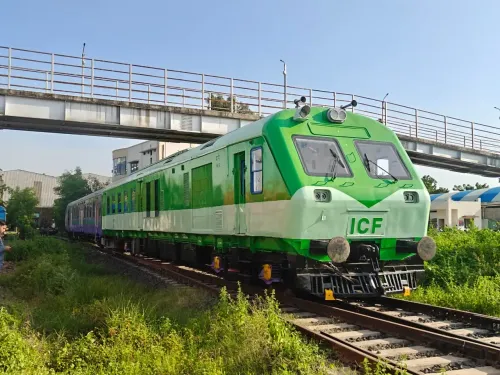
India's first LNG-powered train was flagged off from Sabarmati, using a diesel-plus-LNG dual-fuel system after over 2,000 km of field trials.
The Kavach automatic train protection system will be deployed across 404 km of the Ahmedabad Division at a cost of ₹411 crore .
Automatic block signalling covers 122.57 km at a cost of ₹118.83 crore .
The 21-km Sabarmati-Sarkhej line doubling, costing ₹313.27 crore , is targeted for completion by March 2028 .
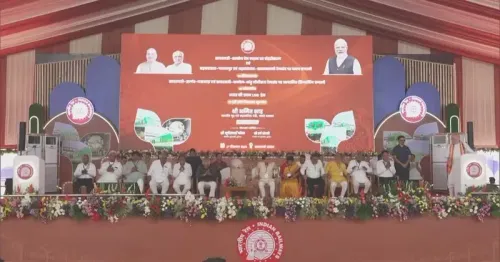
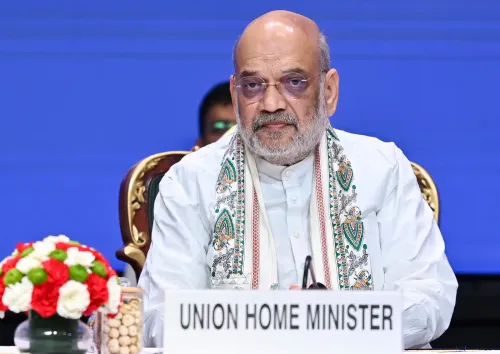
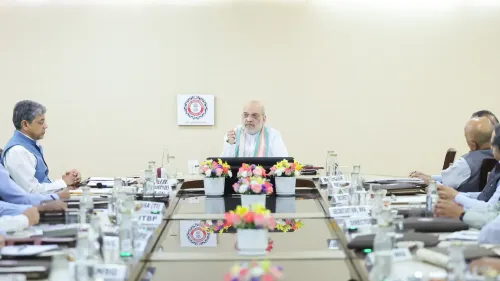
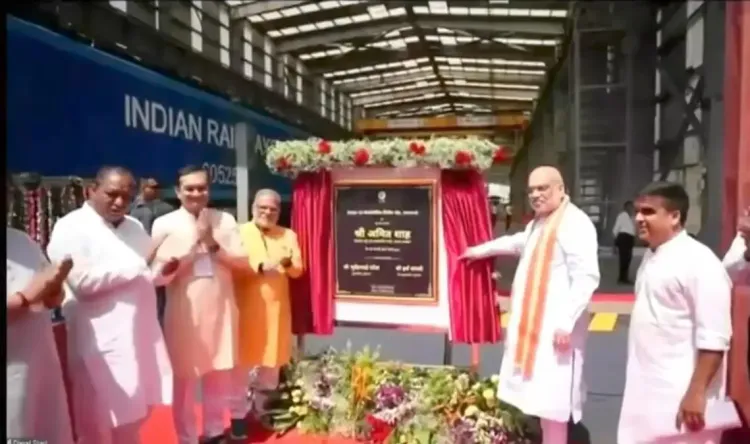
Union Home and Cooperation Minister Amit Shah on Sunday, 27 September 2026, inaugurated a WAG-12 locomotive maintenance shed at Sabarmati and flagged off a high-capacity WAG-12 electric locomotive as part of a railway development package worth over ₹1,542 crore in Gujarat. The event, held in Ahmedabad, also saw the launch of the country's first LNG-powered train, marking a milestone in India's push toward alternative fuel adoption in rail transport.
The WAG-12 Maintenance Shed at Sabarmati
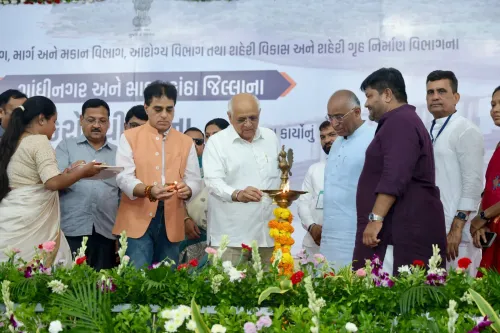
The centrepiece of the programme was the ₹700-crore WAG-12 locomotive maintenance shed at Sabarmati, which Shah inspected before formally dedicating it to the nation. The facility is designed to home and service up to 300 WAG-12 HHP electric locomotives, each rated at approximately 12,000 HP and purpose-built to haul heavy and long freight trains. According to railway authorities, 154 WAG-12 locomotives have already been stationed at the Sabarmati facility, with the total fleet expected to reach 300 by 2027-28. Gujarat Chief Minister Bhupendra Patel and Deputy Chief Minister Harsh Sanghavi were also present at the programme.
India's First LNG-Powered Train
In a significant first for Indian railways, Shah flagged off the country's inaugural LNG-powered train from Sabarmati railway station. The train operates on a diesel-plus-LNG dual-fuel system, with two 1,400 HP Driving Power Cars (DPCs) converted for LNG use. More than 2,000 km of field trials have already been completed on the two converted DPCs, according to officials. This development signals a broader effort to reduce diesel dependency and cut emissions across India's freight and passenger rail network.
Kavach Safety System and Signalling Upgrades
The package also covers the rollout of the indigenous Kavach automatic train protection system across 404 km of the Ahmedabad Division network, at an estimated cost of ₹411 crore. Kavach, developed in India, is designed to prevent train collisions by automatically applying brakes when a signal is violated. Additionally, automatic block signalling has been deployed across 122.57 km of the Sabarmati-Kalol-Bhandu Motidau and Sabarmati-Sanand-Jakhwada rail sections at a cost of ₹118.83 crore. These upgrades are part of a wider national effort to improve rail safety following high-profile accidents in recent years.
Sabarmati-Sarkhej Doubling and Infrastructure Works
Shah also inaugurated and launched the doubling of the 21-km Sabarmati-Sarkhej railway section, estimated at ₹313.27 crore and targeted for completion by March 2028. The project covers Sabarmati, Gandhigram, Vastrapur, and Sarkhej stations, and includes the construction of bridges, road underbridges, and level crossings. Collectively, the suite of projects spans railway safety, signalling modernisation, freight capacity enhancement, line expansion, and alternative fuel adoption across Gujarat. The events formed part of Shah's broader visit to Ahmedabad, during which he also attended a programme marking the 92nd birth anniversary of Acharya Padmasagar Surishwarji Maharaj.
What This Means for Gujarat and Indian Railways
The ₹1,542-crore package represents one of the most comprehensive single-day rail investment events in Gujarat in recent memory. The Ahmedabad Division's upgraded freight capacity — anchored by the WAG-12 fleet — is expected to support the region's industrial logistics needs, particularly given the state's growing role as a manufacturing and export hub. The LNG train, if scaled nationally, could meaningfully reduce both fuel costs and carbon emissions across India's vast freight network. All eyes will now be on execution timelines, particularly the Sabarmati-Sarkhej doubling project and the completion of the 300-locomotive fleet target by 2027-28.
Point of View
542-crore package is politically well-timed — Gujarat remains a cornerstone BJP state, and infrastructure ribbon-cuttings by senior central ministers ahead of any electoral cycle carry unmistakable optics. But the substance is real: the WAG-12 shed addresses a genuine freight bottleneck, and the LNG train, if it survives the pilot phase, could be transformative for India's fuel import bill. The Kavach rollout is overdue — the technology has existed for years but deployment has lagged. The harder question is whether these projects will be executed to their stated timelines and costs, a test that several Gujarat rail initiatives of the past decade have not fully passed.
NationPress
27 Sept 2026
Frequently Asked Questions
What railway projects did Amit Shah inaugurate in Gujarat on 27 September 2026?
Amit Shah inaugurated a ₹1,542-crore package of railway projects in Gujarat, including a WAG-12 locomotive maintenance shed at Sabarmati, India's first LNG-powered train, a 404-km Kavach safety system rollout, automatic block signalling upgrades, and the doubling of the Sabarmati-Sarkhej section.
What is the WAG-12 maintenance shed at Sabarmati?
It is a ₹700-crore facility designed to home and maintain up to 300 WAG-12 HHP electric locomotives, each rated at around 12,000 HP and built for heavy freight operations. As of the inauguration, 154 locomotives are already stationed there, with the full fleet of 300 expected by 2027-28.
What is significant about India's first LNG-powered train?
The train uses a diesel-plus-LNG dual-fuel system, with two 1,400 HP Driving Power Cars converted for LNG use and over 2,000 km of field trials completed. It marks India's first operational use of LNG in rail traction, offering potential reductions in both fuel costs and emissions if scaled nationally.
What is the Kavach system being deployed in the Ahmedabad Division?
Kavach is an indigenously developed automatic train protection system that prevents collisions by applying brakes automatically when a signal is violated. It will be rolled out across 404 km of the Ahmedabad Division at a cost of ₹411 crore as part of this package.
When will the Sabarmati-Sarkhej line doubling be completed?
The doubling of the 21-km Sabarmati-Sarkhej section, estimated at ₹313.27 crore, is targeted for completion by March 2028. The project covers four stations — Sabarmati, Gandhigram, Vastrapur, and Sarkhej — and includes bridge and road underbridge works.