CM Yogi Highlights UP Mango Exports to 12 Nations
Synopsis
Uttar Pradesh Chief Minister Yogi Adityanath announced on 3 July 2026 that UP mangoes are now exported to over a dozen countries including the UK, UAE, Japan, New Zealand, Belgium and Russia, reflecting a significant diversification of the state's agricultural export markets.
Key Takeaways
CM Yogi Adityanath stated on 3 July 2026 that Uttar Pradesh mangoes are being exported to at least 12 countries including the UK, UAE, Malaysia, Singapore, Kuwait, New Zealand, Belgium, Japan, Italy, Qatar and Russia.
Uttar Pradesh is India's largest mango-producing state, known for varieties such as Dasheri , Langra , and Chausa .
Export diversification has moved beyond traditional Gulf markets to include EU nations, East Asian countries, and Oceania.
APEDA phytosanitary protocols and GI registrations for UP mango varieties have been key enablers of access to stringent markets like Japan and New Zealand.
The National Horticulture Mission (2005-06) and Agricultural Export Policy 2018 provided the policy foundation for this export growth.
Mango growers in clusters such as Malihabad, Lucknow and Saharanpur are among the primary beneficiaries of expanded international demand.
Uttar Pradesh Chief Minister Yogi Adityanath on Friday, 3 July 2026 highlighted that mangoes from Uttar Pradesh are now being exported to a wide range of countries, underscoring the state's growing footprint in global agricultural trade. The Chief Minister's post on X named destinations spanning Europe, the Gulf, East Asia, and Oceania, signalling a significant diversification of export markets for the state's prized fruit.
Context
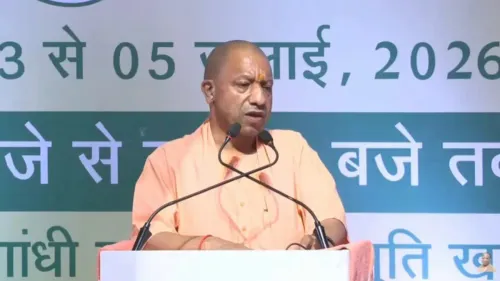
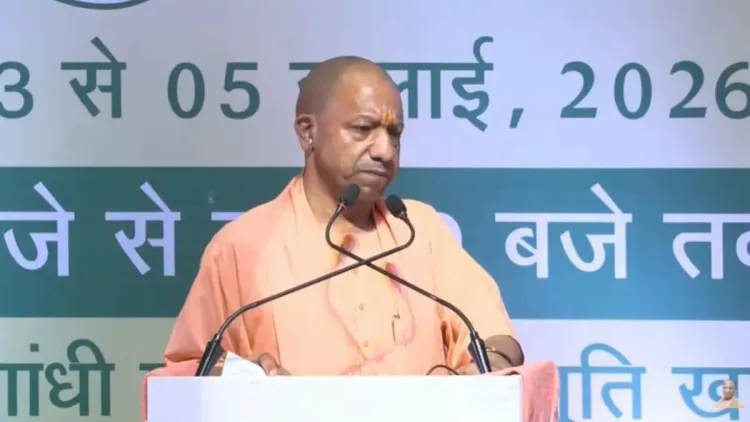
In his post, CM Yogi Adityanath wrote: 'Aaj UP ka aam UK, UAE, Malaysia, Singapore, Kuwait, New Zealand, Belgium, Japan, Italy, Qatar, Russia aadi deshon mein export ho raha hai' — ('Today, UP's mango is being exported to countries such as the UK, UAE, Malaysia, Singapore, Kuwait, New Zealand, Belgium, Japan, Italy, Qatar, Russia and others'). The statement draws attention to how the state's horticulture sector has moved beyond traditional domestic wholesale to reach consumers across multiple continents. The post was accompanied by a video, likely showcasing mango orchards, pack-houses, or export logistics.
Uttar Pradesh is India's largest mango-producing state, home to celebrated varieties such as Dasheri, Langra, and Chausa, all of which have established reputations in domestic and international markets. The state's mango belt, concentrated around districts such as Malihabad in Lucknow and parts of Saharanpur, has long been the backbone of India's mango export ecosystem.
Policy Backdrop
The expansion into markets as diverse as New Zealand, Belgium, and Japan reflects years of investment in export infrastructure aligned with central government schemes. The National Horticulture Mission, launched in 2005-06, supported orchard development and cold-chain infrastructure in Uttar Pradesh, laying the groundwork for volume exports. India's Agricultural Export Policy 2018 further identified mango as a priority crop for market diversification and value-chain upgrades.
The Agricultural and Processed Food Products Export Development Authority (APEDA), operating under the Ministry of Commerce, has been central to enabling access to phytosanitary-sensitive markets such as Japan, the European Union, and New Zealand, which impose strict pest and residue protocols. GI (Geographical Indication) registrations for varieties like Dasheri and Langra have added brand value that supports premium pricing in international markets. Pack-house certification and pre-shipment inspection regimes have been critical to clearing regulatory barriers in these destinations.
Stakeholders and Impact
The primary beneficiaries of this export push are mango growers and horticulture exporters across Uttar Pradesh, who gain access to higher price points compared with domestic mandis. Farmers in clusters such as Malihabad — often called the 'mango capital of the world' — stand to benefit most directly from sustained demand in Gulf and East Asian markets. Exporters and cold-chain logistics operators also see expanded business as air and sea shipment volumes grow.
The diversification beyond traditional Gulf buyers — the UAE and Kuwait — toward EU member states like Belgium and Italy, as well as East Asian markets like Japan and Singapore, and Oceania through New Zealand, represents a qualitative shift. These markets typically demand higher quality standards, which in turn incentivises investment in better orchard management and post-harvest handling across the supply chain.
What's Next
Observers will watch Ministry of Commerce quarterly agricultural export data for volume and value figures that quantify the scale of UP mango shipments in the current season. Any new APEDA protocols for additional mango varieties or new country destinations will be a key indicator of whether this export diversification continues to deepen. The state government's ability to sustain and expand pack-house capacity and cold-chain infrastructure will be decisive for maintaining market access in phytosanitary-sensitive destinations.
If the momentum holds, Uttar Pradesh could consolidate its position as the leading mango-exporting state in India, with implications for farmer incomes, rural employment, and the broader agricultural trade balance.
Point of View
Using agricultural milestones to demonstrate governance delivery. The listing of 12 geographically diverse destinations — spanning the Gulf, EU, East Asia, and Oceania — is a deliberate signal of market sophistication, moving the conversation from subsistence farming to export competitiveness. This aligns with the central government's Agricultural Export Policy 2018 and gives the state government a tangible, farmer-facing achievement to communicate ahead of any electoral cycle. The emphasis on international reach also reflects a wider pattern among state governments of leveraging APEDA certifications and GI tags as soft-power tools for agricultural branding.
NationPress
3 Jul 2026
Frequently Asked Questions
Which countries does Uttar Pradesh export mangoes to?
According to CM Yogi Adityanath's post on 3 July 2026, UP mangoes are exported to the UK, UAE, Malaysia, Singapore, Kuwait, New Zealand, Belgium, Japan, Italy, Qatar, Russia and other countries.
What mango varieties are grown in Uttar Pradesh?
Uttar Pradesh is known for varieties including Dasheri, Langra and Chausa, all of which have Geographical Indication (GI) registrations that support their brand value in international markets.
What is APEDA's role in mango exports from India?
APEDA, the Agricultural and Processed Food Products Export Development Authority under the Ministry of Commerce, oversees certification, phytosanitary compliance and promotion of Indian agricultural exports including mangoes, enabling access to regulated markets in Japan, the EU and Oceania.
Why is Malihabad famous for mangoes?
Malihabad in Lucknow district, Uttar Pradesh, is often called the 'mango capital of the world' due to its high concentration of mango orchards, particularly of the Dasheri variety, and its long history as a centre of mango cultivation and trade.
What government schemes support mango exports from UP?
The National Horticulture Mission launched in 2005-06 supported orchard development and cold-chain infrastructure, while India's Agricultural Export Policy 2018 identified mango as a priority crop for market diversification and value-chain investment, both of which have benefited UP exporters.