CM Yogi Highlights UP MSME Export Surge Past ₹2 Lakh Crore
Synopsis
Uttar Pradesh Chief Minister Yogi Adityanath says the state's MSME sector now exports over ₹2 lakh crore annually, crediting the One District-One Product scheme and GI tagging with reversing the pre-2017 decline of Chikankari, brassware, and glassware industries.
Key Takeaways
CM Yogi Adityanath claimed Uttar Pradesh now exports more than ₹2 lakh crore worth of MSME products annually.
He cited the pre-2017 decline of Chikankari embroidery, Moradabad brassware, and Firozabad glassware as the baseline for comparison.
The One District-One Product (ODOP) scheme, launched in 2018 , identified and branded one signature product per district across UP 's 75 districts .
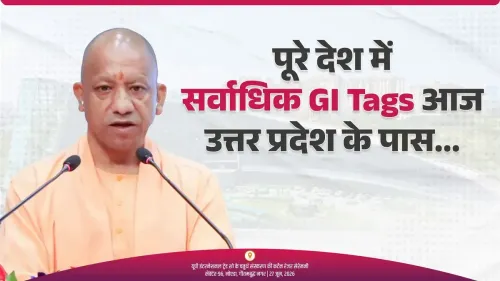
Geographical Indication (GI) tagging was used to give region-specific goods intellectual-property protection and international market credibility.
The 'double engine government' narrative — aligning state and central BJP administrations — was presented as a key enabler of the export turnaround.
Official data verification and further GI registrations are expected to be the next milestones in this policy arc.
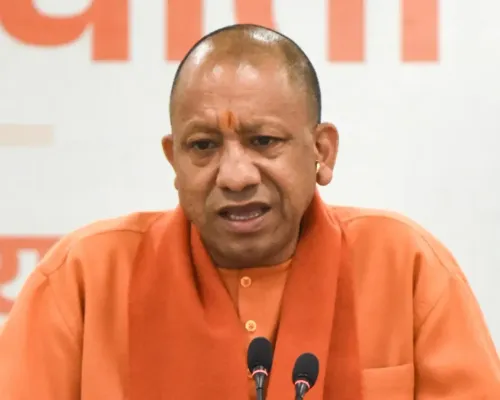
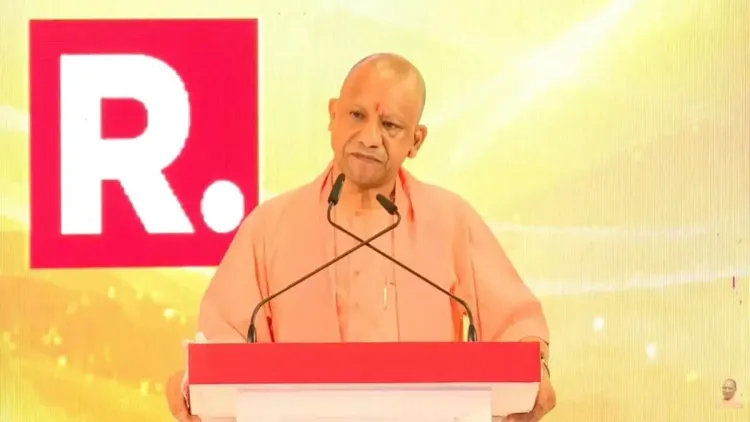
Uttar Pradesh Chief Minister Yogi Adityanath on Tuesday, 14 July 2026, credited the state's One District-One Product (ODOP) scheme and Geographical Indication (GI) tagging drive for transforming traditional craft clusters into a multi-lakh-crore export engine, claiming the state now exports more than ₹2 lakh crore worth of MSME goods annually.
Context
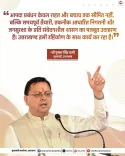
Posting in Hindi on X, CM Yogi drew a sharp before-and-after contrast: 'वर्ष 2017 के पहले चिकनकारी रो रही थी, ग्लास का उद्योग चौपट और ब्रास का उद्यम बर्बाद हो चुका था' — translated: 'Before 2017, Chikankari was weeping, the glass industry was in ruins, and the brass trade had been destroyed.' He then asserted that Uttar Pradesh today exports more than ₹2 lakh crore in MSME items, attributing the turnaround to the 'double engine government' — the alignment of state and central BJP administrations — and to deliberate branding and GI-tag linkages under ODOP.
Policy Backdrop
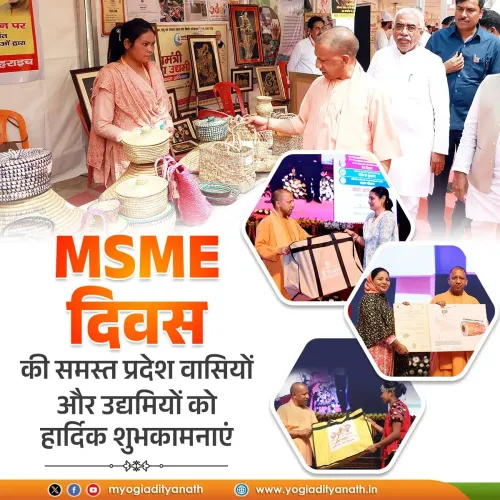
The One District-One Product scheme was launched by the Uttar Pradesh government in 2018 to identify and promote one signature product per district, covering handicrafts, agri-produce, and light manufacturing. Districts such as Lucknow (Chikankari embroidery), Moradabad (brassware), and Firozabad (glassware) were among the earliest beneficiaries. A parallel push for Geographical Indication registration — an intellectual-property designation protecting region-specific goods — was accelerated after 2017 through state-facilitated cells that guided artisans and producer groups through the GI application process. Together, ODOP and GI tagging were designed to convert cultural craft clusters into bankable, internationally recognisable export categories under the broader Make in India framework.
Before these interventions, industries such as Chikankari hand-embroidery, Moradabad brassware, and Firozabad glass bangles had faced severe stress from cheap imports, inadequate market linkages, and a lack of formal branding — a narrative the BJP government in Lucknow has consistently used to contrast conditions pre- and post-2017.
Stakeholders and Impact
The primary beneficiaries of the ODOP-GI ecosystem are Uttar Pradesh's vast network of MSME exporters and traditional artisans — a constituency that spans millions of weavers, metalworkers, glassblowers, and small manufacturers spread across the state's 75 districts. GI tags add provenance value that commands premium pricing in international markets, helping artisans compete against mass-produced alternatives. Export growth in this segment also has downstream effects on packaging, logistics, and ancillary services in tier-2 and tier-3 towns across the state.
The claim of ₹2 lakh crore in MSME exports, if sustained by official data, would represent a significant share of India's total handicraft and MSME export basket, positioning Uttar Pradesh as one of the leading contributor states in this category.
What's Next
Attention will now turn to official export data releases that could corroborate or contextualise the ₹2 lakh crore figure cited by CM Yogi. Observers will also watch for the possible addition of more UP products to the national GI registry, as well as the expansion of the ODOP model to districts where craft clusters have yet to receive formal branding support. The post signals that the UP government intends to keep MSME export performance at the centre of its economic messaging ahead of any forthcoming policy reviews.
Point of View
Brassware, and glassware — as human-scale anchors for an otherwise large aggregate export figure. The 'double engine government' framing is deliberate: it binds state performance to the central BJP administration, making the export story a shared political asset rather than a purely state-level achievement. The ODOP-plus-GI combination has emerged as a replicable template that other BJP-governed states have looked at, giving this narrative a wider policy resonance beyond UP alone. Whether the ₹2 lakh crore figure withstands independent scrutiny will determine how durable this messaging remains in the medium term.
NationPress
14 Jul 2026
Frequently Asked Questions
What is the One District-One Product scheme in Uttar Pradesh?
The One District-One Product (ODOP) scheme, launched by the Uttar Pradesh government in 2018, identifies one signature product per district — such as Chikankari from Lucknow or brassware from Moradabad — and provides branding, market linkage, and export support to local artisans and MSMEs.
What does a GI tag mean for UP handicrafts?
A Geographical Indication (GI) tag is an intellectual-property designation that certifies a product's regional origin, helping UP handicrafts like Chikankari embroidery command premium pricing in domestic and international markets and protecting them from imitation by producers outside the region.
How much does Uttar Pradesh export in MSME goods?
Chief Minister Yogi Adityanath stated on 14 July 2026 that Uttar Pradesh exports more than ₹2 lakh crore worth of MSME items annually, attributing the growth to the ODOP scheme and GI tagging drive launched after 2017.
What was the condition of UP's craft industries before 2017?
CM Yogi stated that before 2017, Chikankari embroidery was in distress, the glass industry in Firozabad had collapsed, and the brass trade in Moradabad had been destroyed — citing cheap imports, poor market linkages, and lack of formal branding as key factors.
What is the double engine government narrative in UP?
The 'double engine government' is a BJP political framing that describes the alignment of the state government in Lucknow and the central government in New Delhi, both led by BJP, as a unified force that accelerates policy execution and industrial growth in states like Uttar Pradesh.