CM Yogi Invokes 1990 Ayodhya Firing to Mark New Era
Synopsis
UP Chief Minister Yogi Adityanath declared on 8 November 2026 that Ram devotees in Ayodhya will no longer face police bullets — a pointed reference to the deadly 1990 firing ordered under Mulayam Singh Yadav's government, contrasting it with the post-2024 Ram Mandir era.
Key Takeaways
CM Yogi Adityanath posted on 8 November 2026 that bullets will no longer be fired on Ram devotees in Ayodhya .
The statement references the October 1990 police firing on kar sevaks ordered by then-CM Mulayam Singh Yadav , in which multiple devotees were killed.
The Supreme Court cleared the way for a Ram temple at Ram Janmabhoomi in November 2019 .
The Ram Mandir was consecrated on 22 January 2024 by Prime Minister Narendra Modi .
The Yogi government has since invested in security upgrades and pilgrimage infrastructure across Ayodhya .
The post functions as both a governance claim and a contrast with predecessor SP-era governments ahead of future electoral cycles.
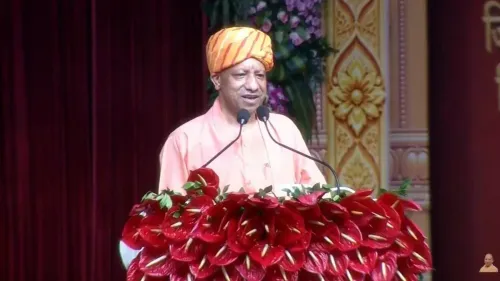
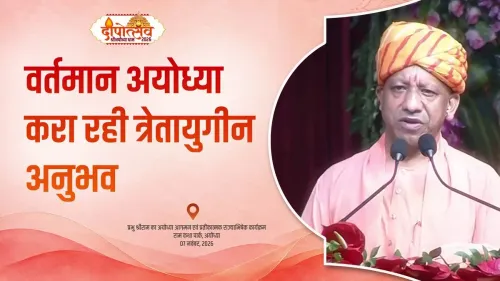
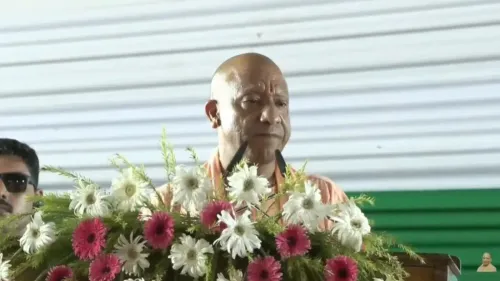
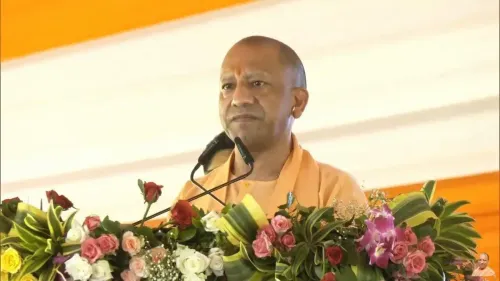
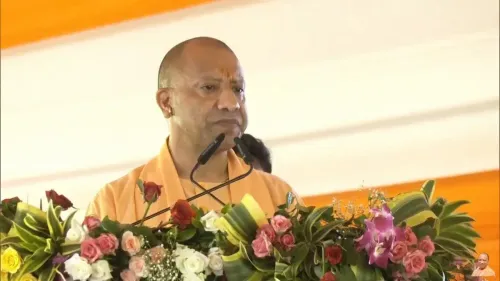
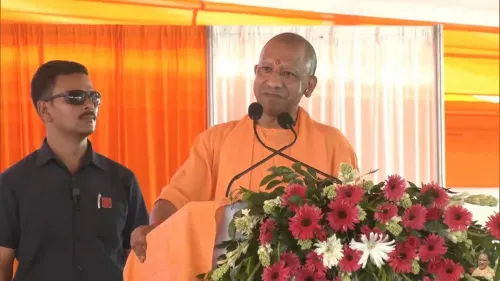
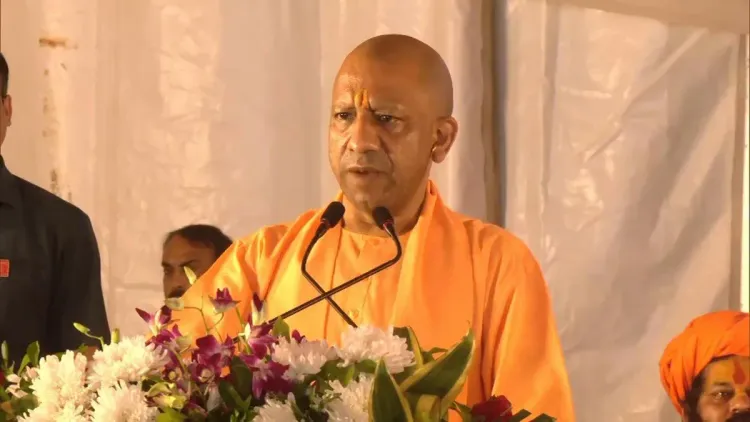
Thirty-six years after police bullets cut down kar sevaks on the streets of Ayodhya, Uttar Pradesh Chief Minister Yogi Adityanath posted a pointed declaration on Sunday, 8 November 2026: 'Ab Shri Ayodhya Dham mein Rambhakton par goliyaan nahin chalegi' — 'Now, bullets will no longer be fired on Ram devotees in Shri Ayodhya Dham.' Seven words in Hindi. A political lifetime of meaning packed inside them.
The 1990 firing that cast a long shadow
The reference is unmistakable to anyone familiar with the turbulent politics of Uttar Pradesh. In October 1990, the state government under Chief Minister Mulayam Singh Yadav ordered police to open fire on kar sevaks — volunteers who had gathered at Ayodhya to press for a Ram temple at the disputed Ram Janmabhoomi site. Multiple devotees were killed. The episode became one of the most charged flashpoints in modern Indian political history, cementing a deep fault line between the Samajwadi Party and Hindu nationalist constituencies that still reverberates today.
That single incident has been invoked, contested, and relitigated across decades of UP election cycles. For Yogi Adityanath, invoking it now is not merely nostalgia — it is a deliberate juxtaposition: then versus now, bullets versus temples.
From Supreme Court verdict to consecrated temple
The legal and political arc Yogi references has a clear spine. In November 2019, the Supreme Court of India delivered its long-awaited verdict, clearing the way for a Ram temple at the Ayodhya site. Construction followed swiftly, culminating in the grand consecration ceremony on 22 January 2024, when Prime Minister Narendra Modi performed the pran pratishtha ritual, drawing millions of pilgrims and global attention to the city.
Ayodhya has since been repositioned — physically, administratively, and symbolically — as a premier pilgrimage destination. The state government has invested in road widening, riverfront development along the Saryu, new airport infrastructure, and upgraded security protocols around the Ram Mandir complex. The city Yogi describes today is markedly different from the one that made international headlines in 1990 and again in 1992.
A governance claim wrapped in a cultural assertion
The Chief Minister's post functions on two levels simultaneously. On the surface it is a governance statement: Ayodhya is now secure, its pilgrims protected, its administration accountable. Beneath that, it is an explicit contrast with predecessor governments — a reminder, delivered without naming opponents directly, that the BJP's UP now guarantees what earlier dispensations denied.
That framing is consistent with Yogi Adityanath's broader political identity. As both Chief Minister and the head of the Gorakhnath Math, he has consistently fused administrative authority with religious custodianship. The post does exactly that: it speaks as a head of government ('bullets will not be fired') while appealing to the devotee community ('Ram devotees') as its primary audience.
With assembly and national electoral cycles perpetually on the horizon in India's largest state, statements that contrast the present order with the events of 1990 carry obvious political weight — and Yogi Adityanath has never been shy about deploying them.
Point of View
He frames the BJP's custodianship of Ayodhya as a civilisational correction rather than mere electoral positioning. The statement reinforces a durable political strategy: linking the Ram Mandir's completion to the BJP's law-and-order identity, and tying opposition parties permanently to the bloodshed of an earlier era. Watch for this framing to intensify as the next UP electoral cycle approaches.
NationPress
8 Nov 2026
Frequently Asked Questions
What did Yogi Adityanath say about Ayodhya on 8 November 2026?
CM Yogi Adityanath posted that bullets will no longer be fired on Ram devotees in Shri Ayodhya Dham, referencing historical police firings at the site and contrasting them with the present security situation under his government.
When did police fire on kar sevaks in Ayodhya?
In October 1990, the Uttar Pradesh government under Chief Minister Mulayam Singh Yadav ordered police to fire on kar sevaks gathered at Ayodhya, resulting in multiple deaths. The incident remains a major reference point in UP's political discourse.
When was the Ram Mandir in Ayodhya inaugurated?
The Ram Mandir at Ayodhya was consecrated on 22 January 2024 by Prime Minister Narendra Modi, following the Supreme Court's November 2019 verdict permitting construction of the temple at the Ram Janmabhoomi site.
Why does Yogi Adityanath keep referring to 1990 in Ayodhya?
The 1990 police firing on kar sevaks under the Samajwadi Party government is a defining historical grievance for BJP's Hindu nationalist voter base. Yogi Adityanath uses it to draw a sharp contrast between SP-era governance and the current BJP administration's approach to Ayodhya and Hindu pilgrimage sites.
What security improvements has the Yogi government made in Ayodhya?
The Yogi government has upgraded security protocols around the Ram Mandir complex, invested in pilgrimage infrastructure including road widening, Saryu riverfront development, and an expanded airport, repositioning Ayodhya as a major and secure pilgrimage destination.