CM Yogi: Kashi-Tamil confluence awakens national consciousness
Synopsis
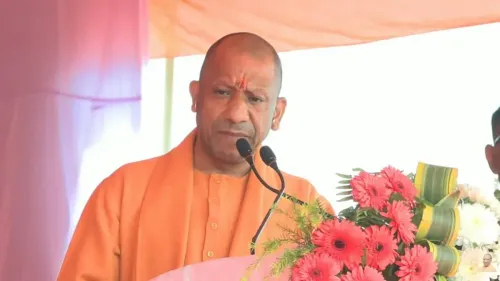
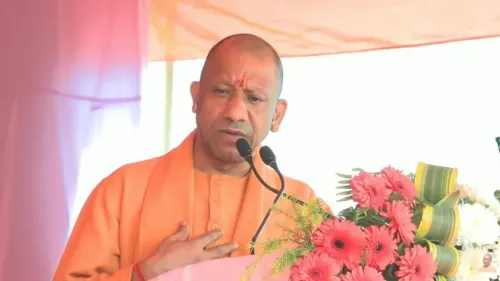
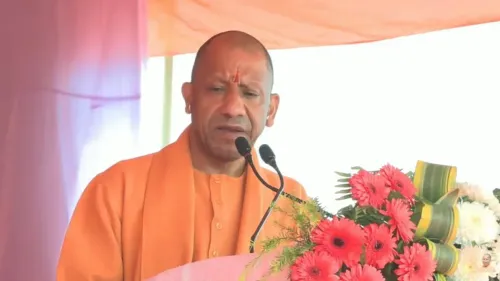
Uttar Pradesh Chief Minister Yogi Adityanath said the meeting of the Ganga's knowledge tradition and Tamil's nectar tradition in Kashi awakens the consciousness of the Indian nation. The 28 November 2026 post, with video, echoes the Kashi Tamil Sangamam launched in 2022.
Key Takeaways
On 28 November 2026 , Uttar Pradesh Chief Minister Yogi Adityanath said the meeting of Ganga knowledge and Tamil nectar traditions in Kashi awakens India's national consciousness.
He posted the remark in Hindi and attached a video.
Kashi is the traditional name for Varanasi , a historic centre of Hindu learning on the Ganges.
The Kashi Tamil Sangamam was launched in 2022 to highlight cultural links between Tamil Nadu and Varanasi.
The message fits a recurring emphasis by Uttar Pradesh BJP leadership on north-south cultural unity at heritage sites.
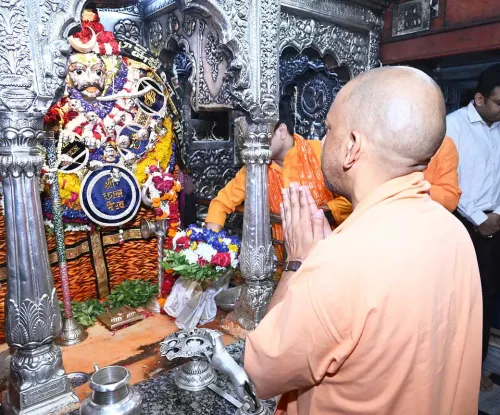
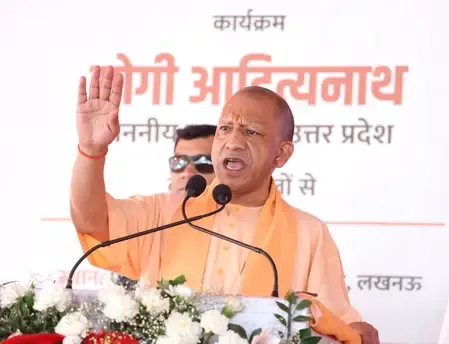
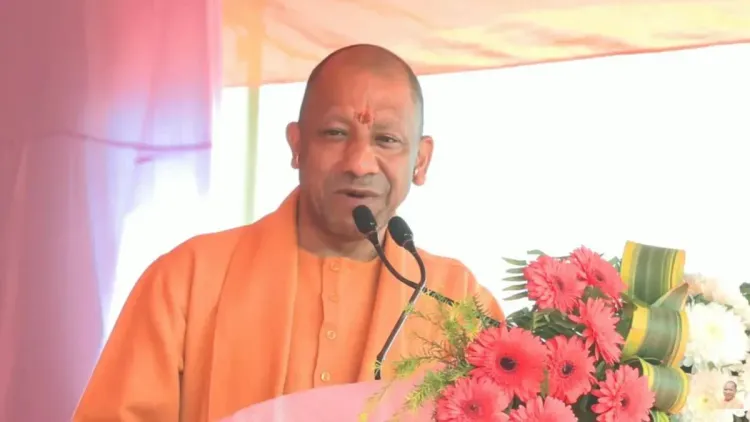
Uttar Pradesh Chief Minister Yogi Adityanath on Saturday, 28 November 2026, held up Kashi as the living junction of two civilisational streams — the knowledge tradition of the Ganga and the nectar tradition of Tamil — and said their meeting awakens the consciousness of the Indian nation. The post, carried with a video, put a north-south spiritual grammar back at the centre of the state's cultural pitch.
Writing in Hindi, he said: Kashi mein jab Ganga ki gyan parampara Tamil ki amrit parampara se milti hai, to Bharat rashtra ka chaitanya jagrit hota hai ('When the knowledge tradition of the Ganga meets the nectar tradition of Tamil in Kashi, the consciousness of the Indian nation awakens'). The claim is compact. National awakening, in this telling, is not a slogan. It happens when northern learning and southern devotion occupy the same city.
Ganga gyan and Tamil amrit on the same ghat
Kashi, the ancient name for Varanasi in Uttar Pradesh, sits on the Ganges as a historic centre of Hindu learning, Sanskrit scholarship and Shaiva worship. Tamil tradition, in this framing, is the amrit parampara — a nectar stream of literature, temple culture and Shaivite bhakti that has travelled north for centuries through pilgrims, scholars and texts. Knowledge on one bank. Nectar on the other. The nation is the current that forms when they mix.
Tamil scholars and Kashi devotees have long treated that mix as more than metaphor. Shaiva hymns, temple architecture and monastic lineages have linked the Tamil country to the north for generations. The Chief Minister recast that history as present-tense national energy.
The 2022 Sangamam and a lasting north-south script
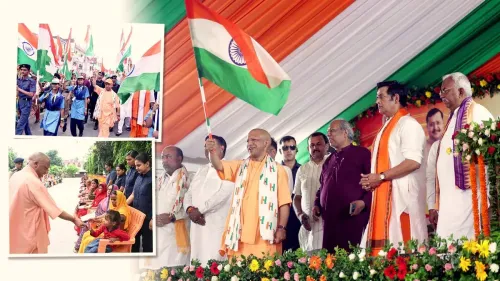
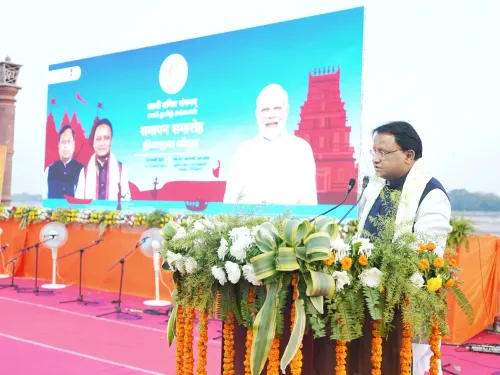
The language tracks a thread begun when the Kashi Tamil Sangamam was launched in 2022 to highlight historical cultural links between Tamil Nadu and Varanasi. Later editions and related heritage programmes have sought to bring Tamil academics, artisans and devotees onto the city's ghats, campuses and temples — and to argue that India's linguistic map is also a single civilisational conversation.
Uttar Pradesh's BJP leadership has returned to that script often: regional spiritual confluences, staged at heritage sites like Varanasi, as a way of talking about the nation without reducing it to administration. The November post names no fresh scheme. It restates the thesis. Watch for later rounds of inter-regional cultural events — another Sangamam cycle, or state-level heritage drives that keep Tamil and Kashi in the same sentence.
For Yogi Adityanath, India's chaitanya does not wait for a gazette. It rises, he argues, wherever Ganga's knowledge and Tamil's nectar share the same stone steps in Kashi.
Point of View
Tying Tamil Shaiva and literary heritage to the Ganga's learning culture. That line has been institutionalised since the 2022 Kashi Tamil Sangamam, which treated pilgrimage and scholarship as instruments of national integration. The latest post adds no new scheme; it keeps the metaphor in circulation. The political wager is that cultural federalism, narrated from Varanasi's ghats, can outlast any single festival calendar.
NationPress
28 Nov 2026
Frequently Asked Questions
What did Yogi Adityanath say about Kashi and Tamil tradition?
He said that when the knowledge tradition of the Ganga meets the nectar tradition of Tamil in Kashi, the consciousness of the Indian nation awakens. The remark was posted on 28 November 2026 with a video.
What is Kashi Tamil Sangamam?
Kashi Tamil Sangamam is a cultural programme launched in 2022 to highlight historical links between Tamil Nadu and Varanasi. It has brought Tamil scholars, artisans and devotees into Kashi's temples, ghats and academic spaces.
Why is Kashi important in Yogi Adityanath's message?
Kashi, the ancient name for Varanasi, is framed as a historic centre of Hindu learning on the Ganges where northern knowledge traditions meet Tamil Shaiva and literary heritage. The Chief Minister treats that meeting as a source of national awakening.
When was Kashi Tamil Sangamam launched?
The Kashi Tamil Sangamam was launched in 2022. Subsequent editions and related heritage initiatives have kept the Tamil-Kashi cultural link in public view.
What does Ganga knowledge tradition mean in this post?
It refers to Varanasi's long identity as a centre of Sanskrit scholarship, Shaiva worship and learning on the Ganges. Yogi Adityanath set that stream beside Tamil's nectar tradition of literature, temple culture and bhakti.