CM Yogi: Kashi and Tamil Nadu are twin streams of civilisation
Synopsis
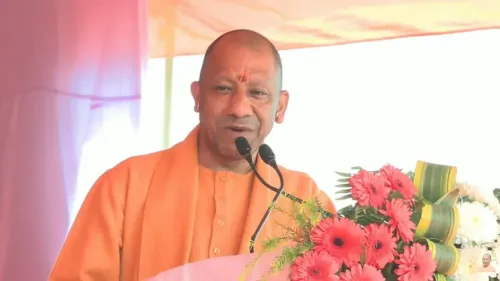
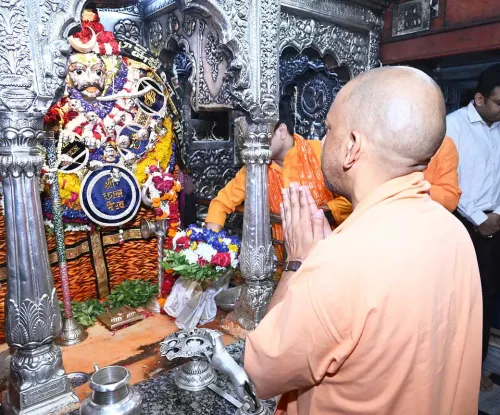
UP Chief Minister Yogi Adityanath on 28 November 2026 said Kashi and Tamil Nadu are two ancient, eternal streams of Indian culture, pointing to Tenkashi — the southern Kashi — as living proof of their bond.
Key Takeaways
On 28 November 2026, Uttar Pradesh Chief Minister Yogi Adityanath said Kashi and Tamil Nadu are two ancient, eternal streams of Indian culture and civilisation.
He cited Tenkashi in Tamil Nadu, meaning the Kashi of the South, as living proof of that intimate relationship.
Kashi is the sacred name of Varanasi, a major Shiva pilgrimage centre; Tenkashi (Tenkasi) is a Tamil Nadu town with a historic Shiva temple traditionally called Kashi's southern counterpart.
The message aligns with the Ek Bharat Shreshtha Bharat initiative launched in 2015 to deepen cultural exchange between states.
The post did not announce a new joint scheme, visit or tourism circuit.
Two sacred geographies. One civilisational claim. On 28 November 2026, Uttar Pradesh Chief Minister Yogi Adityanath described Kashi and Tamil Nadu as two ancient, eternal streams of Indian culture and civilisation, pointing to Tenkashi — the Kashi of the South — as living proof of that intimate bond.
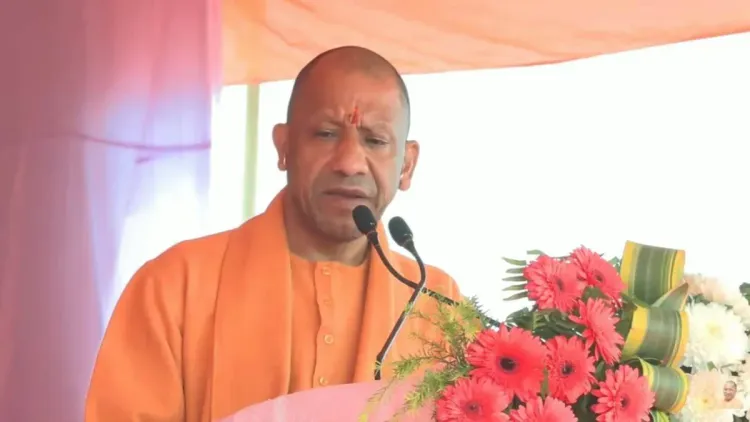
In a post on X accompanied by a video, he wrote that Kashi and Tamil Nadu are two ancient, eternal streams of Indian culture and civilisation. In Tamil Nadu, he said, Tenkashi — meaning the Kashi of the South — is living proof of this intimate relationship.
Tenkashi, the Kashi of the South
Kashi is the sacred name of Varanasi in Uttar Pradesh, one of India's oldest living cities and a primary Hindu pilgrimage centre dedicated to Shiva. Far to the south, the town of Tenkashi (Tenkasi) in Tamil Nadu has long been described in tradition as that shrine's southern counterpart, its historic Shiva temple carrying the same charge for devotees.
Pilgrims have treated the two sites as part of a single sacred map for generations. What the Chief Minister did on Saturday was to put that map into public language: north and south as one culture, not two separate inheritances.
A north-south thread in heritage politics
Statements that bind Kashi to southern temple towns sit inside a larger pattern. The Ek Bharat Shreshtha Bharat initiative, launched in 2015, was designed to push cultural exchange between Indian states. BJP-led governments have repeatedly paired that idea with religious tourism and heritage-site development — circuits that move devotees, and narratives, across regional lines.
For pilgrims, and for the state governments of Uttar Pradesh and Tamil Nadu, the Kashi-Tenkashi link is faith, memory and the promise of footfall. The 28 November 2026 post announced no new scheme, joint visit or tourism circuit. It restated a civilisational claim: Indian culture as one continuum spanning regions.
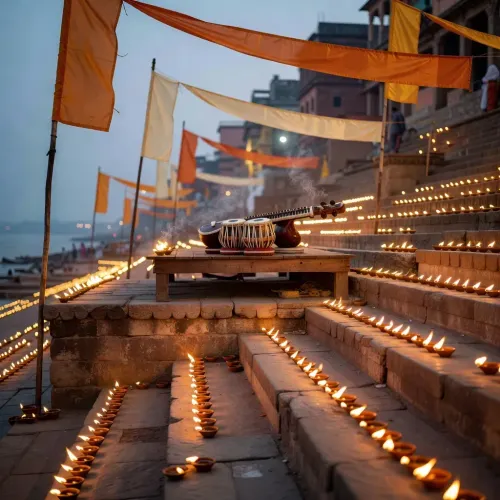
From the Ganga ghats of Varanasi to a Shiva shrine in the far south, the map he drew has no north-south break — only one civilisation, two names for Kashi.
Point of View
Which treat temple towns as both sacred sites and connectors between states. The post names a relationship; it does not fund a circuit. The test is whether Uttar Pradesh and Tamil Nadu follow the symbolism with joint programmes, pilgrim routes or official visits — or whether Kashi and Tenkashi remain a pairing that lives mainly on the timeline.
NationPress
28 Nov 2026
Frequently Asked Questions
What did CM Yogi Adityanath say about Kashi and Tamil Nadu?
On 28 November 2026 he said Kashi and Tamil Nadu are two ancient, eternal streams of Indian culture and civilisation, and that Tenkashi in Tamil Nadu is living proof of their intimate bond. He shared the remarks in a post on X with a video.
What is Tenkashi or Tenkasi?
Tenkashi, commonly spelled Tenkasi, is a town in Tamil Nadu whose historic Shiva temple is traditionally described as the southern counterpart to Kashi in Varanasi. Yogi Adityanath cited it as living proof of the Kashi-Tamil Nadu cultural link.
Why is Tenkasi called the Kashi of the South?
In Hindu pilgrimage tradition the town's Shiva shrine has been treated as a southern equivalent of Kashi, which is why it is known as Tenkashi, meaning the Kashi of the South. The pairing presents the two sites as part of one sacred map.
What is the Ek Bharat Shreshtha Bharat initiative?
Launched in 2015, it is a Union government programme meant to encourage cultural exchanges and mutual understanding between Indian states. North-south heritage messaging of the kind in this post sits in that lineage.
Did Yogi Adityanath announce a new Kashi-Tamil Nadu project?
No. The 28 November 2026 post restated a civilisational link between Kashi and Tenkashi and did not announce a scheme, circuit or official visit.